A bit of stress is a normal part of our daily lives, which can even begood for us.
Overcoming stressful events canmake us more resilient.
Repeated stress is a major trigger for persistent inflammation in the body.
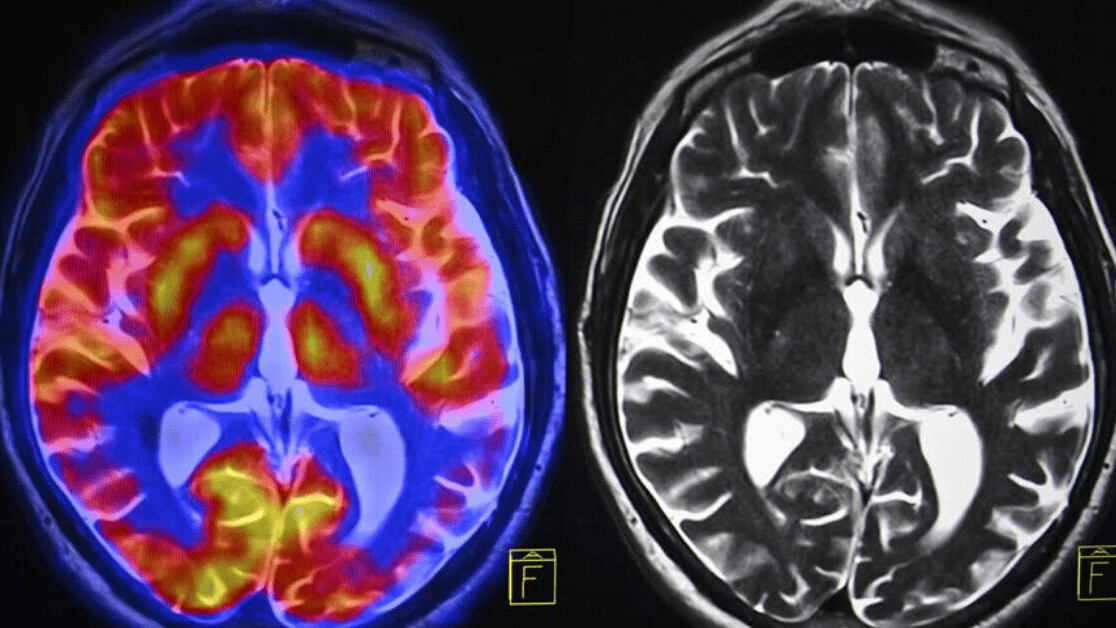
Chronic inflammation can lead to a range of health problems,including diabetes and heart disease.
The brain is normally protected from circulating molecules by a blood-brain barrier.
But under repeated stress, this barrier becomes leaky and circulating inflammatory proteinscan get into the brain.

Studies in humans have shown that inflammation canadversely affect brain systemslinked to motivation and mental agility.
High, prolonged levels of cortisolhave been associatedwith mood disorders as well as shrinkage of the hippocampus.
It can also cause many physicalproblems, including irregular menstrual cycles.

40% off TNW Conference!
There are many reasons for this, and they can be linked to changes in the brain.
Chronic stress ultimately also changes the chemicals in the brain which modulate cognition and mood,including serotonin.
Serotonin is important for mood regulation and wellbeing.
Sleep and circadian rhythm disruption is a common feature in many psychiatric disorders, including depression and anxiety.
Stress hormones, such as cortisol, play a key modulatory role in sleep.
Elevated cortisol levels can therefore interfere with our sleep.
The restoration of sleep patterns and circadian rhythms may thereforeprovide a treatmentapproach for these conditions.
Depression can have huge consequences.
Stress can alsointerfere with our balancebetween rational thinking and emotions.
This is because stress may force the brain to switch to a habit system.
Such activation has been associated with hoarding behavior.
Eventually, these fears essentially override the brains usual ability for cold, rational decision-making.
Overcoming stress
So what should you do if you are suffering from chronic stress?
Luckily there are ways to tackle it.
The UK Government Foresight Project on Mental Capital and Wellbeing has recommendedevidenced-based ways to mental wellbeing.
We know, for example, that exercise has established benefits against chronic stress.
Exercise tackles inflammation byleading to an anti-inflammatory response.
In addition, exerciseincreases neurogenesis the production of new brain cells in important areas, such as the hippocampus.
It also improves your mood, your cognition and your physical health.
Learning may be a less obvious method.
Importantly, when you experience chronic stress, do not wait and let things get the better of you.
Early detection and early effective treatment is the key to a good outcome and good wellbeing.
Remember to act in a holistic manner to improve your mood, your thinking and your physical health.
And you dont have to wait until you are overwhelmed with stress.
