Dark patterns, on the other hand, are not mistakes.
Theyre carefully crafted with a solid understanding of human psychology, that benefit the business, not users.
The difference between bad UX & dark UX
So what exactly is dark UX?
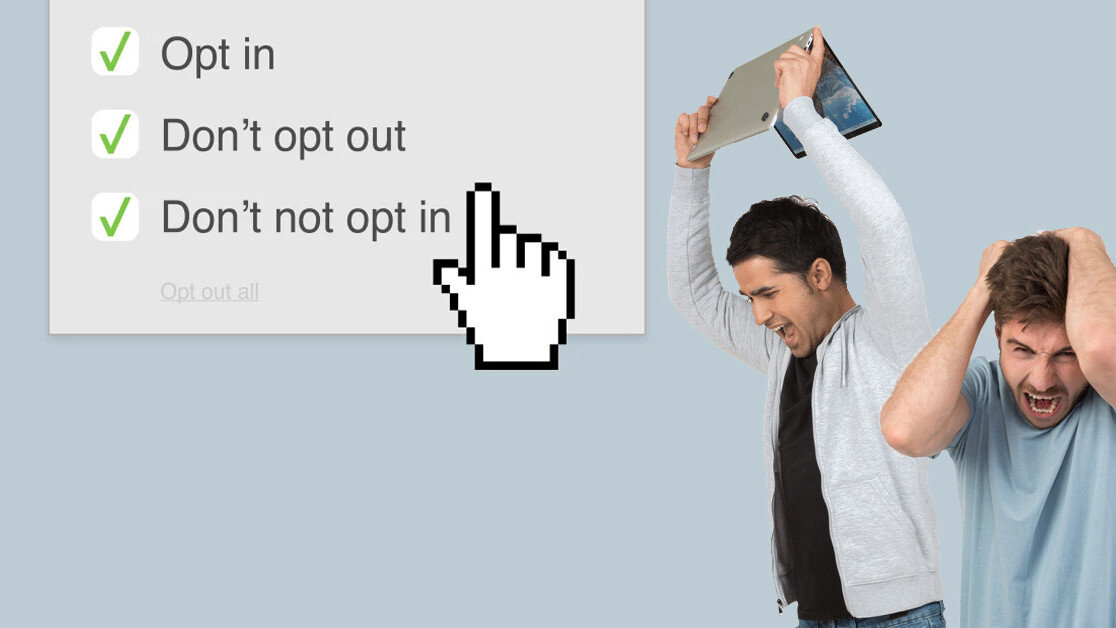
First of all, its important to understand the difference between bad UX and dark UX.
Dark patterns are not all poor design by mere negligence.
They are intended to persuade and dissuade customers in ways that benefit the brand rather than the user.

Unlike accidentally bad UX, dark UX is a deliberate design tactic.
Its quite the opposite of what product designers should strive to do, which is creating transparent,user-centereddesigns.
You probably just found a dark pattern.

They skim read and make assumptions.
As a result, they miss that theyre being taken advantage of.
If you take the heuristics and invert them, you are joining the dark side of UX.

Lets look at a few examples and make a run at learn what this all means.
Forced Continuity
This pattern can be found on many ofsubscription-basedservices that offer a free trial.
When users sign up for a free trial, they are asked to enter their credit card details.

When the trial ends, users start automatically getting charged if they dont remember to opt-out.
Thats exactly the idea.
Microsoft employed this trick back when it was pushing Windows 10 hard.
At one point they offered two buttons: upgrade now or upgrade tonight.
Say you dont want to install Windows 10; which button do you press?
A lot of people ended up accidentally installing Windows 10 after this one.
Roach Motel
This design pattern is named after the Roach Motel cockroaches trap.
The opt-out suddenly asks for some security questions, an old password nobody remembers, etc.
For example, have you ever tried to close your Amazon account?
The following video demonstrates the difficult process that needs to be undertaken to do so.
Most users wouldnt be able to cancel their accounts without help.
Easy to get in, very hard to get out…
4.
Keep your eyes peeled.
This article was originally published onPrototypr.ioby Tania Vieira,a user experience designer based in Lisbon.
Vieira is a problem solver uniting different disciplines like design, business, and technology.
Read the original articlehere.
