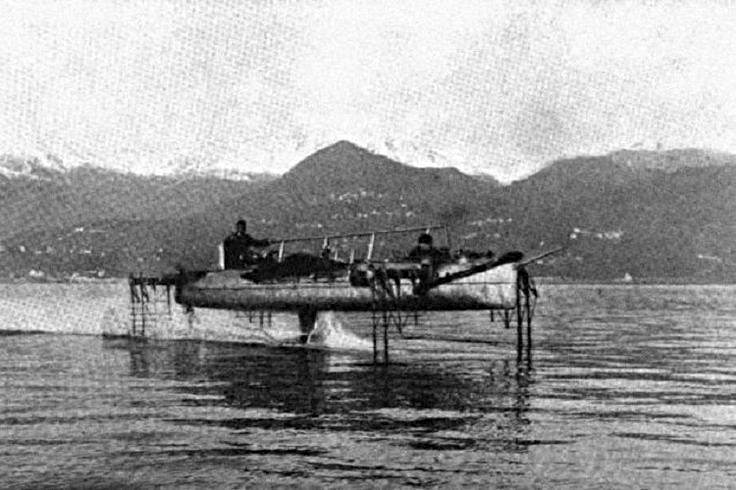
In 1906, inventor Enrico Forlanini launched the first hydrofoil boat onLake Maggiorein the Italian alps.
People thought he was crazy hes gone on to prove them wrong.
Now, its looking to branch out from recreational boating into a much bigger market: public transportation.
It’s free, every week, in your inbox.
But how exactly did this startup manage to take such an ambitious idea and bring it to life?
We went to Stockholm to find out.
Humble beginnings
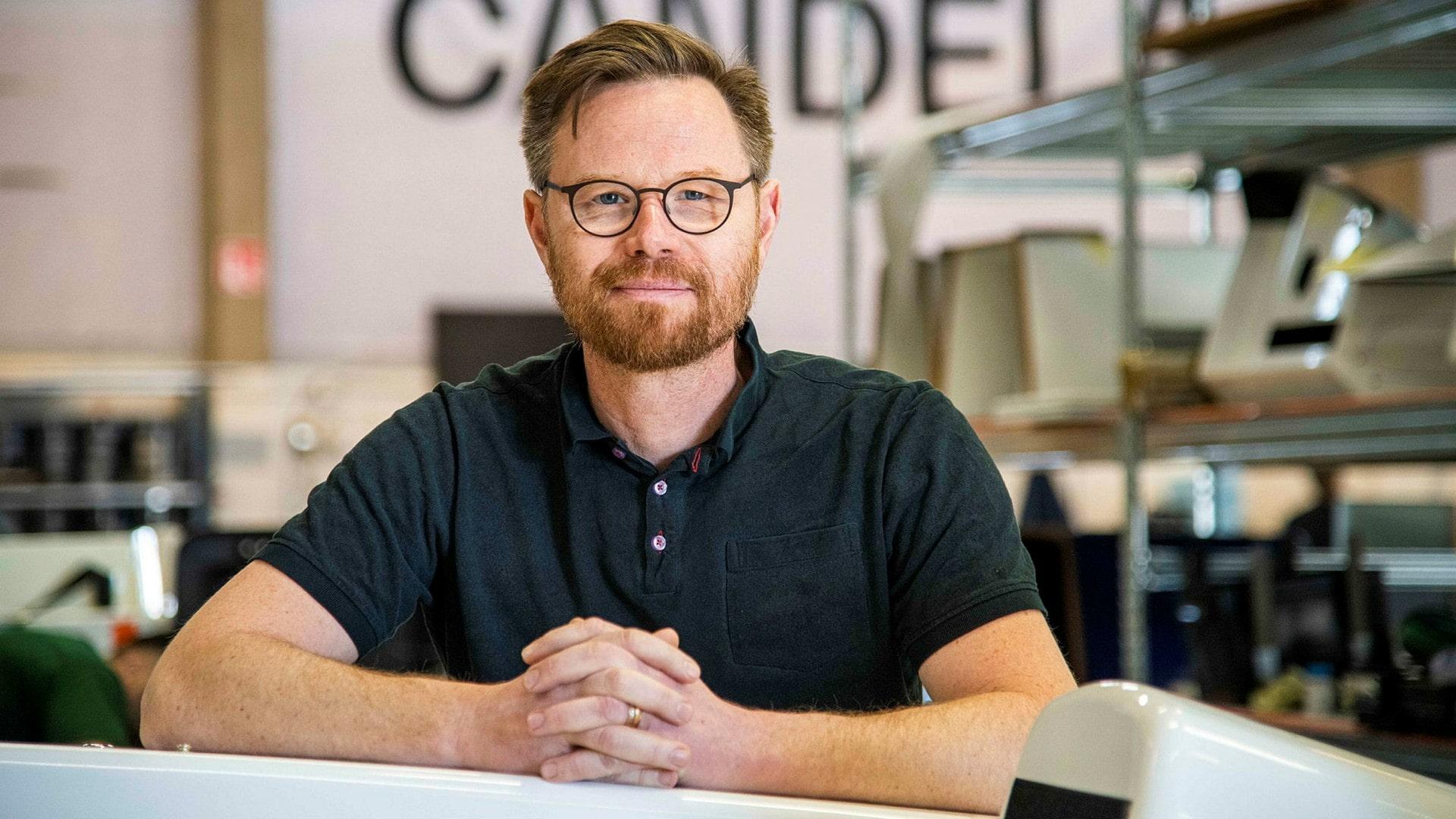
The idea for Candela first came to Hasselskog aboard his Bertram 25 Sportfisherman.
The problem was and continues to be a major hurdle to electric transportation today that batteries arent particularly energy-dense.
For the equivalent energy capacity of one litre of petrol, you need around 15 kilograms of batteries.

This is where hydrofoils come in.
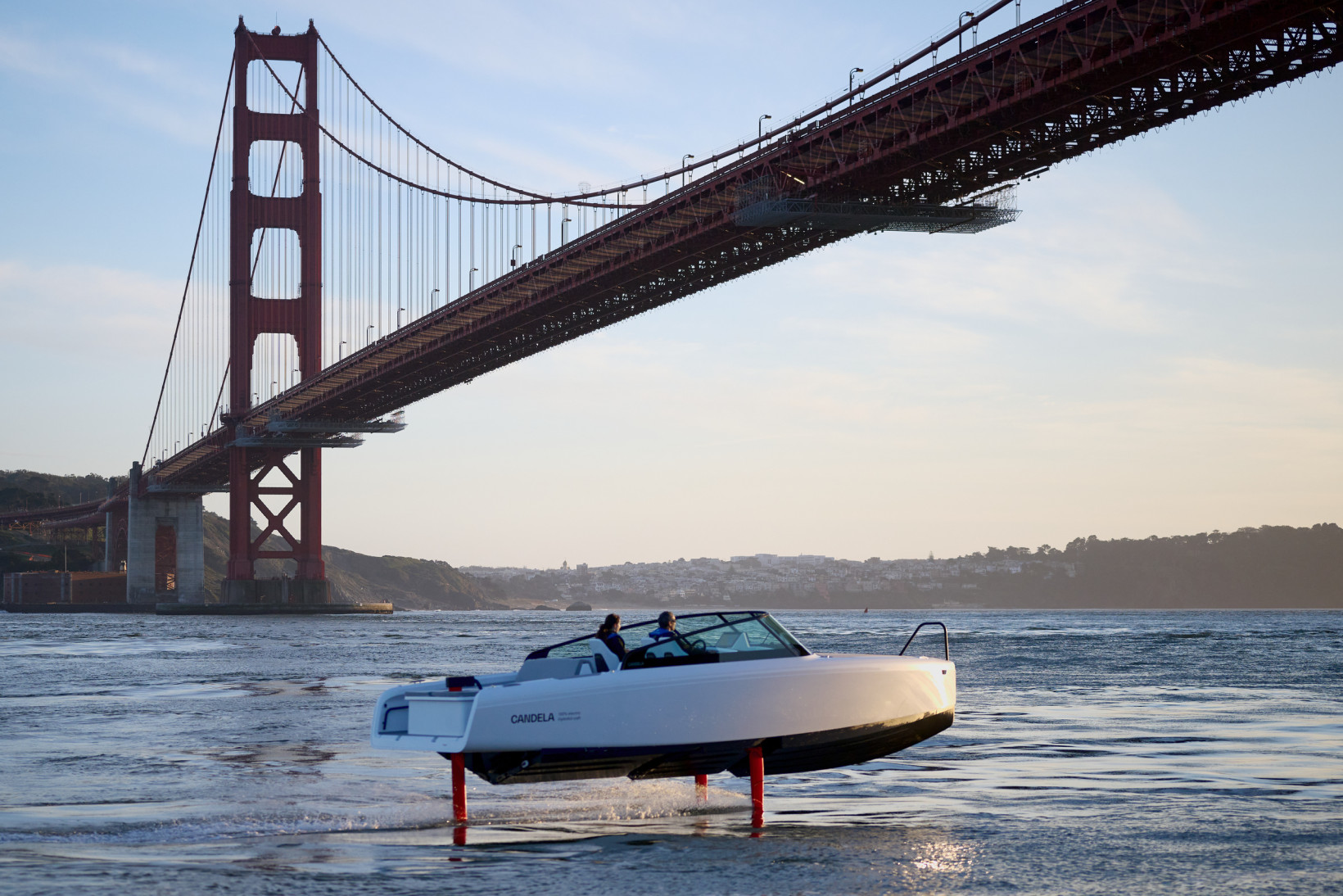
This reduces drag and allows the boat to travel faster.
It also makes the craft more energy efficient.
He calculated that hydrofoils could reduce the energy consumption of a boat by up to 80%.
That meant more range using less batteries, cutting costs and carbon emissions.
That was the aha moment when I thought this could actually work, he says.
Making the pitch
Like many tech companies, Candela began working out of a garage.
We had to start small, be nimble, recalls Hasselskog.
In his first attempt to raise money, the founder contacted over 90 VCs.
He secured just two meetings.
Those two investors eventually erred on the side of caution and said no thanks.
Eventually he managed to convince one crazy angel investor to take the leap.
I had enormous luck, he says.
With the cash he hired three people and started developing the first prototype.
Two years later, Candela got its first boat to fly.
Two years after that, in 2019, they sold their first craft the C-7.
That was the watershed moment.
We proved that this could be done, says Hasselskog.
At the time Hasselskog was an avid follower of Andersons podcast, TED Interview.
Anderson ended up investing8mnto fuel Candelas next stage of growth.
That included building a bigger, better leisure boat, the C-8.
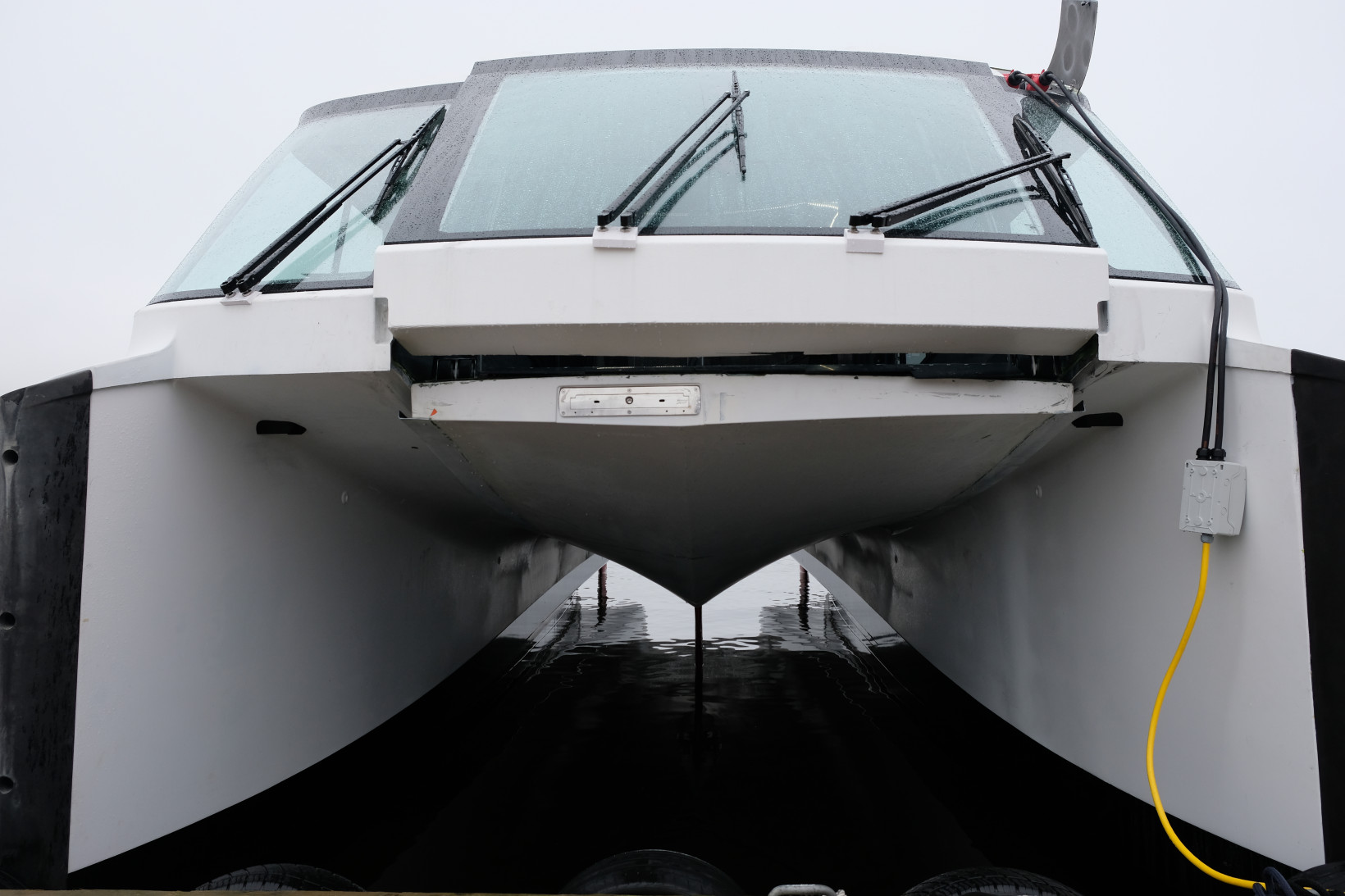
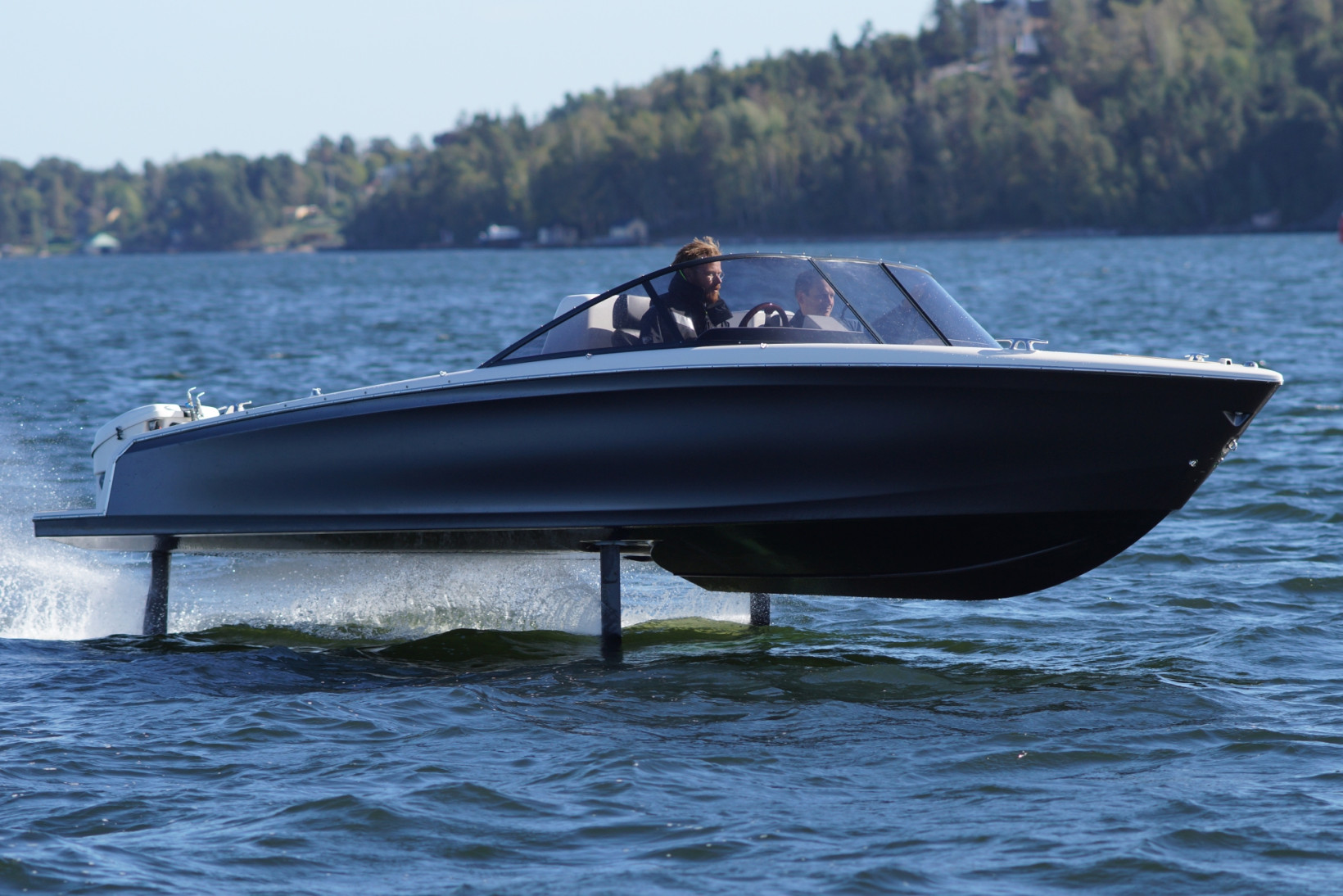
I had the chance to test the C-8 in Stockholm last month and its surprisingly easy to drive.
You just hit the throttle and at around 16 knots, the hull automatically lifts out of the water.
Once airborne its incredibly quiet, theres almost no wake.
Handling is no different from a normal boat.
This balances the boat even during sharp turns and choppy seas.
To have a real impact, I knew we had to branch out into public transportation, says Hasselskog.
The e-taxi of the sea?
There are currently around 35 diesel ferries slowly chugging their way around Stockholms waterways.
Globally, shippingemits 3%of global carbon dioxide, more than air travel.

In the EU, passenger ferries are responsible for 7% of that total so urgent solutions are needed.
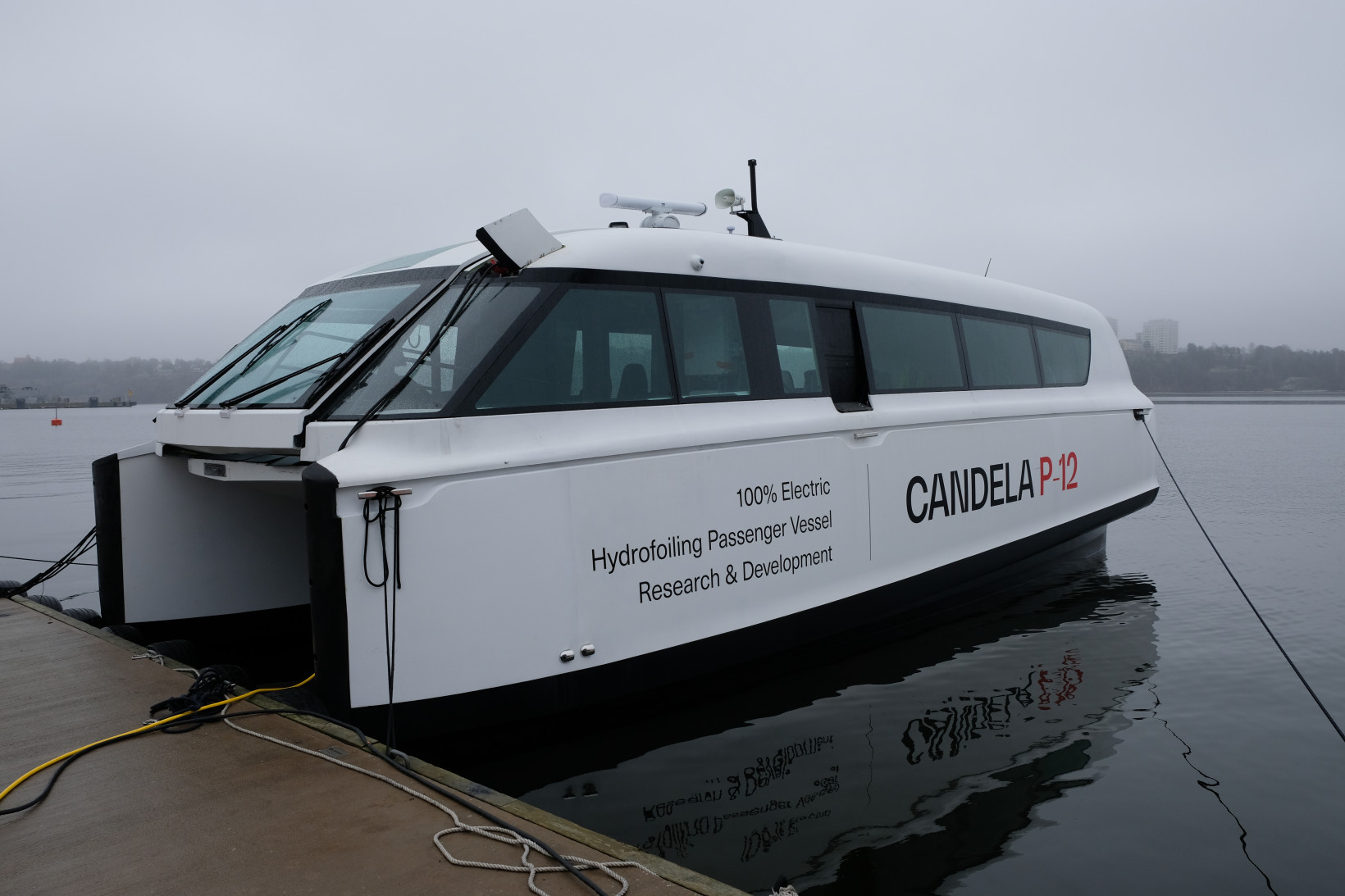
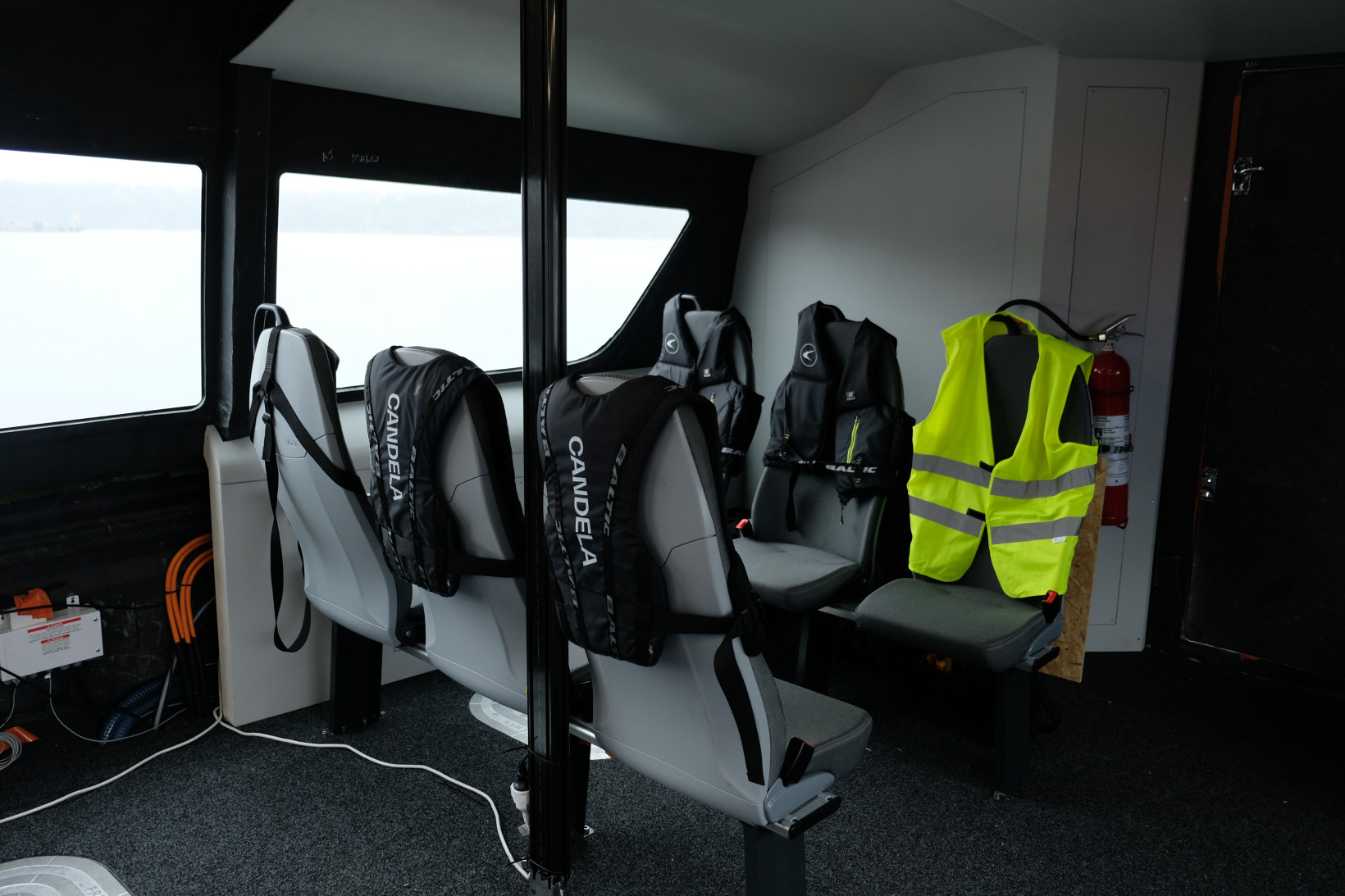
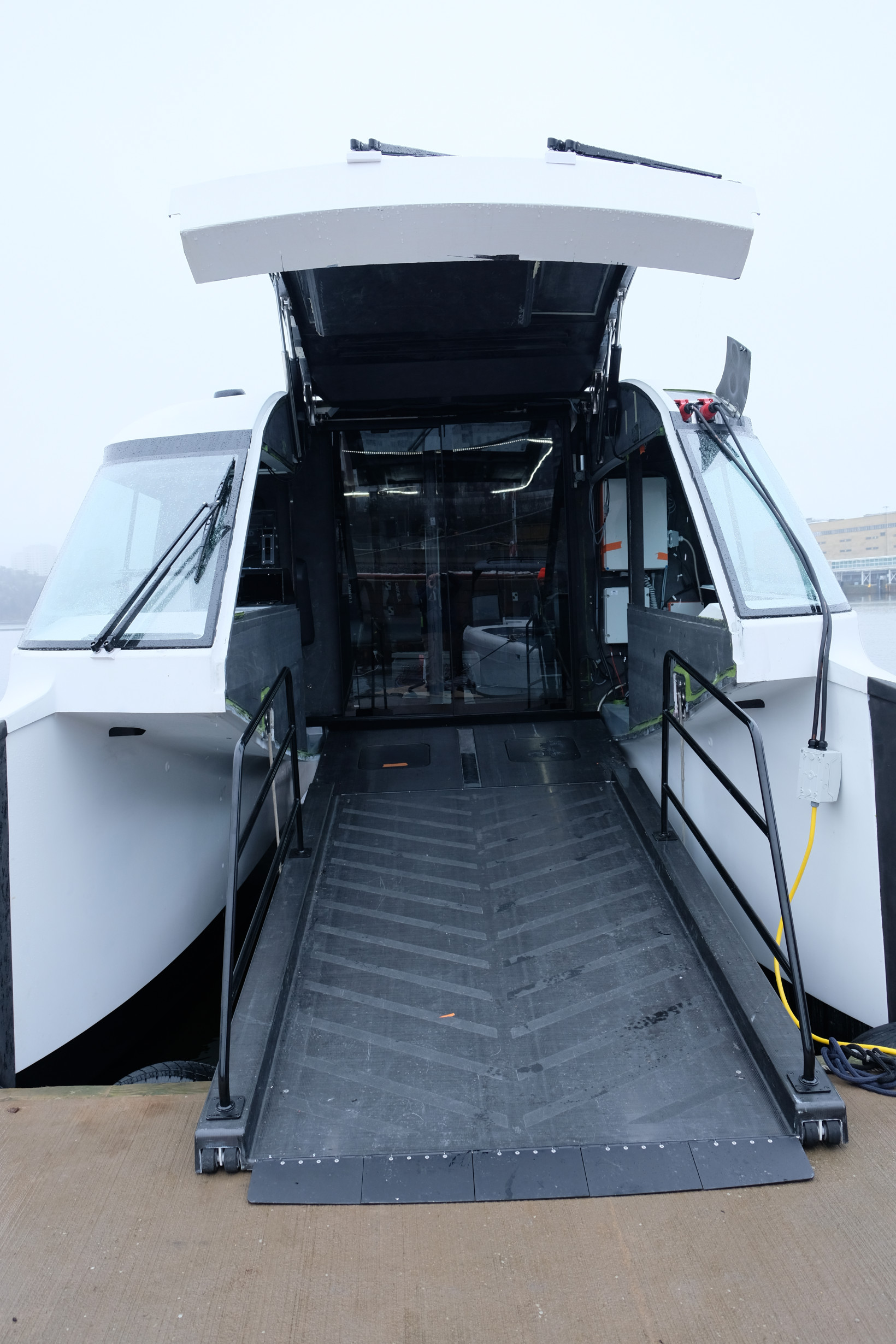
Candela estimates a fleet of 120 of its 30-passenger shuttles could replace the citys diesel ferries entirely.
At $1.7mn (1.5mn) a piece, thats a big investment, butHasselskogis bullish on the returns.
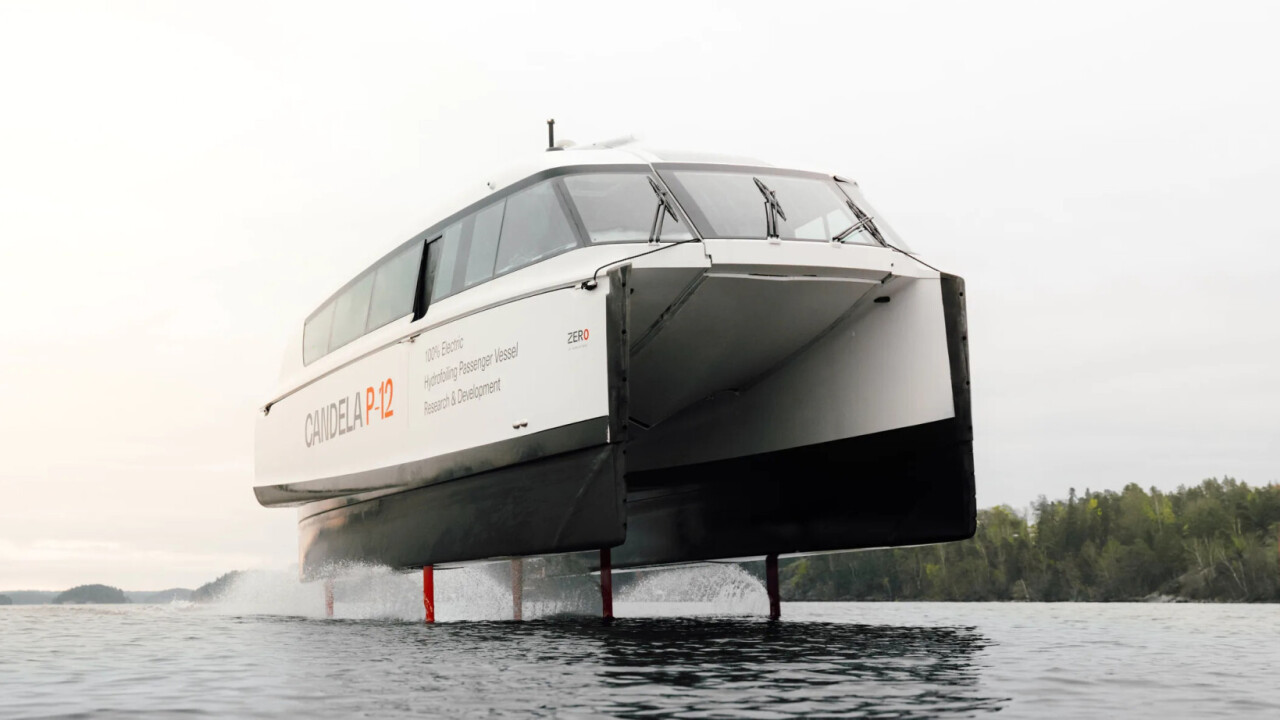
The Candela P-12 Shuttle will cover the 15km route in 25 minutes saving commuters 50 minutes a day.
(Itslack of wake has allowed it to gain an exemption from Stockholms 12-knot river speed limit).
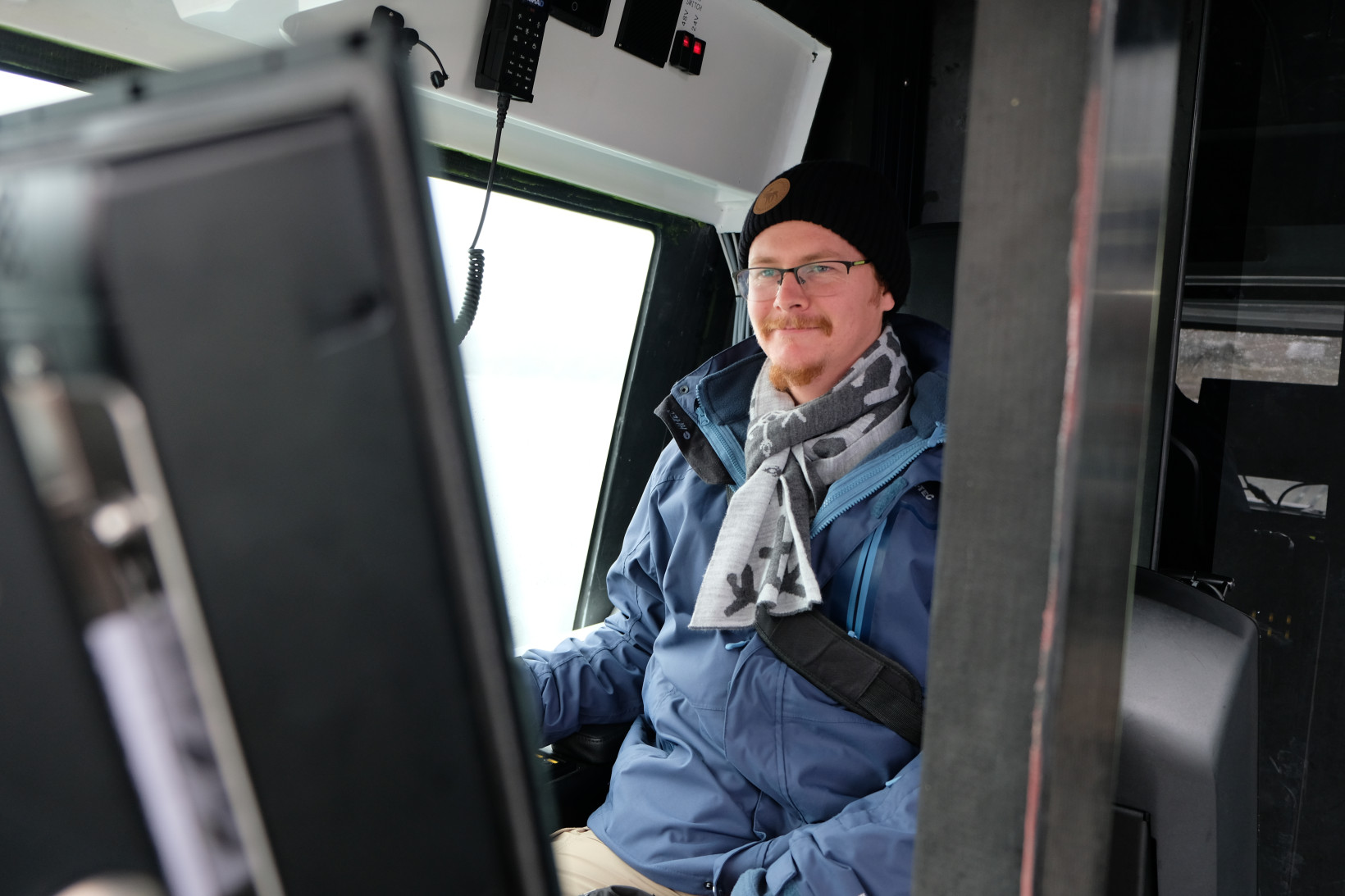
By only carrying 30 passengers, the shuttle just needs one personnel on board, as per regulations.
A 90% reduction in fuel adds to the cost savings.
All-in-all,Hasselskog estimates that operators will save 50% on operating costs when compared to traditional vessels.
Hasselskogenvisions that Candela boats will eventually be used for on-demand service akin to an Uber for boats.
No need for timetables, commuters could instead make as many trips as they like, when they like.
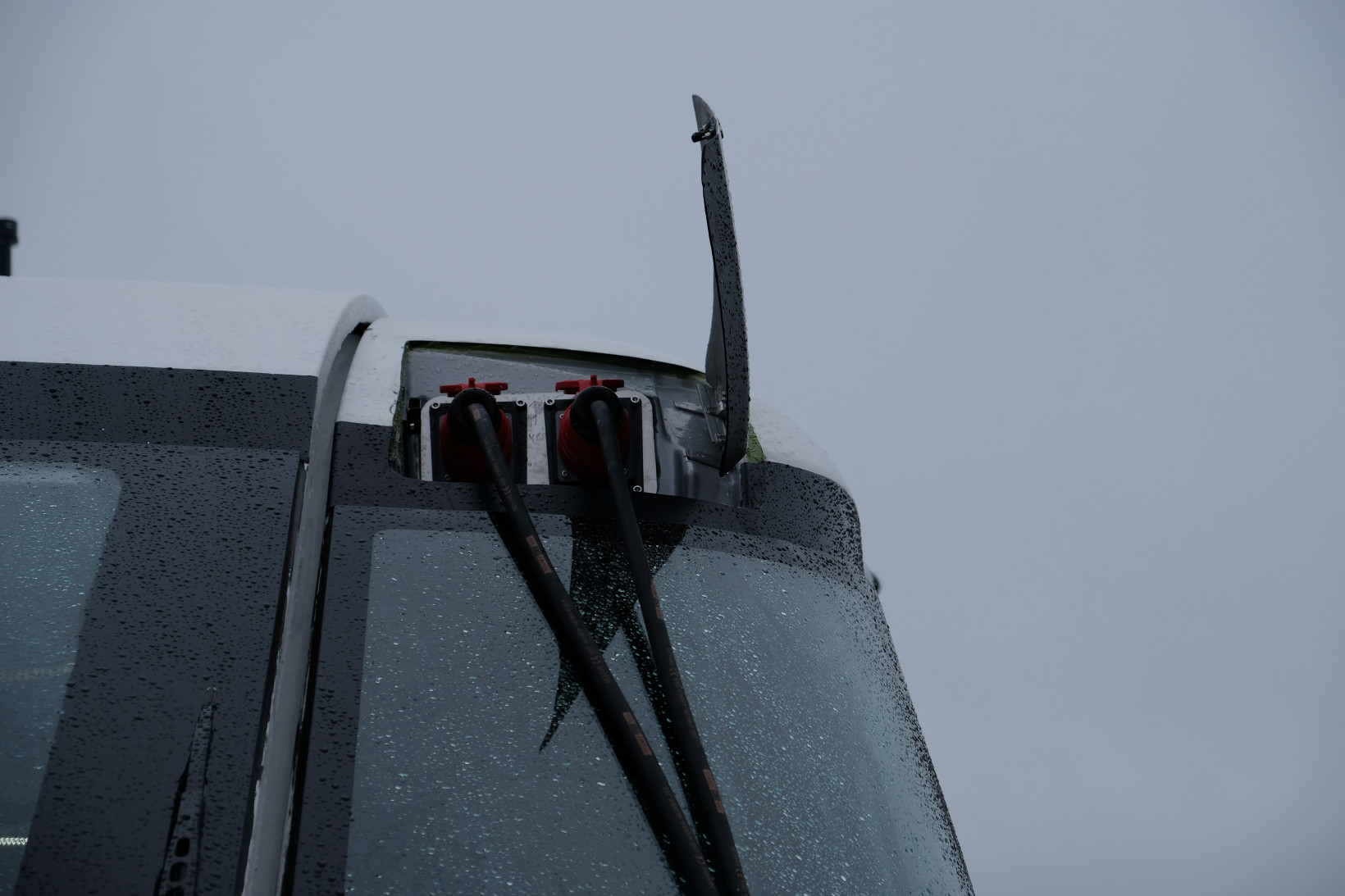
Each ferry would operate non-stop for two and a half hours and then stop for an hour to charge.
Full throttle
In addition to city commuting, Candela eyes inter-city and even international travel.
The trip took just 30 minutes and cost 3 in electricity, says the company.
Now all weve got to do is ramp up production fast, saysHasselskog.
Candela is currently recruiting 11 new people at its factory every month as it rushes to fill orders.
Powered by a fresh batch of funding, its sights are set on its biggest phase of growth yet.
For him, the fight to keep pushing against all odds is now baked into the companys DNA.
Story bySion Geschwindt
Sion is a freelance science and technology reporter, specialising in climate and energy.
