Im currently training to become Australias first woman astronaut.
I expect to fly my first suborbital mission sometime in 2023 as a payload specialist on a commercial mission.
Once were up there, my team and I expect to conduct research on Earths atmosphere.
Its an opportunity I consider out of this world.
But it has taken a lot of effort for this dream to be realized.
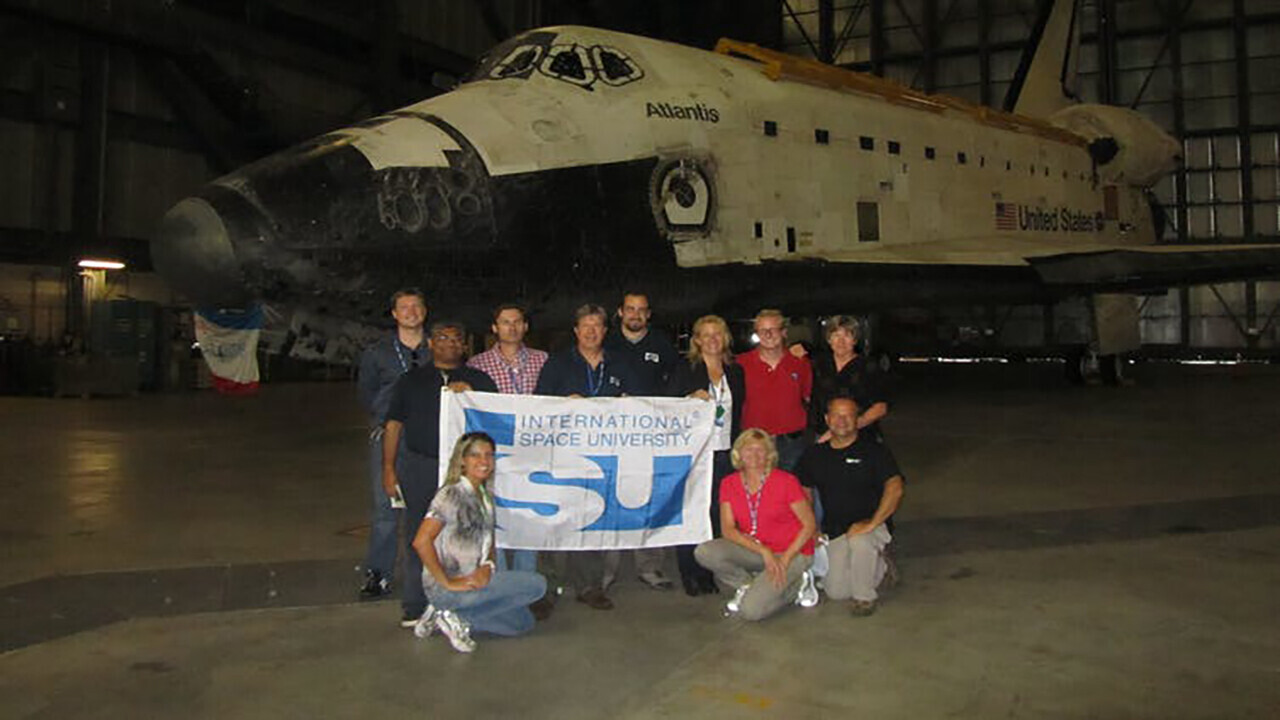
After combining my science degree with two law degrees, I won a scholarship for the International Space University.
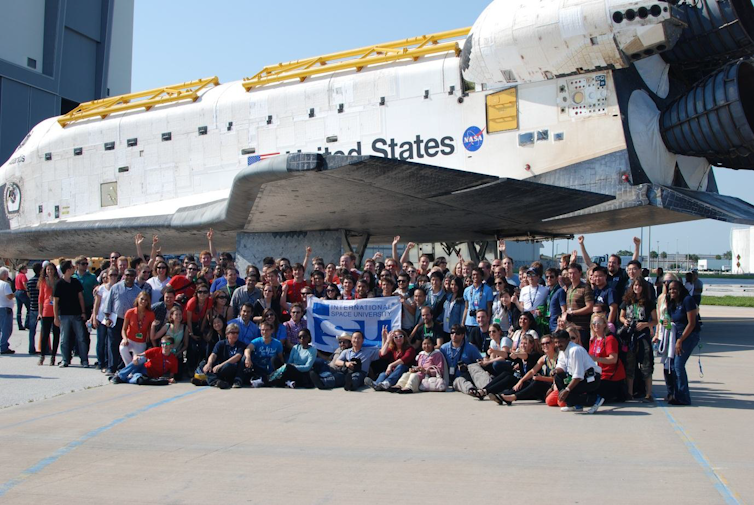
I eventually received an Australian Government Endeavour Executive Award for a project at the NASA Kennedy Space Centre.
With this, I pivoted towards a career in the space industry, and have never looked back.
It’s free, every week, in your inbox.

The program uses next-generation suborbital spacecraft to study the upper atmosphere and its potential role in global climate change.
This was an incredible achievement, which many have said could mark the beginning of commercial space tourism.
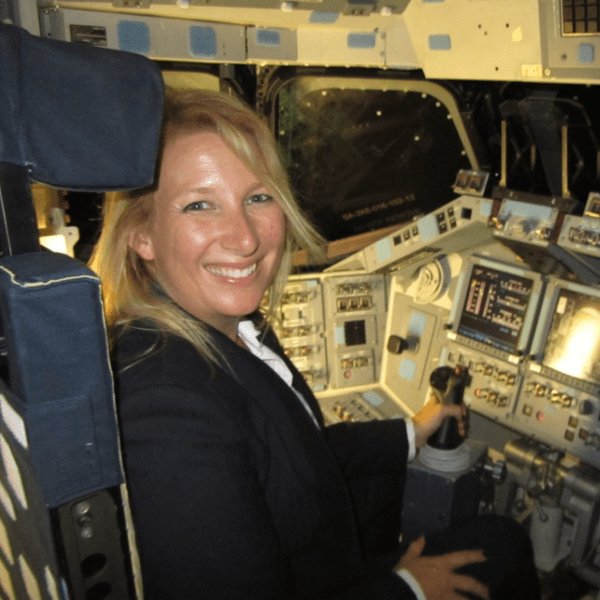
My flight training later this year will involve spending days with former NASA astronaut instructors and PoSSUM team scientists.
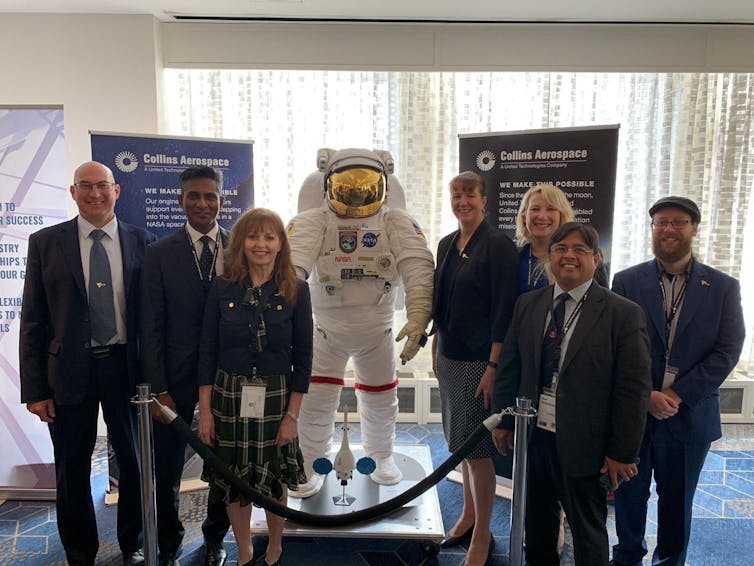
Well learn how to operate a series of instruments to measure physical atmospheric properties.
The famous orange suits are a life-support system for astronauts.
Well need to learn how to manage unexpected events such as decompression, too.
This is when the pressure inside a spacecraft or spacesuit is reduced by a leak.
If pressure becomes too low, breathing oxygen can be forced out of the suit.
We must be prepared in case one of the electrical or physical systems fails, causing a hazardous environment.
Nobody likes to imagine things going wrong, but planning for emergencies is necessary.
Launching aboard a spacecraft subjects the human body to a variety of forces.
Learning to identify and manage changes resulting from these forces is critical.
The final test will be a series of parabolic flights simulating microgravity aboard a different aircraft.
This is repeated 20-25 times during the flight to demonstrate weightlessness in space.
Experiments are conducted during weightlessness.
The last day of training will involve using virtual and augmented reality to practice planning space missions.
Well be able to work on any aspect of the training we feel is needed before our final evaluation.
Why do research in space anyway?
But whats the big deal when it comes to research in space?
Well, for one, spaceflight allows researchers to observe how materials behave in the absence of gravity.
Studying how materials behave in weightless environments has proven immensely useful for scientists.
Doing research on the ISS is expensive, slow and subject to long wait times.
Australian companies can benefit from research opportunities offered by suborbital flights in the USA.
It means small companies that couldnt previously afford spaceflight can now get in the game.
