After stepping out of the tub, he gave his foot a shake to get the water off.
But his foot wouldnt move.
Peter was diagnosed with motor neurone disease (MND), the same incurable illness that killed Stephen Hawking.
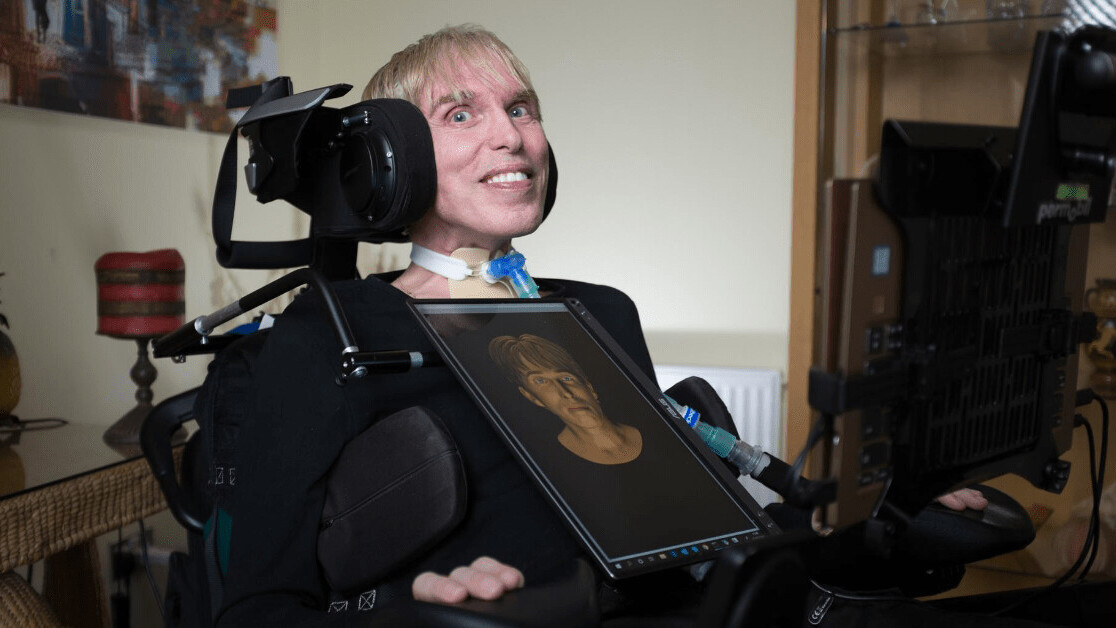
But Peter had a plan to beat the prognosis.
He was going to become a cyborg.
Peter had a headstart in his race against the illness.
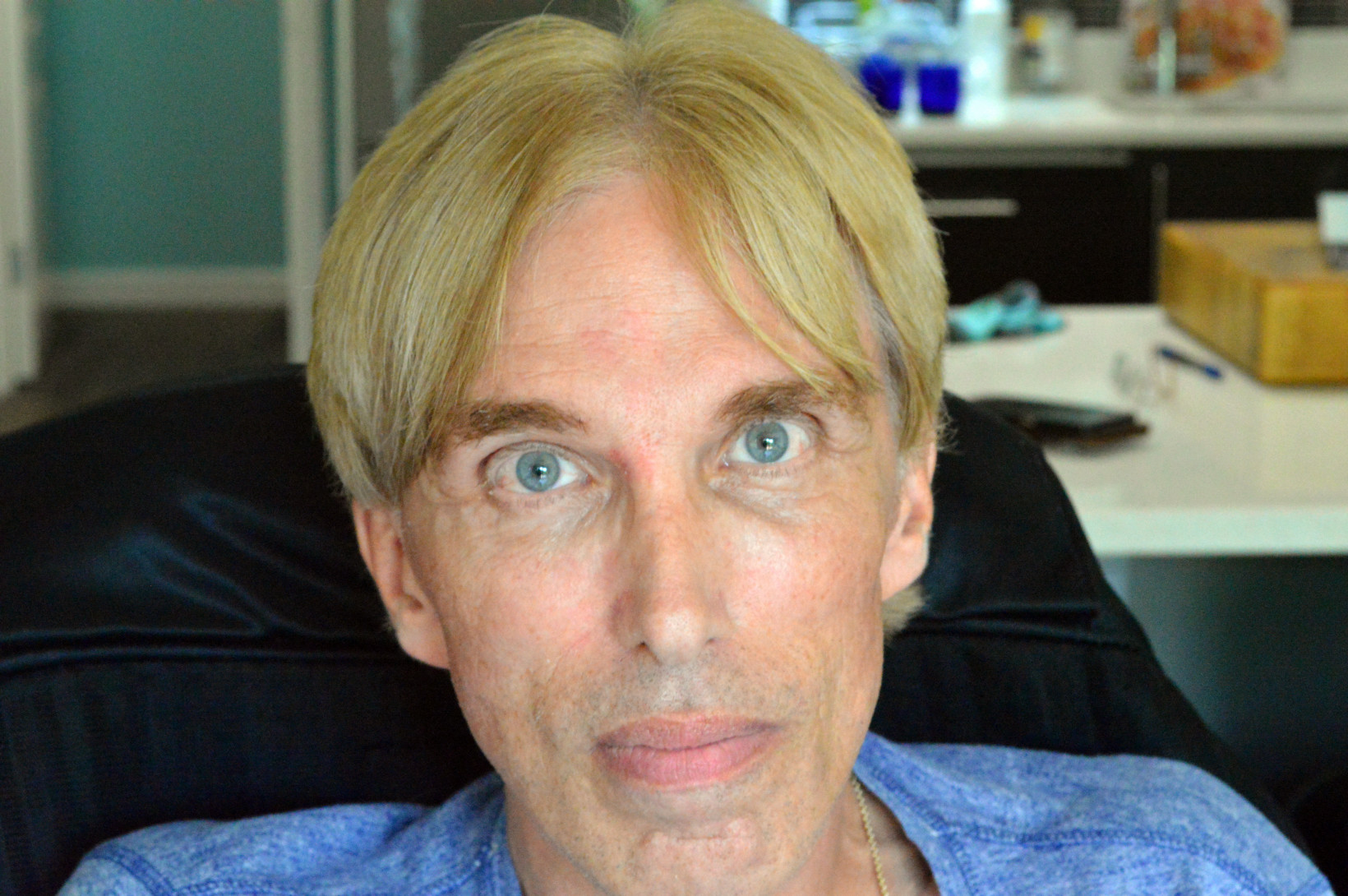
Hed also written a book titledThe Robotics Revolution.
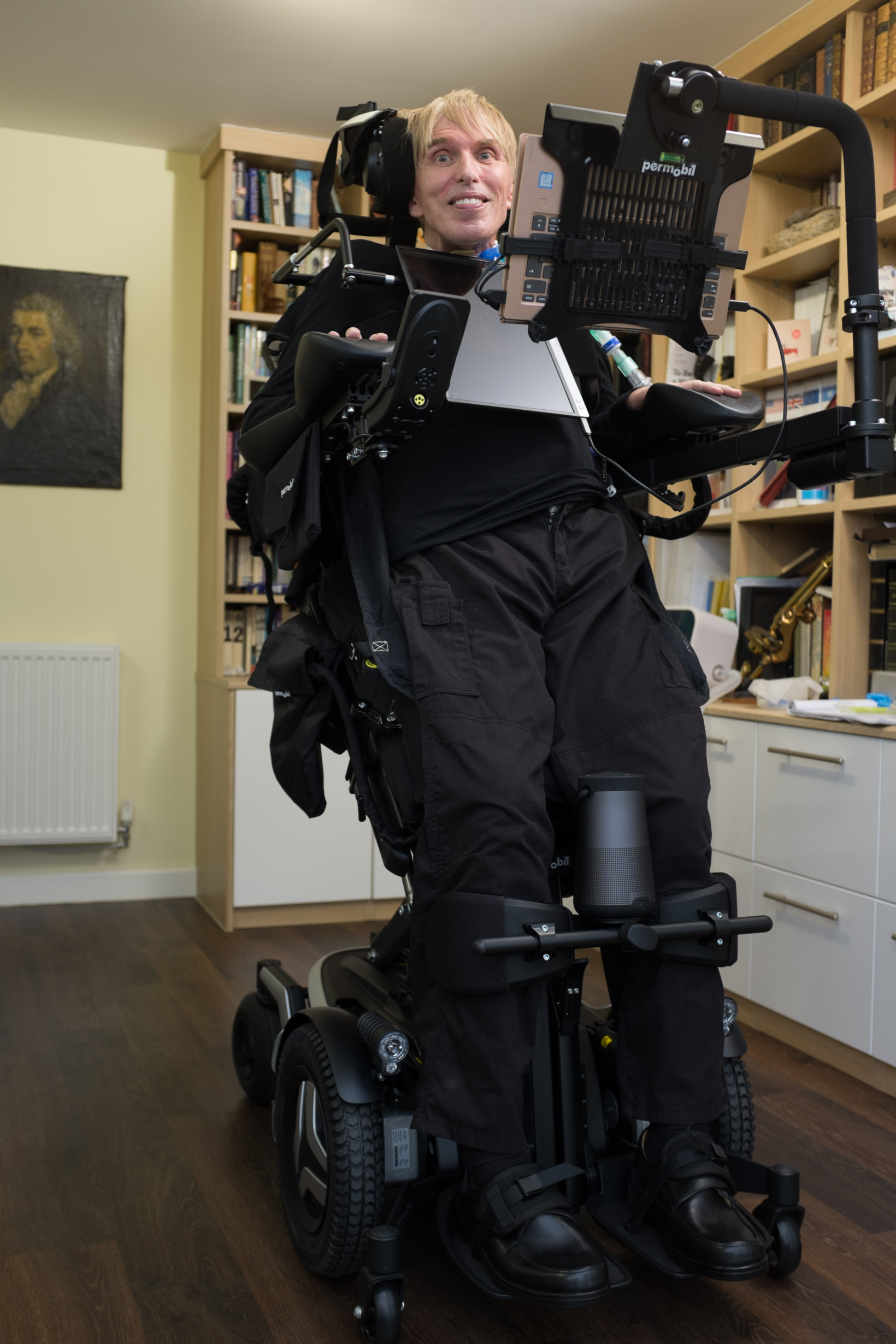
Hed escape starvation by piping nutrients into his stomach, and avoid suffocation by breathing through a tube.
He also needed a new voice.
Computing communication
In early 2019, Peter gave a speech at a conference in London.
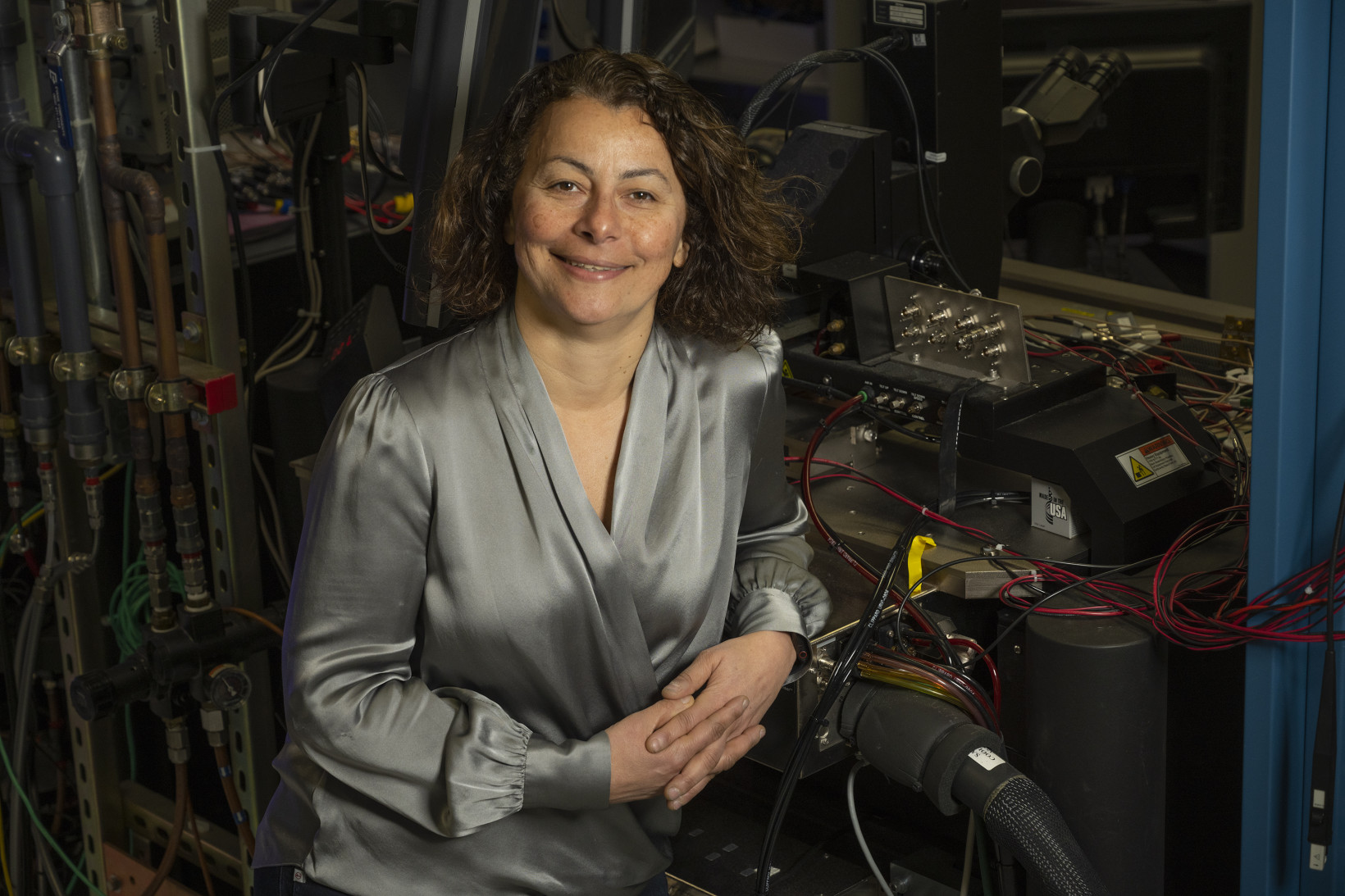
Among the listeners was Lama Nachman, the head of Intels Anticipatory Computing Lab.
Lama had her own experience with MND.
Her team had upgraded the communication system that powered Stephen Hawkings iconic computerized voice.
Intel named the software the Assistive Context-Aware Toolbox (ACAT).
But Lama initially didnt want to adapt ACAT to Peters needs.
But Peter still needed a new voice.
Dr Matthew Aylett, a world-renowned expert on speech synthesis, thought he could help.
He recorded Peter saying thousands of words, which he would use to create a replica voice.
Peter would then use his eye movements to control an avatar that spoke in his own voice.
Aylett had limited time to work.
Peter would soon need a laryngectomy that would allow him to breathe through a tube emerging above his chest.
But the operation would mean he could never speak again.
Three months before Peter was due to have surgery, the clone was ready.
THIS IS MY LAST POST as Peter 1.0.
Im not dying, Im transforming!
Oh, how I LOVE Science!!
!pic.twitter.com/xCO17ph0lp
Dr Peter B Scott-Morgan (@DrScottMorgan)October 9, 2019
The operation was a success.
But Peter would remain mute until his communication system was ready.
The system soon arrived.
It came witha keyboard hed control by looking at an interface, and an avatar synchronized with his speech.
Peter 2.0 was ready to go.
Upgrading the cyborg
There was another big difference between Peter and Hawkings visions for their systems.
WhileHawking wanted to retain control over the AI, Peter was more concerned about the speed of communication.
Ideally, Peter would choose exactly what the system said.
But the more control the AI is given, the more it can help.
But if theyre limited in what they can do, youre really not giving them the control.
One solution is training the AI to understand what Peter desires at any given moment.
The system could make Peter even more of a cyborg which is exactly what he wants.
So you like our media brand Neural?
Story byThomas Macaulay
Thomas is the managing editor of TNW.
He leads our coverage of European tech and oversees our talented team of writers.
Away from work, he e(show all)Thomas is the managing editor of TNW.
He leads our coverage of European tech and oversees our talented team of writers.
Away from work, he enjoys playing chess (badly) and the guitar (even worse).
