Regional populations also show differing physical characteristics, due to climate and lifestyle.
We are now generally shorter, lighter and smaller boned than our ancestors were 100,000 years ago.
The decrease has been gradual but has been most noticeable in the last 10,000 years.
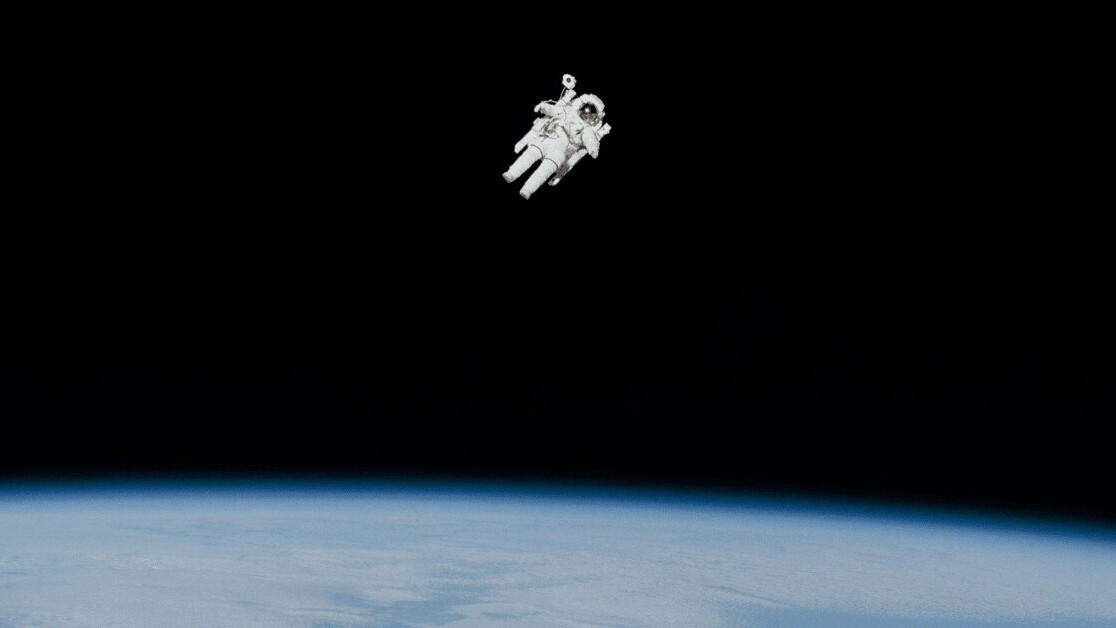
DNA studies have shown that ourgenetic traitshave changed since humans first walked the Earth.
Our physical characteristics are determined by our genetics, but can be influenced by the environment.
During the evolutionary process, the characteristics that are more adapted to that particular environment will be selected.
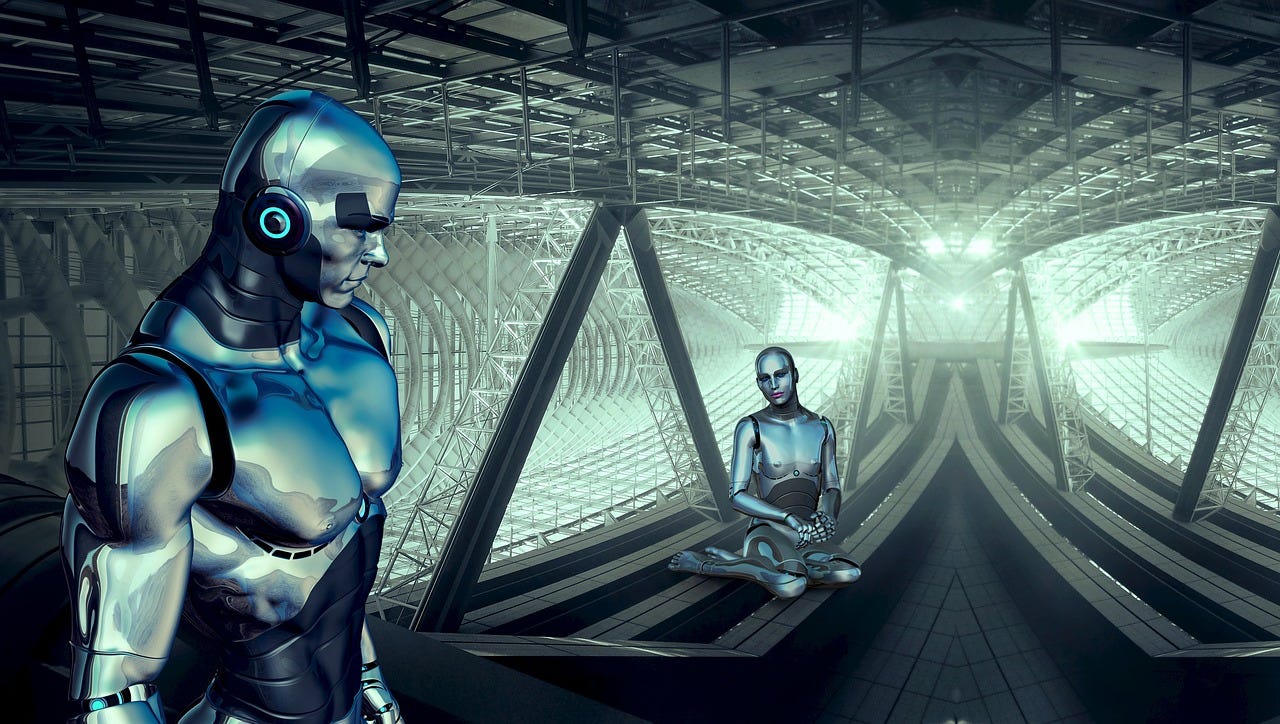
I evolve best under pressure
How will this affect human evolution in a completely unknown environment?
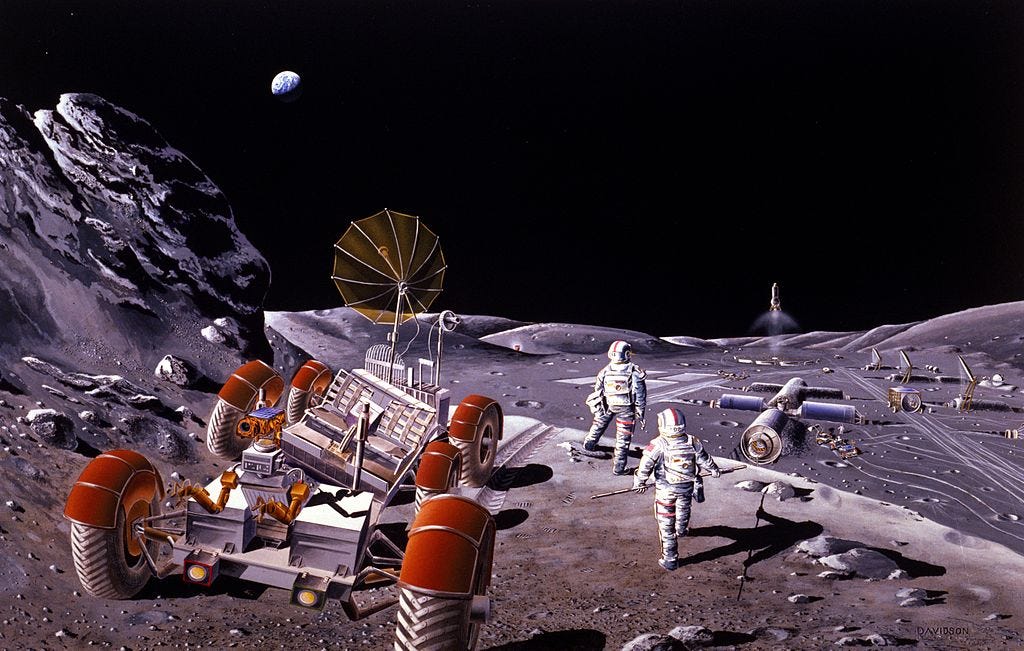
What would happen when humans decide to leave the Earth and explore differentplanets?
The time scale for evolutionary or genetic change is very long.
A characteristic period for the emergence of one advanced species from another is perhaps a hundred thousand years…
But today we do not have ten million years to wait for the next advance.
We live in a time when our world is changing at an unprecedented rate.
While the changes are largely of our own making, they cannot be ignored.
We must adjust and adapt and control, or we perish.
No change is more dramatic than moving to another planet, right?
First, we will have to adapt or develop solutions to well-known problems humans face during space travel.
After a few months in space, astronauts suffer physiological changes due to radiation andthe effects of microgravity.
Perhaps, future humans might evolve thicker bones to overcome this challenge.
The NASA video below shows a look at how space travel affects the human immune system.
This can give us an idea of which systems would shape the evolution of our species.
Another possibility for future human evolution might be adaptations to the lower oxygen levels usually seen at high altitudes.
People who live in high altitudes develop more red blood cells, transporting oxygen more efficiently.
Isolation from terrestrial germs could result inMartian colonistslosing the ability to fight off common diseases.
Our eyes are accustomed to a certain amount of light on Earth.
Nathalie Cabrol, a planetary scientist at the SETI Institute.
We also have to consider the founder effect.
Probably, only a few humans will be able to start these new civilizations on a foreign planet.
Imagine that one of them has a gene for a specific trait or a disease.
This occurs withsmall populations that live in isolation, highlighting the importance of genetic variability.
Given enough time, the human race might even splinter into more than one species.
This happens routinely to animals and plants isolated on islands think of Darwins finches.
Who would make those decisions, and which characteristics would be selected for or against while colonizing space?
All of these possibilities must be considered as we ponderlife beyond the Earth.
Astronomy News with The Cosmic Companionis also available as a weekly podcast, carried on all major podcast providers.
