But I had some questions.
Dont you still need cows to cultivate the cells?
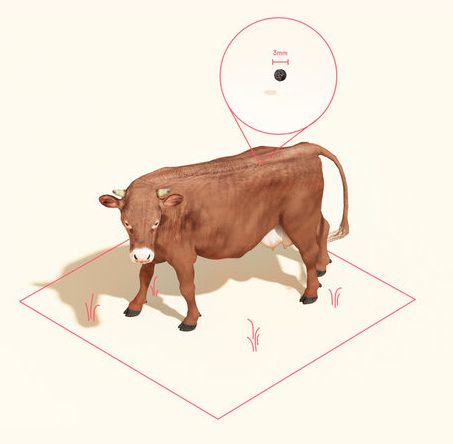
Yes, but the difference is you need fewer cows alotfewer cows.
And they get to stay alive, too.
It’s free, every week, in your inbox.
Once that tiny sample is collected under anesthesia, the cows are free to roam and live their lives.

How can that tiny sample grow into 80,000 burgers?
Mosa develops both the muscle and fat tissue this way to get all the flavor of regular beef.
Eventually, a single sample grows into 800 million strands of tissue.
How much of a difference could it make, really?
Raising and slaughtering cows takes up alotof resources.
Just look at this map of how much land in the US is used for beef.
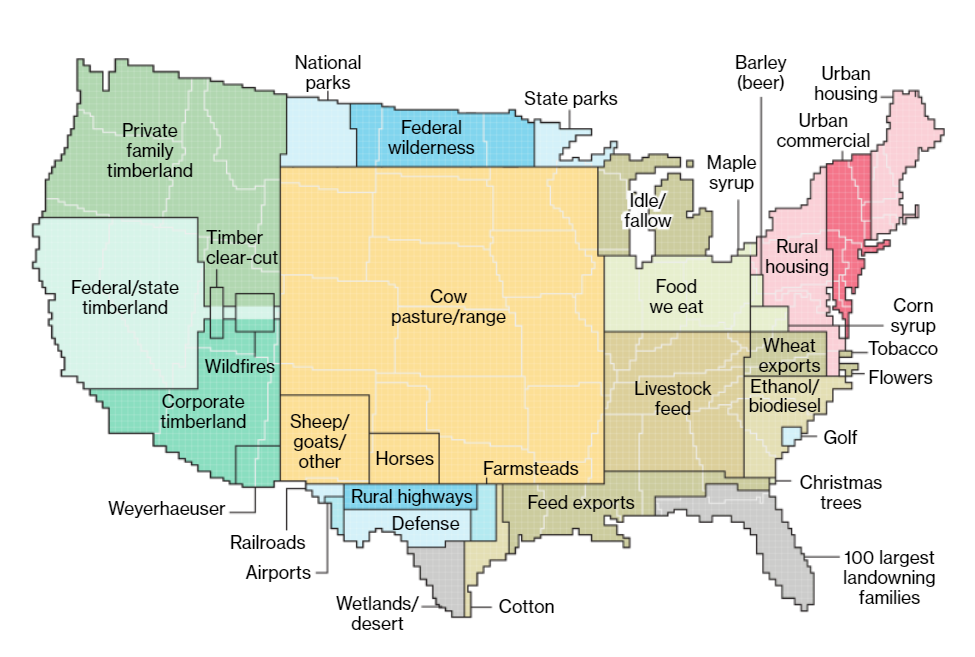
Land aside, creating traditional beef uses a ton of water and energy.
In all, astudyfrom 2017 estimated that 23% ofglobal warmingcan be attributed to the livestock sector.
Why not just stick to plant-based meats?
But the company is concerned not everyone will want to take that route.
In theory, theres also no second-guessing with cultivated beef.
It should taste like beef because itisbeef.
People also generally seem more inclined to try lab-grown realbeef over a plant-based simulacrum.
Surveys have suggested anywhere from 20% to 90% of consumers would be willing to eat cultured meat.
Is the meat genetically modified?
Nope as the company points out on itsFAQpage, that would actually be illegal in much of Europe.
When can I buy myself some lab-grown meat?
The Netherlands, where Mosa Meat is headquartered, recently earmarked 60M in funding for cultured meat.
Itll be here sooner than you think.
Check out the full list of speakershere.
