The concept is the brainchild ofCactos, a startup based inFinland.
Cactos converts the batteries into smart electricity storage units, which optimise energy consumption.
Investors are providing growing backing for the approach.
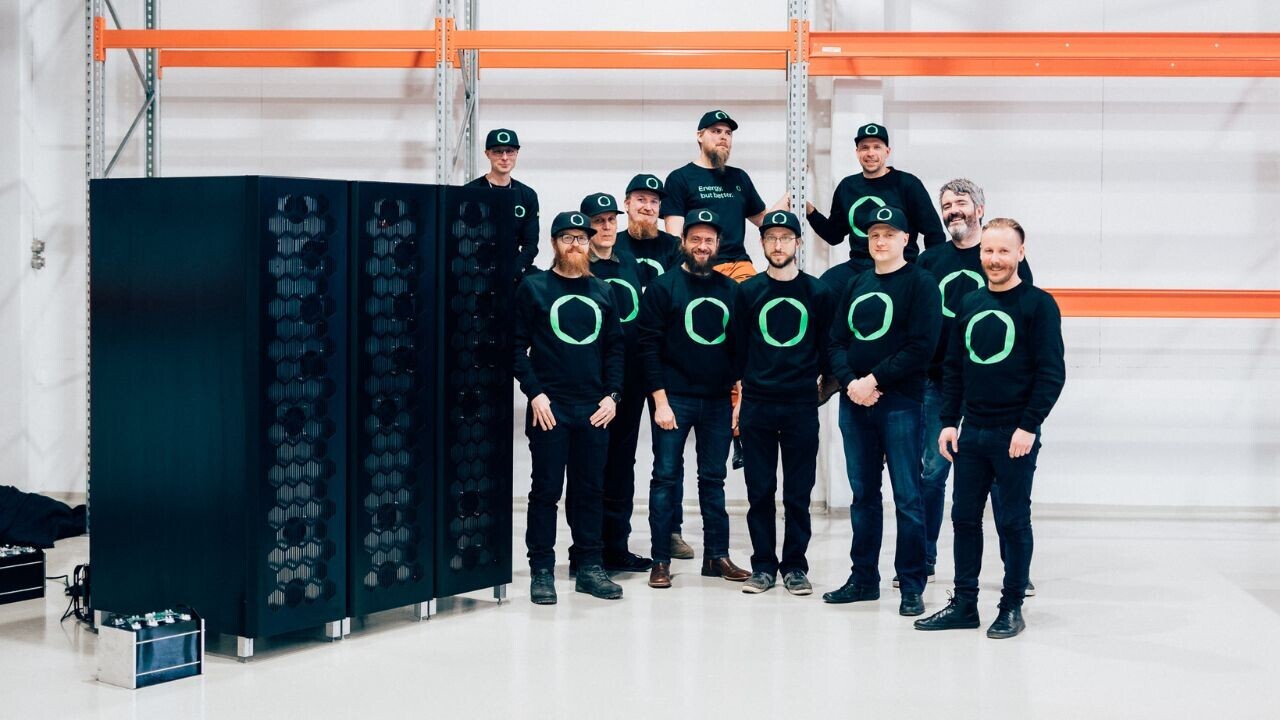
OP Finland Infrastructure LP and the Finnish Climate Fund are the lead investors in the round.
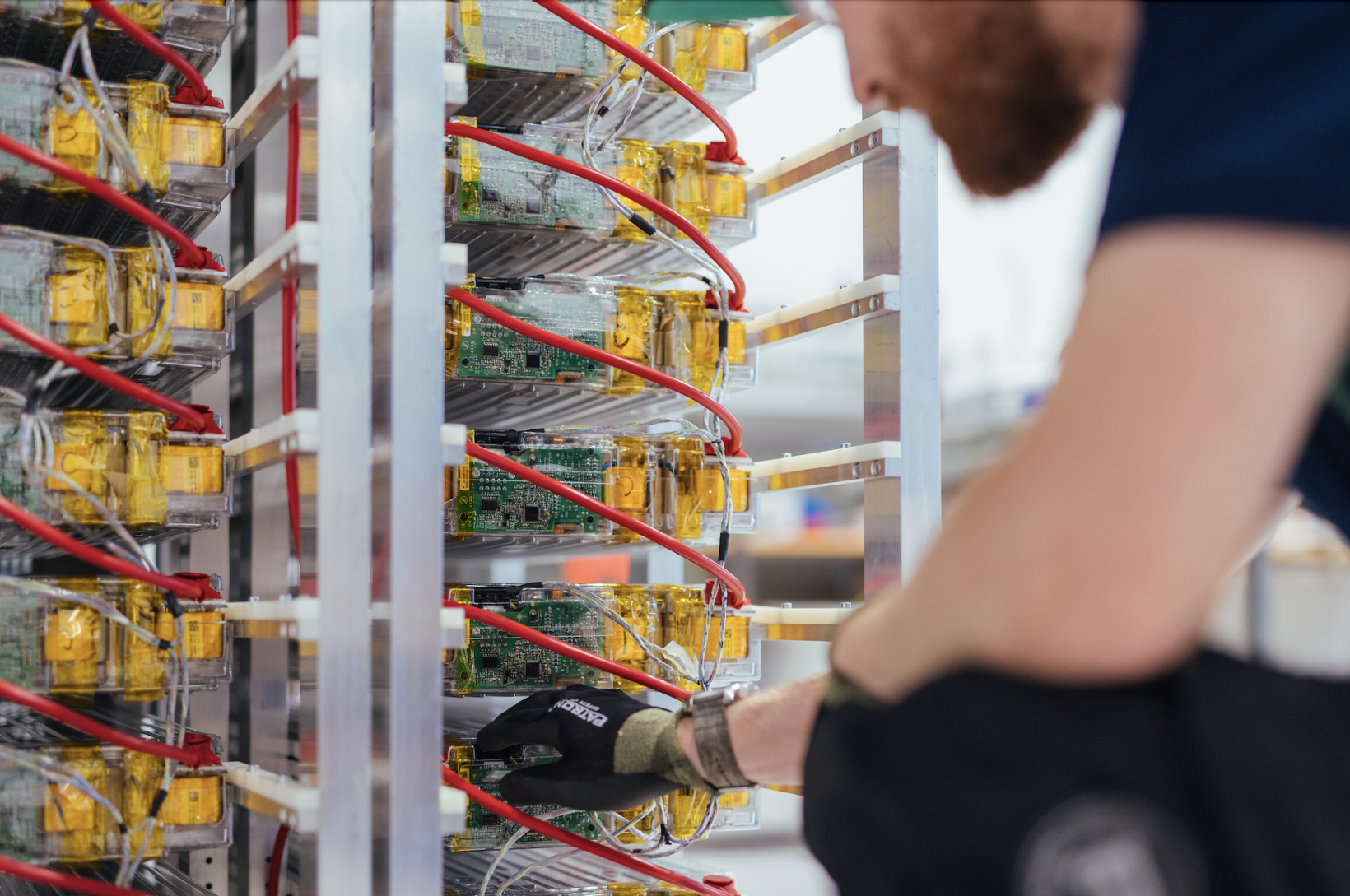
To upcycle the Tesla batteries, Cactos disassembles their cassettes and extracts their modules.
40% off TNW Conference!
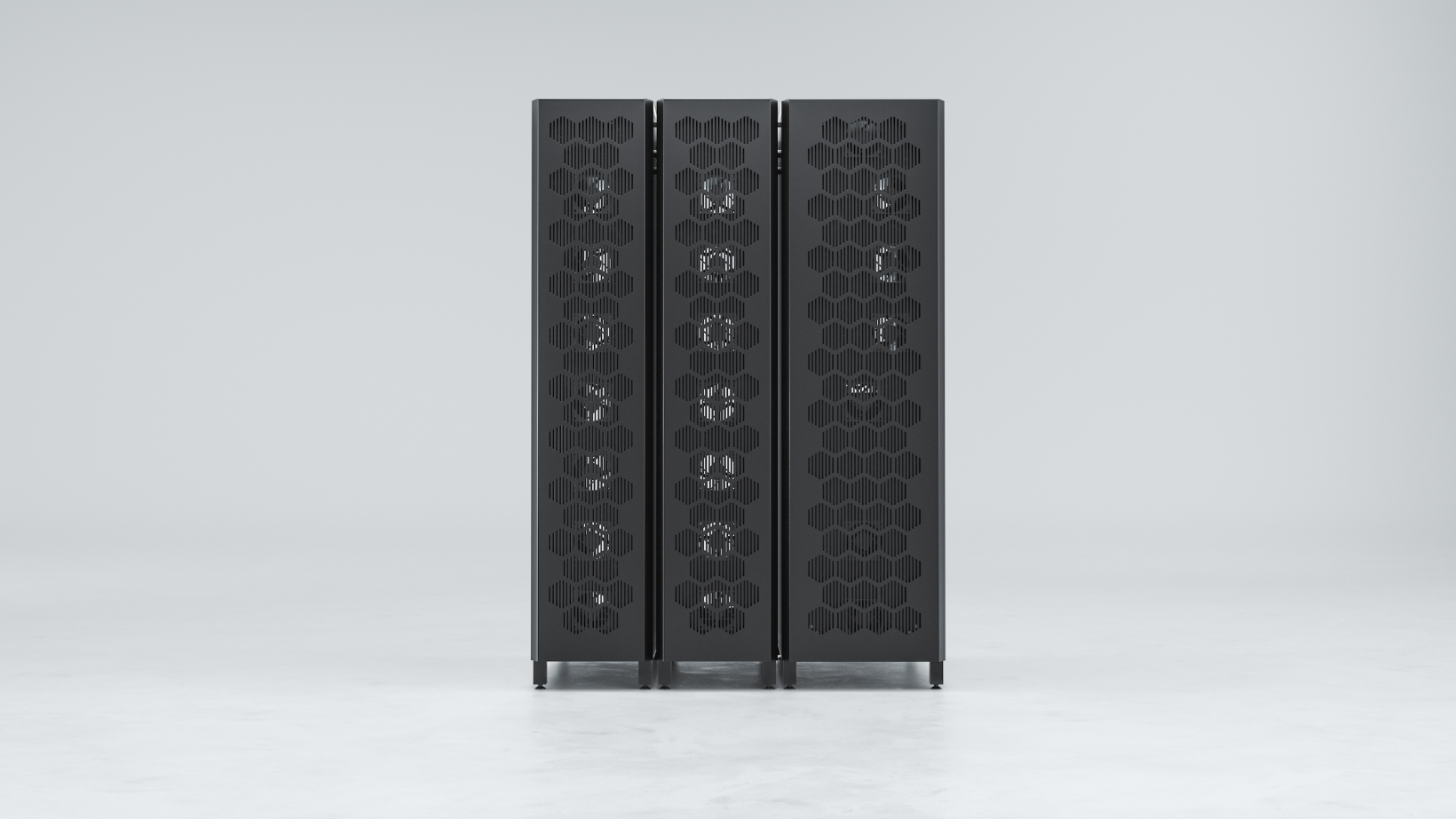
If they pass, engineers install them in the cabinet of thebatteryenergy storage systems (BESS).
The batteries can then begin a new job as managers of electricity use.
Supply and demand
Cactos supplies the finished units as an all-inclusive service.
Global trends have added further selling points.
Investors in Cactos highlighted the impact of the green transition, which requires electrification across all sectors of society.
For the Tesla batteries, however, the second job is not guaranteed forever.
When Cactos launched in 2021, second-life batteries were the most cost-effective component for BESS applications.
Nonetheless, the elderly batteries still play a useful role.
Cactos continues to fabricate them and they remain in demand, particularly from ESG-focused clients.
Not all the veteran cells are ready for retirement.
Story byThomas Macaulay
Thomas is the managing editor of TNW.
He leads our coverage of European tech and oversees our talented team of writers.
Away from work, he e(show all)Thomas is the managing editor of TNW.
He leads our coverage of European tech and oversees our talented team of writers.
Away from work, he enjoys playing chess (badly) and the guitar (even worse).
