Disclaimer: nothing in this article should be constituted as mental health advice.
This is anecdotal evidence from a technology journalist.
Ive been a gamer since the early 1980s.
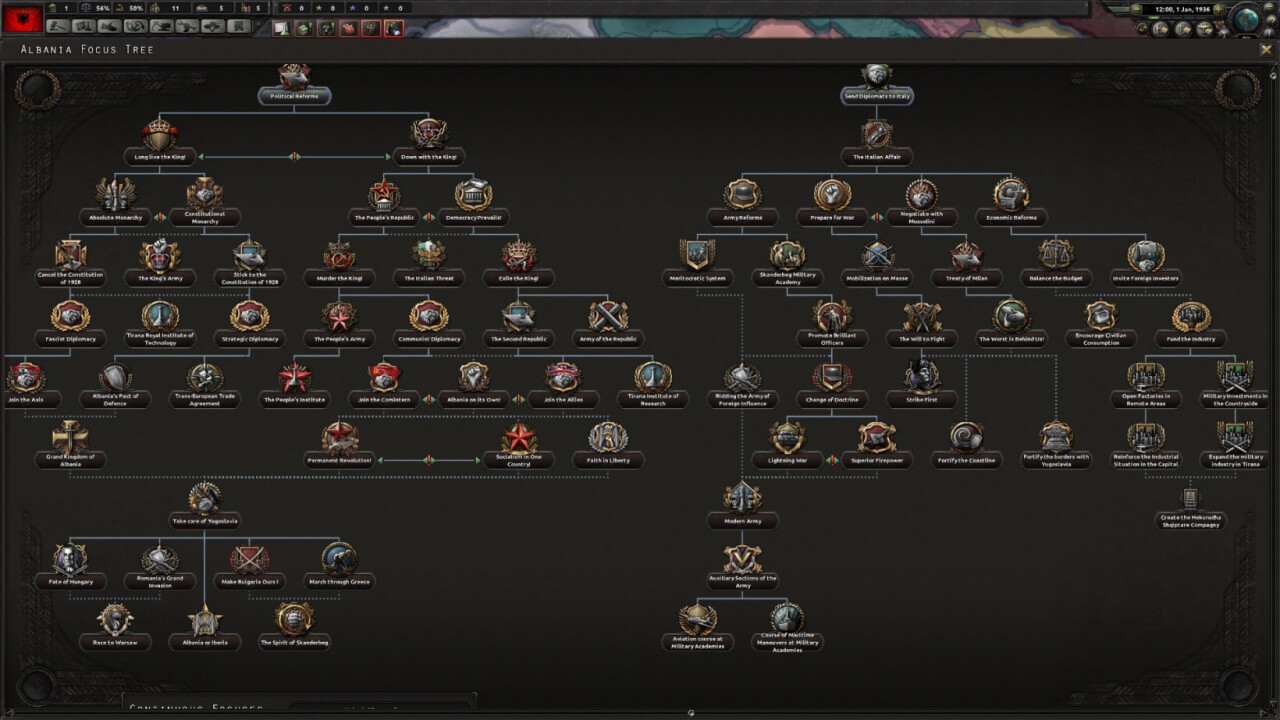
I cut my teeth onTempestandDonkey Kongin the local arcade.
Gaming is my solace.
This is how Ive alwaysblown off mental steam(for lack of a better way to put it).
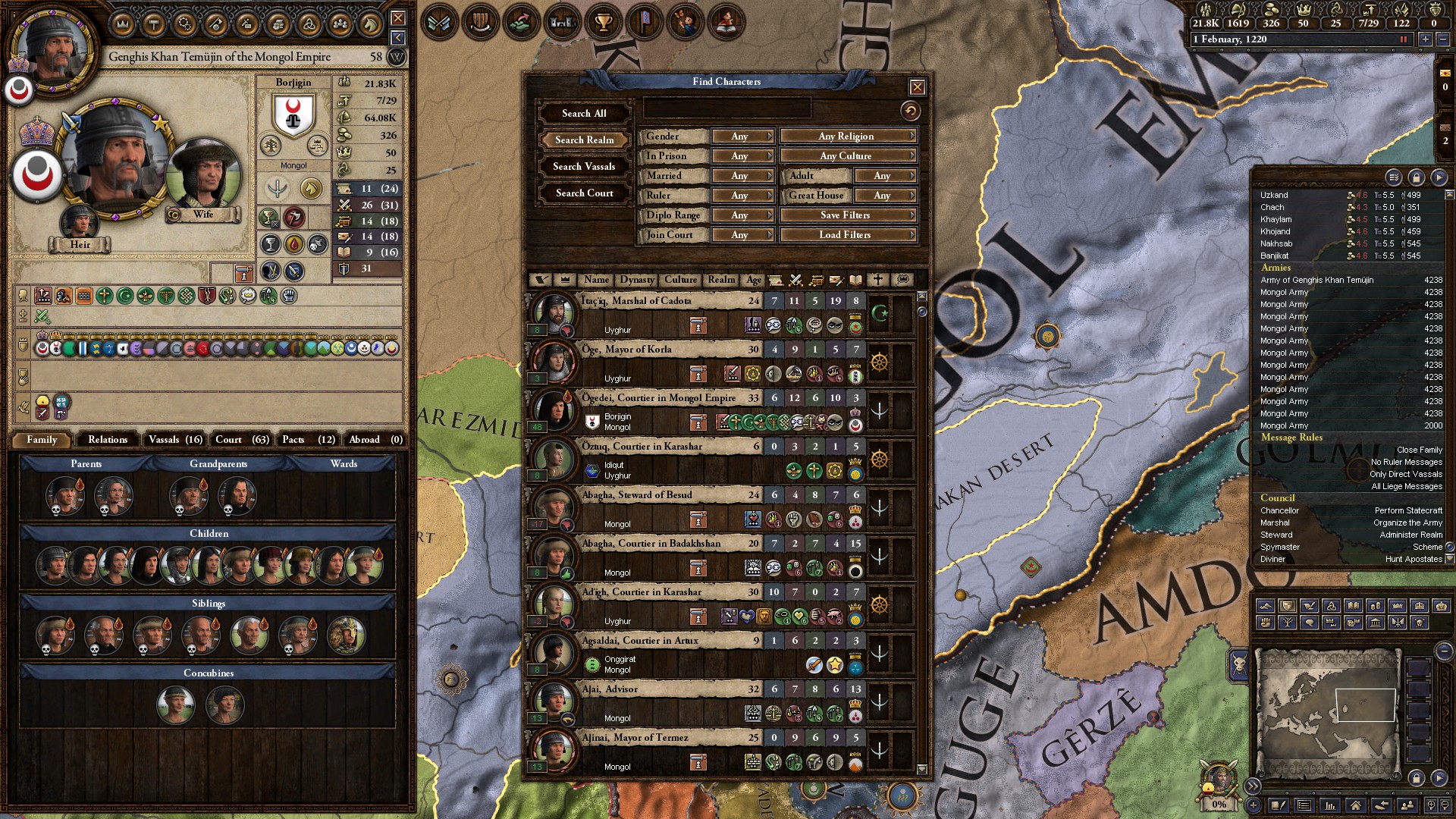
But something happened in 2020 that changed everything: video games stopped working for me.
The pandemic hit, the protests happened, and my mother passed away without a funeral.
My mental health absolutely tanked before Thanksgiving.
40% off TNW Conference!
Luckily Id manged to really get into LA By Night, by then.
Its not that theyre bad ortoohard.
But, I really needed a win to end the year.
So I decided to download them again.
And then I tried something radical: I sat still for an hour and paid attention.
Im also feeling less stressed, less anxious, and more focused.
The question is: Why?
Especially not by genre.
However, as far as I can tell, theres no real science behind this.
Sure, we understand games can effect our mental health.
First up, I spoke with Lasse Liljedahl, CEO of Iceflake Studios.
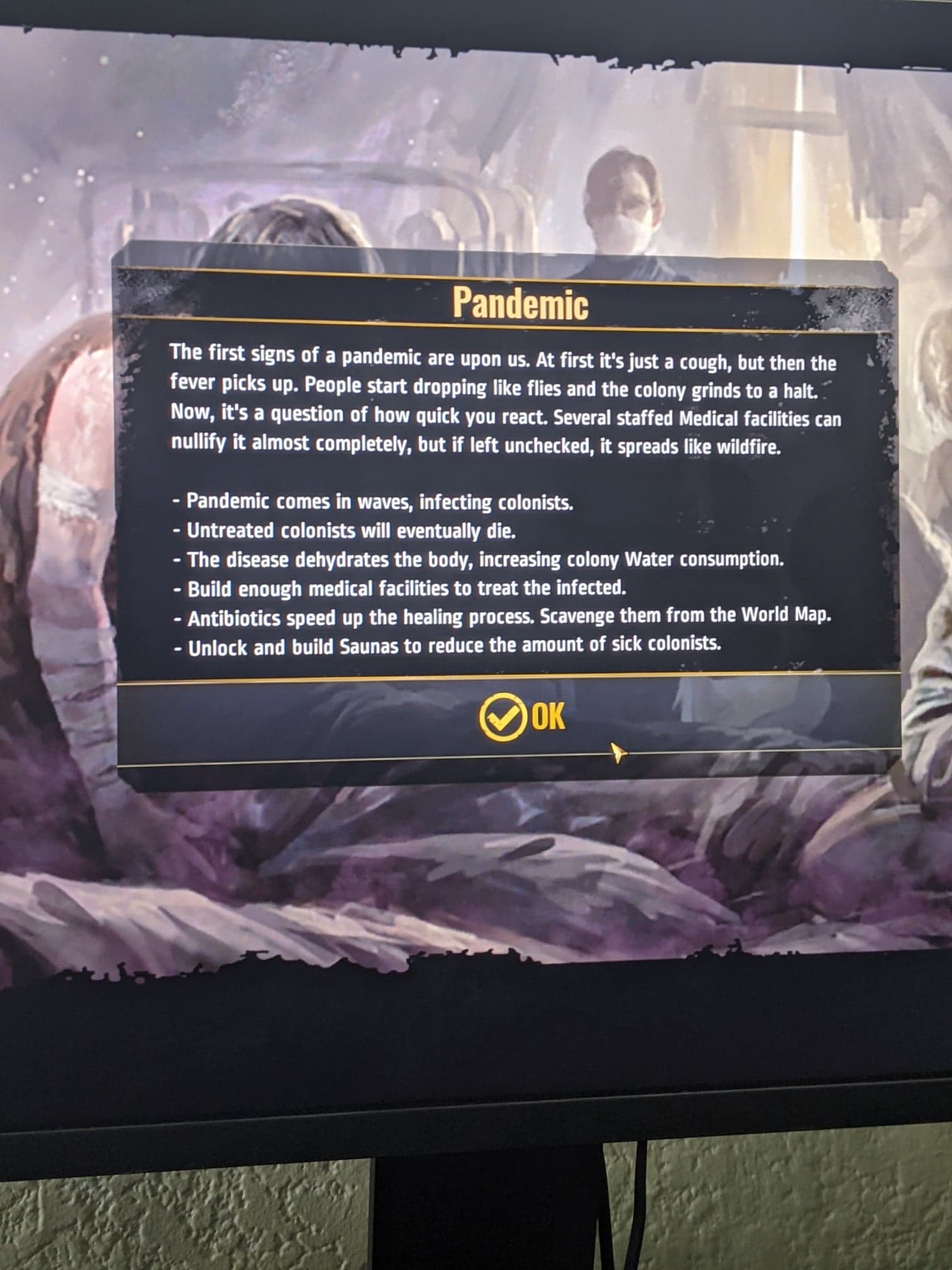
Theyre responsible for the excellentSurviving the Aftermath, a game that takes the grand management genre to the apocalypse.
You playAftermathfrom the perspective of the entity in charge of an entire settlement.
It gets overwhelming quickly, but you always know exactly whats going wrong and why.
But theres a faint current of hope pulsing beneath the surface in the game.
I want to do right by my little people inAftermath, because its something I can actually control.
And whenIscrew up, its on me.
I can go back, start over, and do things different.
I can make it right.
I have the power.
According to Liljedahl:
Players expect the game to challenge them.
We wanted to give a little bit more hope, a little more hopeful atmosphere.
Theres no night so dark that you cant see the light at the of the tunnel.
Ultimately, Liljedahl didnt have any magical insight into the healing powers of his game.
So I was able to discern why the games were so hard, and possibly why theyre so satisfying.
I was on to something, but I still hadnt discovered anything ground breaking.
Theres nothing else out there likeCKIII.
But, considering theres no real science on any of this, it makes sense.
But it was also illuminating when Oltner called them domination fantasies.
Its the ability to see myself slowly gaining and then exerting control that draws me in.
The opposite of powerlessness is domination.
According to him:
Losing control in Crusader Kings III just means you have new opportunities.
And thats where the game shines.
You dont play as a person, you play as a dynasty that persists throughout the generations.
If you screw up one leaders life theres always the next one.
At the end of my quest I realized that science doesnt always have the answers (yet).
I was looking for an explanation into something that, frankly, didnt require any fancy insights.
Next up: war games!
