A pause has been forced on urban life.
The reality of lockdown is making ghost towns of the places we once knew.
Everything we know about our urban world has come to a shuddering halt.
The lockdown will, at some point, end.
Urban life will begin to hum again to the familiar rhythms of work, leisure and shopping.
This will be a huge relief for us all.
Yet our towns and cities will never be the same.
Indeed, things might get worse before they get better.
But its also the case that other crises havent gone away.

These are going to need our attention again.
Our cities arent built to be sustainable.
It’s free, every week, in your inbox.
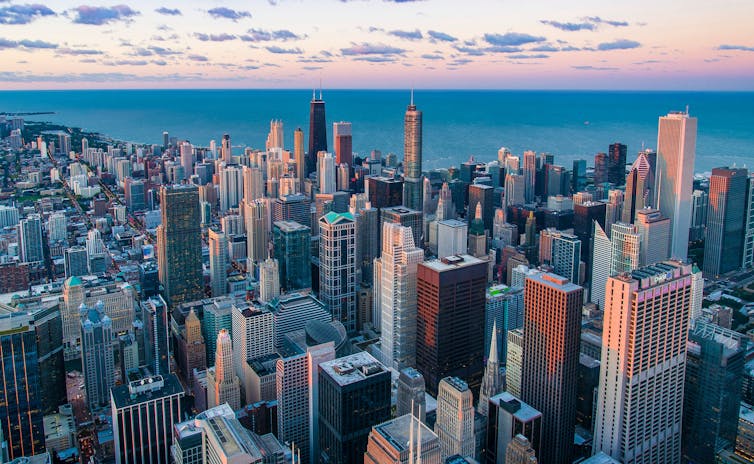
But we are now seeing a flip side to this globalized urban world.
This model has the perfect conditions for creating a crisis like coronavirus.
Its also really bad at dealing with it.
So something else is required to guide us into the future.
But now its looking very risky, given the need for increased cooperation and local resilience.
After coronavirus, a key question emerges: what in essence, is a city for?
Is it to pursue growth, attract inward investment and compete against global rivals?
Or is it to maximize quality of life for all, build local resilience and sustainability?
These are not always mutually exclusive, but its a question of regaining balance.
Recently, I described this ina bookalongside aguide for civic leaderson how to tackle the climate emergency.
This has already started.
Many things have become possible in the last few weeks.
In many places, rapid changes have been unleashed to control the economy, health, transport and food.
There is also a flourishing of community-basedmutual aid networksas people volunteer to help the most vulnerable with daily tasks.
Yesterdays radical ideas are becoming todays pragmatic choices.
Below I discuss a few key areas of city life that are currently providing some options.
Breaking car dependency
Many people around the world are currently surrounded by much quieter streets.
This presents us with a huge opportunity to re-imagine and lock in adifferent kind of urban mobility.
Streets with fewer cars have shown people what more liveable, walkable neighborhoods would look like.
Accessible, affordable, zero-carbon,public transportis key to supporting a less car dependent urban future.
This crisis has revealed the significant inequalities in peoples ability to move about cities.
This has taken a new twist during this crisis.
COVID-19 has also highlighted how key workers underpin our daily lives.
Creating good quality affordable transport for them is thereforecrucial.
Walking and cycling infrastructure can play a huge role in getting people around effectively and alsomaking them healthier.
The inadequacies of pedestrian space have also been revealed, especially for effective social distancing.
The lockdown has also brought aboutsignificant reductionsin air pollution.
One study estimated that the lockdown in China saved77,000 livesjust by reducing this pollution.
Such reductions are particularly key given that worse air quality couldincrease the risk of deathfrom COVID-19.
Aviation has taken a hit, withtotal flightsdeclining by more than half during the crisis.
We are all living the reality of simply travelling less, and shifting activity online.
Coronavirus has thrown many of these into stark relief.
The current crisis has started to rip up ideas led by the free market.
We now seem to be revaluing what matters.
Local shops are experiencingrenewed supportas they offer stronger personal connections and commitment to their community.
This crisis has also highlighted who has enough money to live on.
Thesocial economycan provide further insights for refocusing city economies after coronavirus.
There are signs of how the economy can change in positive directions.
These short term glimpses of a more socially useful economy should provide inspiration when considering future urban economic planning.
Factories might transition to manufacturing wind turbines, e-bikes, insulation panels and heat pumps.
A green urban commons
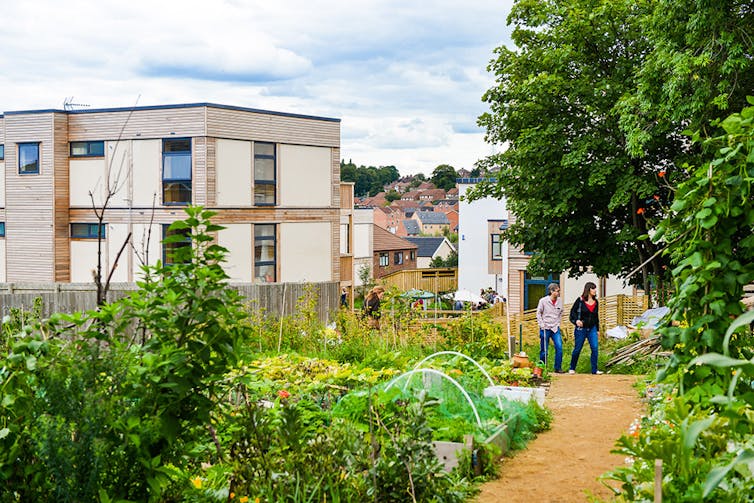
Further greening of cities after coronavirus would offer real and widespread benefits.
During lockdown, many people are more aware how littlegreen spacethey have access to on their doorsteps.
Many are also stuck in cramped conditions with little or no access to outdoor spaces.
Now is a good time to supercharge such plans.
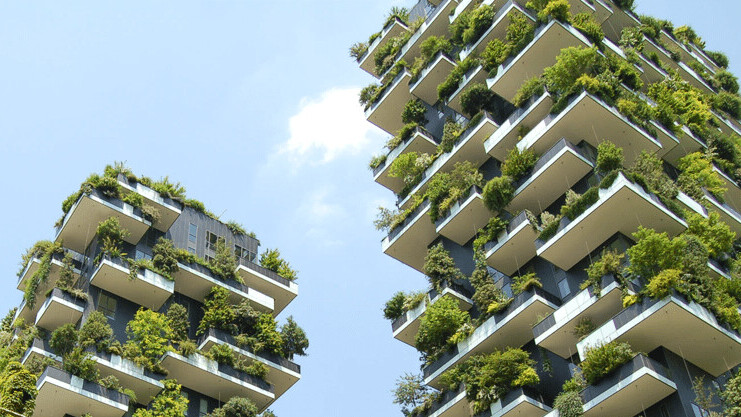
Neighborhood designinspired by naturecan support this.
Theres also a strong rationale for prioritizing street-by-street retrofit.
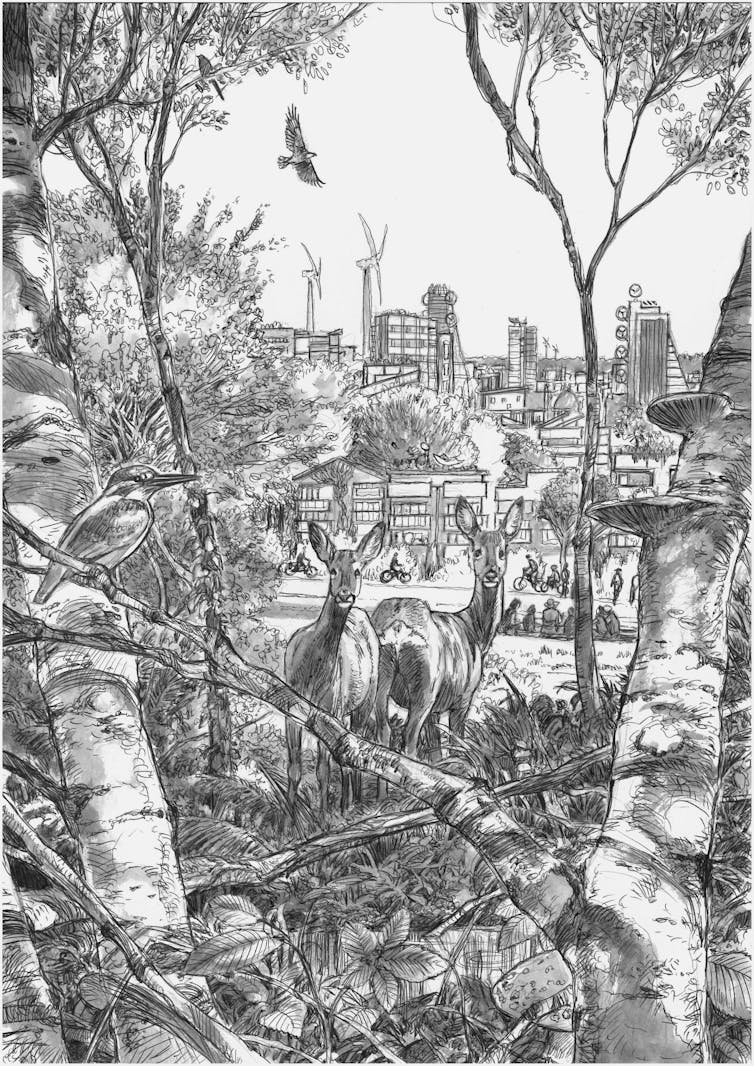
This moment offers a real opportunity to lay the foundations for a new deal for nature and animals.
This is more important now than ever.
Regenerating and protecting natural spaces could be a key part of future disease resilience.
What next?
COVID-19 clearly presents a significant juncture.
There is still trauma and loss ahead.
There may be market collapse and a prolonged depression.
There are also tendencies towards political and corporate bodiesexploiting this crisisfor their own ends.
No particular urban future is inevitable.
The future story, and reality, of our towns and cities is up for grabs.
Often ideas start to converge under a single banner.
Its an approach which has a lot to offer cities after this coronavirus crisis.
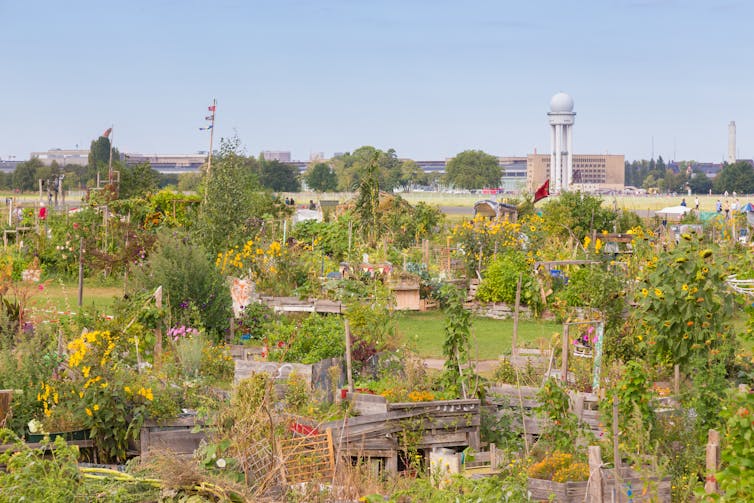
Allotments in an old airport: Tempelhofer Feld, Berlin.
Matej Kastelic/Shutterstock.com
How city governance responds in this crisis and afterwards will be key.
We are seeing glimpses of this already through anew municiaplism, with Barcelona as one of the leading examples.
Its difficult to predict how things will actually turn out in such a fast moving environment.
