Hello, Bonjour, Hola, , Guten Tag, , , Merhaba, Jo Napot, !
Designers at global companies frequently work with geographically distributed teams.
We also regularly work on digital products designed for global consumption for clients located all over the world.

Cross-cultural designindisputably presents complex challengesboth linguistic and cultural.
The road to successful cross-cultural design with great UX is far more complicated and rife with pitfalls.
Who can forget the seminal cautionary tale of why Chevrolets Nova failed in Latin America?

The story claims the branding failed because the name Nova means no go in Spanish.
Theres only one problem with the story:Its not true.
It turned out that the magnifying glass icon was not something people associated with search in India.
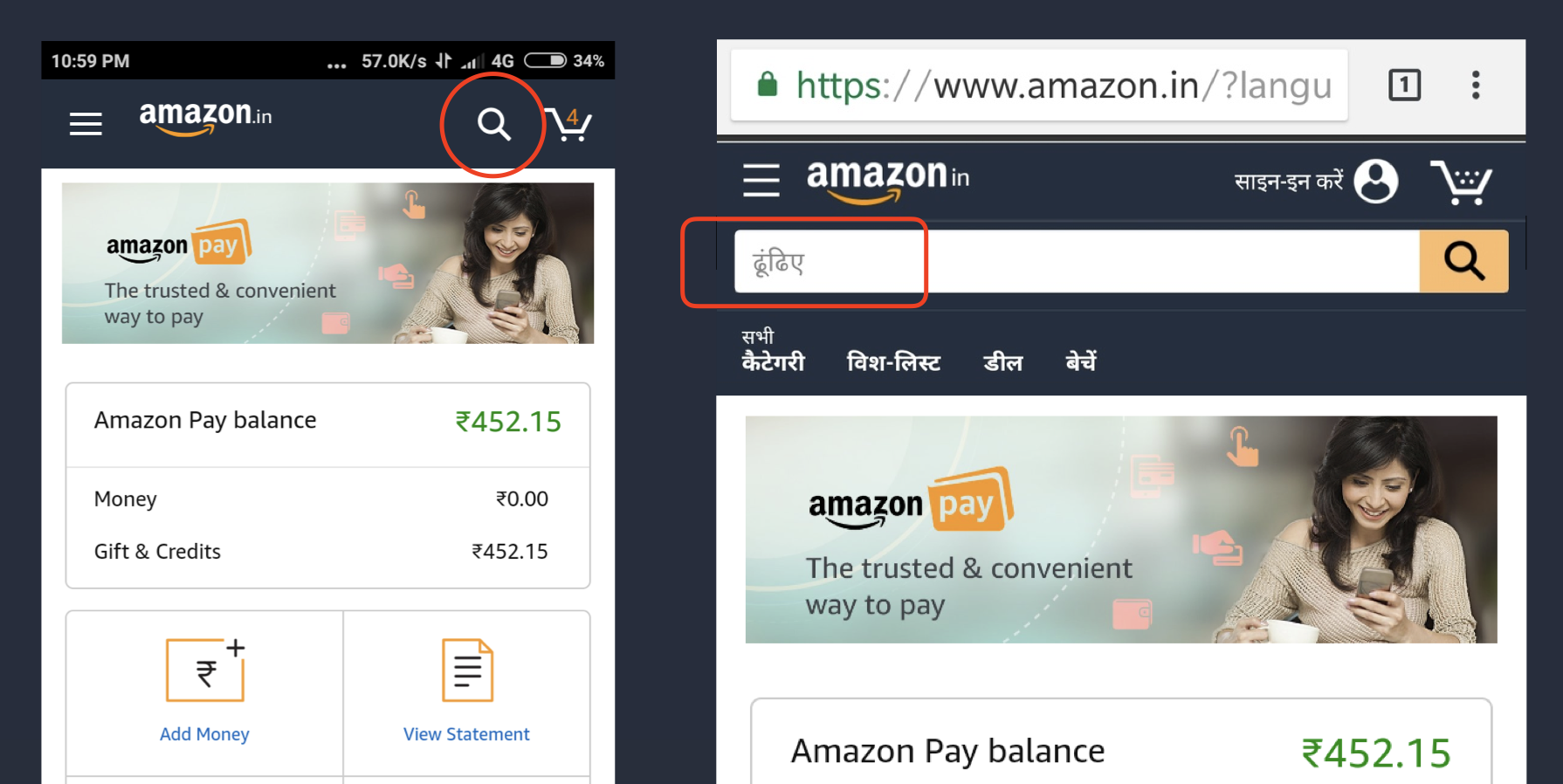
It made no sense at all to them.
When the UI was tested, most people thought the icon represented a ping-pong paddle!
Consideration should be given to everything from text to images, to navigation patterns and CTAs (calls-to-action).

An image that may be perfectly acceptable in Western cultures may be considered inappropriate in some Middle Eastern countries.
Designers also have to account for text in different languages, known as text expansion.
Working with English, German, and Japanese for the same piece of text will yield very different results.
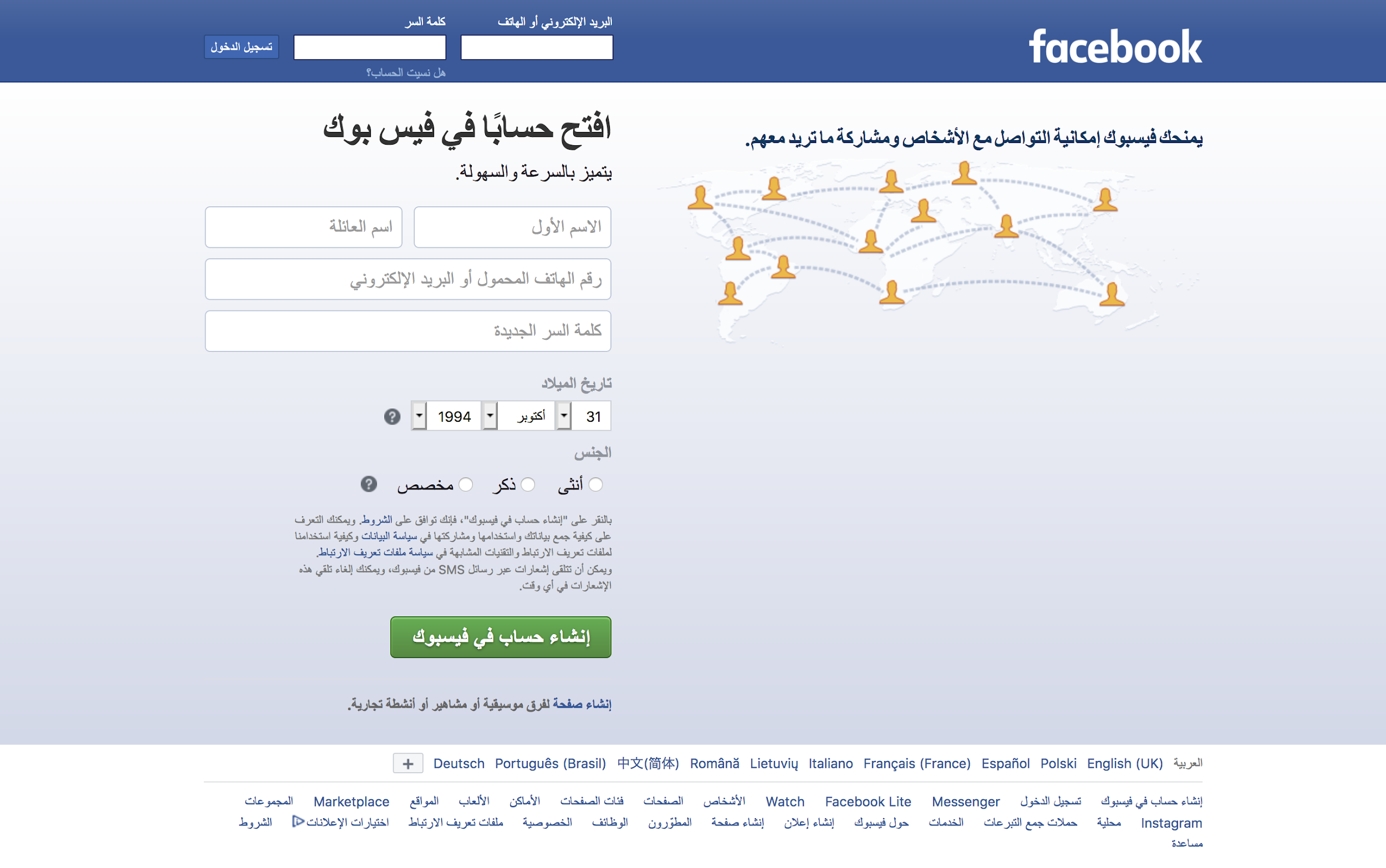
Going from English to Italian phrases will at times cause text expansion of around 300%!
Cross-cultural design research is rooted in the work of two individuals:Fons TrompenaarsandGeert Hofstede.
The model is the result of interviews with more than 46,000 managers in 40 countries.

Everyone knows that our spoken accents develop based on where we grew up.
The cultural dimensions represent cultural tendencies that distinguish countries (rather than individuals) from each other.
In other words, culture can be only used meaningfully by comparison.

How do users respond to authority?
Do people see themselves as individuals or as part of a group?
How do we motivate people in an individualistic culture versus a collectivist one?

Does our product promote individual or collective success?
How do we reward users?
Some societies place importance on youth, whereas wisdom and experience are valued elsewhere.

Hofstede measures this on theindividualism vs. collectivism index(IDV).
Countries with high numbers on the index are more individualistic.
How comfortable are people with uncertainty?

Conversely, a society that is uncomfortable with uncertainty prefers clear and distinct choices.
How do these different cultures react to something unexpected, unknown, or away from the status quo?
For example, Germany scores high on the IDV index; therefore, it typically avoids uncertainty.
What about risk aversion in a culture?
People in diverse cultures interact with information in different ways.
Research may involve looking into the primary devices used by the target market and potential challenges with internet connectivity.

Qualitativeuser research is a direct assessment of behavior based on observation.
Its about understanding peoples beliefs and practices on their terms.
Researching local phrases, idioms, and customs for text and images is vital in cross-cultural design.
Testing the cross-cultural design workflow during the early stages of the project is crucial.
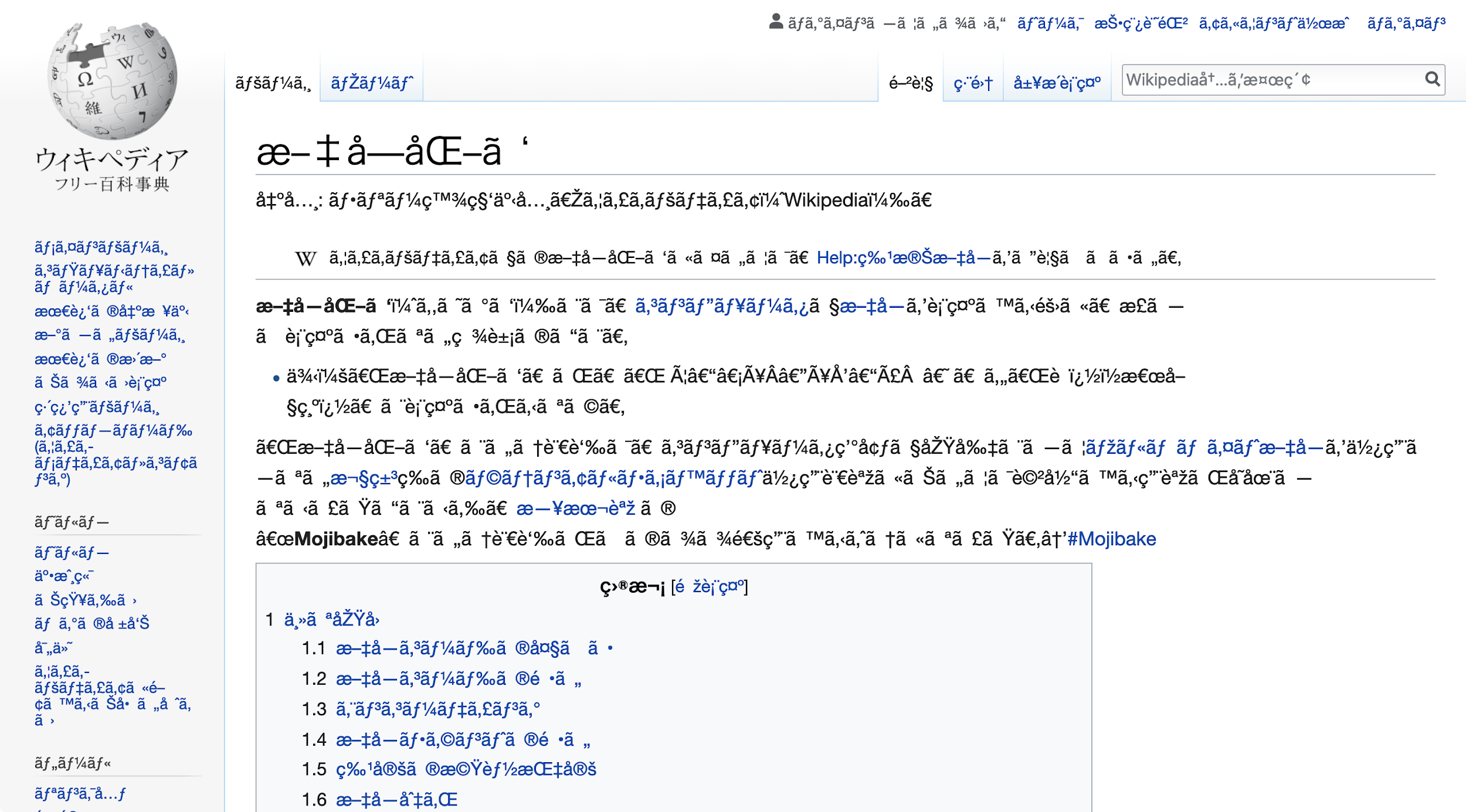
A UTF-8-encoded Japanese Wikipedia article displayed on the web if interpreted as Windows-1252 encoding.
Working across borders between designers and clients may present another set of challenges.
ExpertUX designersknow design projects that cross borders need to be researched and tested thoroughly.
Cross-cultural design invites designers to embark on a road less traveled.
At times it may become a little bumpy.
