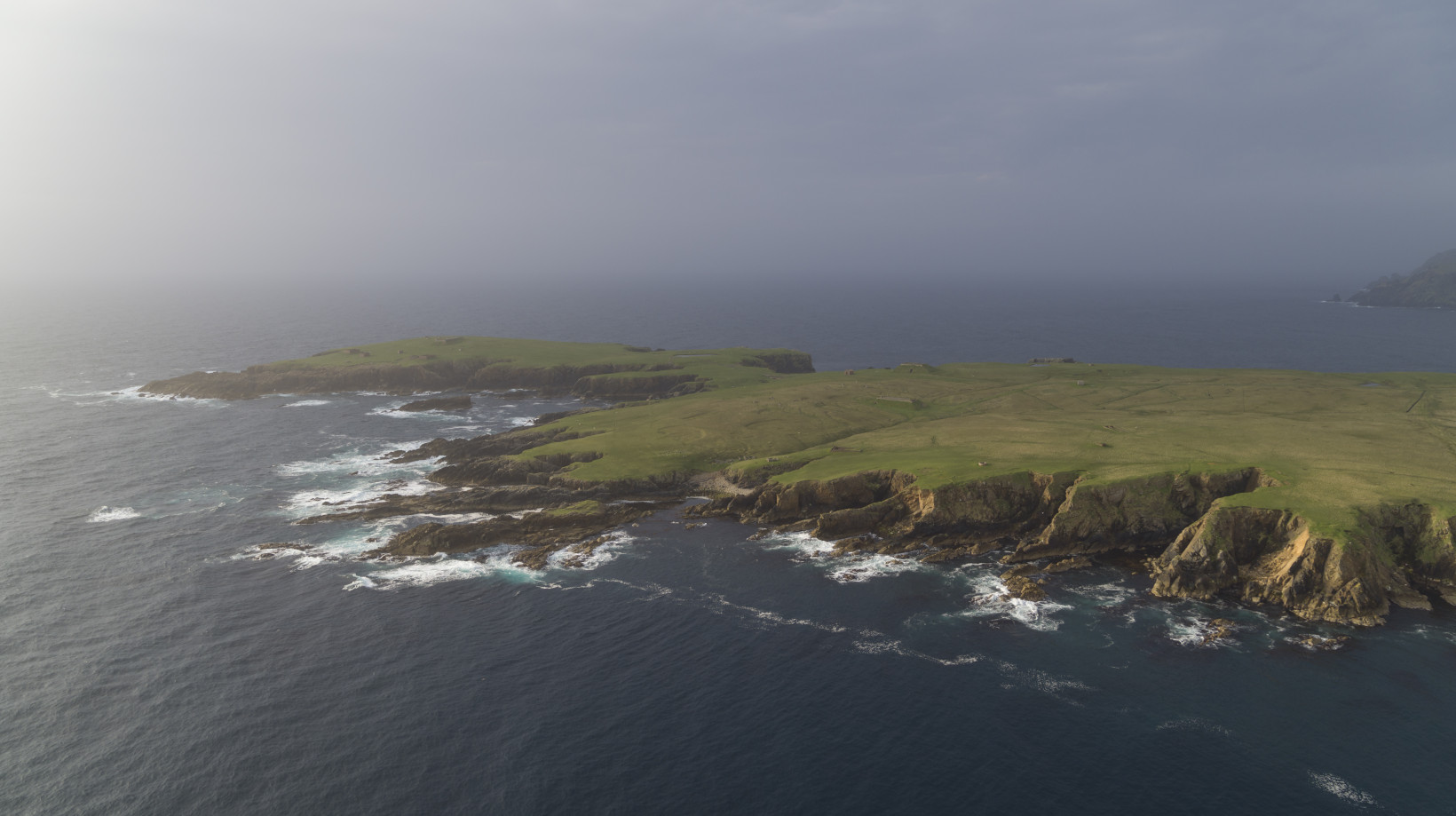
Around 250 kilometres off the north coast of Scotland, theShetland isle of Unst is undergoing a dramatic renovation.
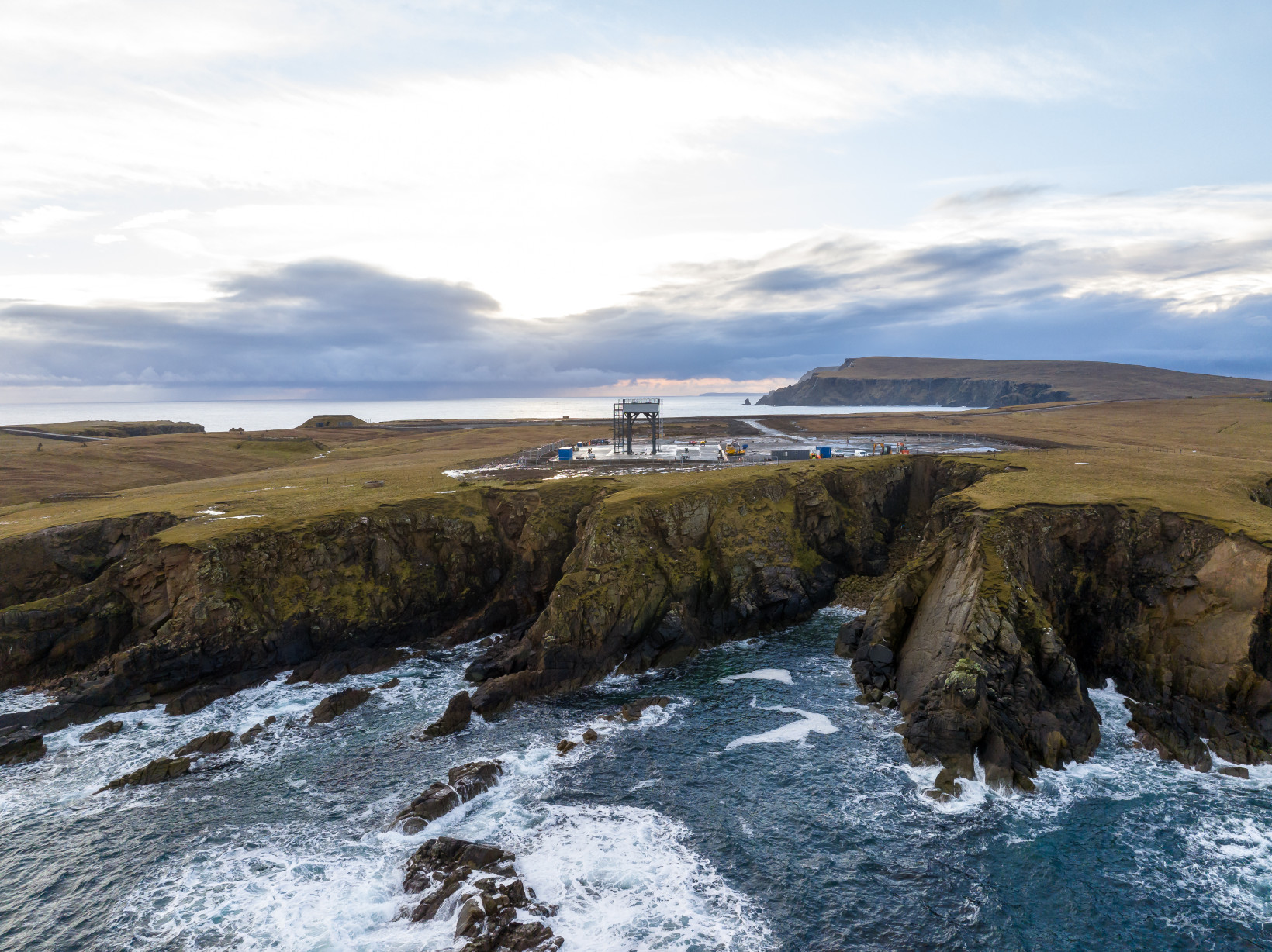
On a peninsula flanked by giant cliffs and open ocean, builders are constructing a spaceport.
They call the project SaxaVord.
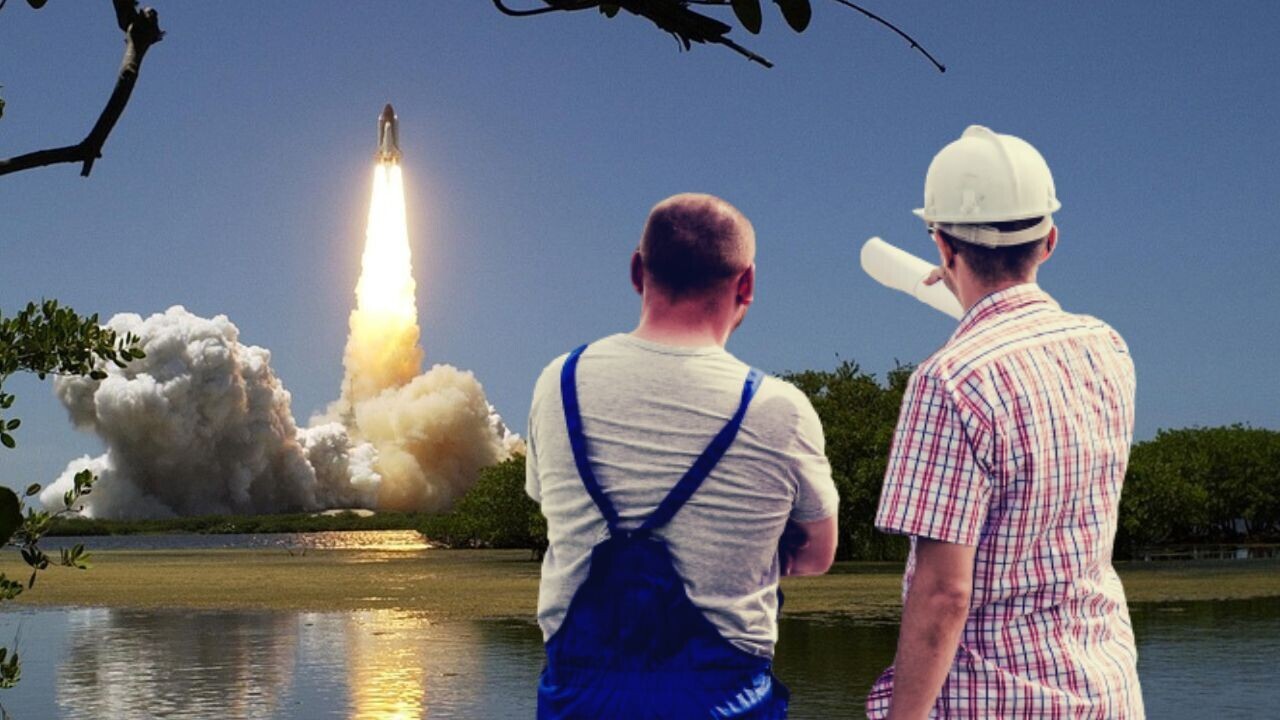
They say it could host the first-ever vertical rocket launches from Western Europe.
Its a bold objective that welcomes auspicious signs.
One was discovered just this summer; another was already known when the team laid their founding stone.

Staff at SaxaVord would joke that they were exchanging longships for spaceships.
They hoped to inherit the Norse spirit of exploration.
It’s free, every week, in your inbox.
The second harbinger revealed an even older heritage.
While excavating the site, workers unearthed an ancient burial ground.
The discovery suggests the site has over 4,000 years of human activity three millennia longer than the Viking heritage.
SaxaVord sensed another good omen and a cute new slogan.
Its going from the Bronze Age to the Space Age.
Thats how we see it, Scott Hammond, the spaceports operations director and deputy CEO, tells TNW.
We also think theres a stone circle, which would have been aligned with the stars.
It just goes to show, doesnt it?
If it was a good location in the Bronze Age, its a good location now.
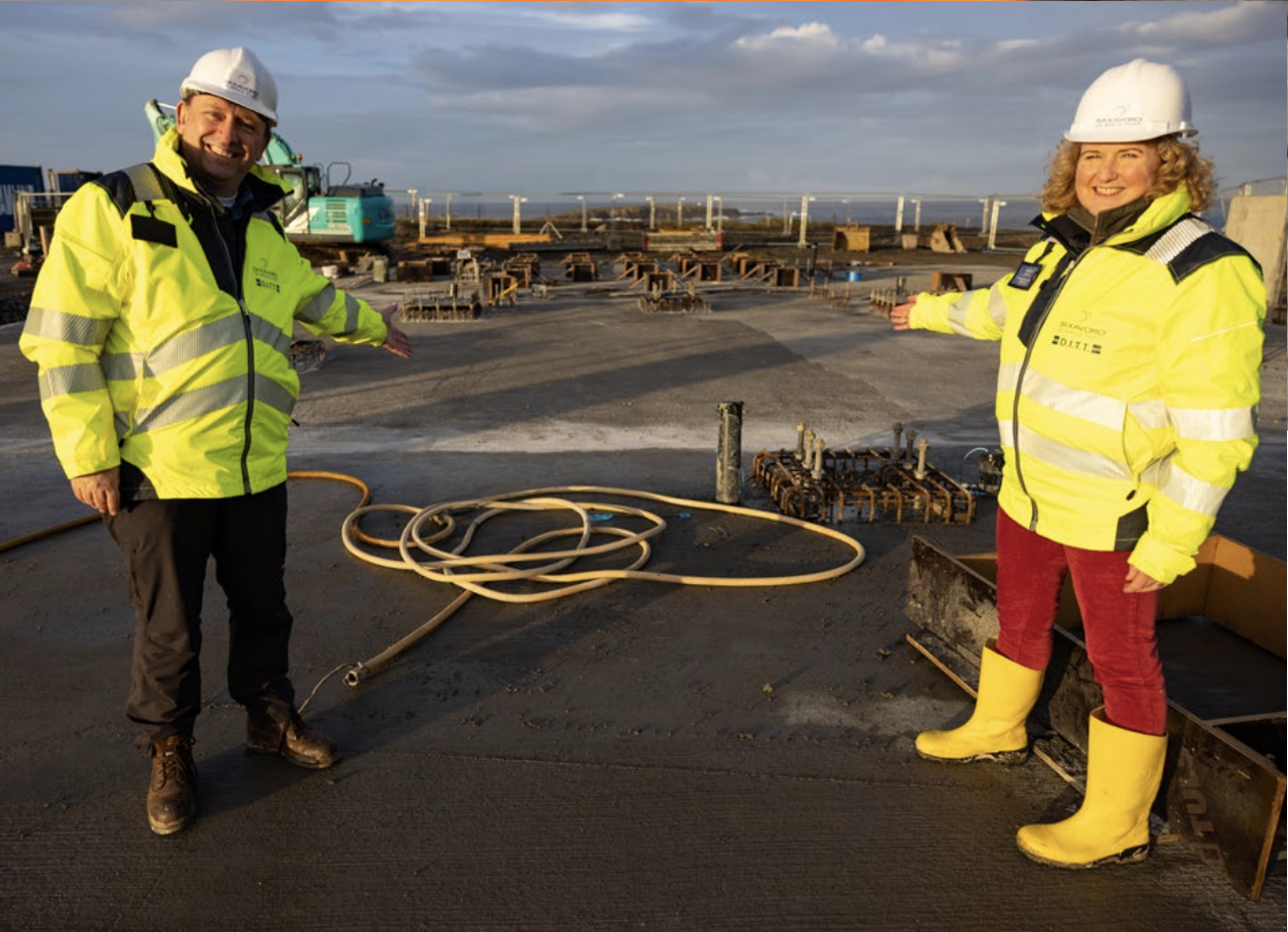
Its a good location for several reasons but more on that later.
Its also a location with a powerful pull for Europes burgeoning spacetech sector.
The surge in launches will also bring benefits down to Earth.
From GPS and weather forecasting to solar cells and medical treatments,spacedelivers countless real-world benefits.
As the number of spaceports increases, the breakthroughs could proliferate.
Hammond envisions SaxaVord at the forefront of the innovations.
He compares the spaceports potential to the canals and railways built during the Industrial Revolution.
Once that infrastructure was in place, a boom period began for scientific, technological, and economic development.
Thats effectively what we are: an infrastructure, he says.
We will be an enabler for everything else.
At least, thats the plan.
But building a spaceport isnt your average construction project.
At SaxaVord, the plan comprised a unique series of steps.
Find a location
Western Europe has a dearth of suitable sites for spaceports.
Unst is a rare exception.
The 120 km2 island is remotely located, surrounded by ocean, and home to only 600 people.
It also has a low volume of both sea and air traffic.
In the north of Unst,satellitelaunchers can get a clear, unobstructed route into orbit.
The SaxaVord team is also confident about the weather conditions.
They estimate that 95% of days from spring to autumn will have three hours of suitable winds.
During winter, that will drop to around one day in three.
The British government shares SaxaVords optimism.
In 2017, the UK Space Agency identified the location as its preferred site for satellite launches.
Its a compelling package for a spaceport.But Unsts natural attractions also created problems.
Study your environment
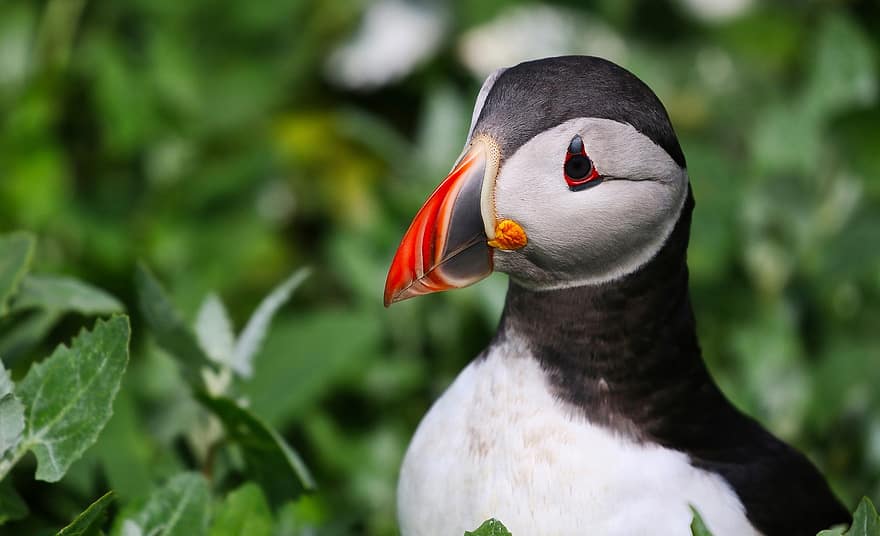
The location and environment of the Shetland Islands make the peninsula a wildlife haven.
A new spaceport could threaten their habitat.
Its a repercussion thatscausedcontroversy for Elon Musks SpaceX.
We are the most real of all the UKs spaceports.
RSPB Scotland, a conservation charity, had initially opposed the plans.
As part of the assessments, the spaceport took two years of bird counts on the land.
Over on Hermanes, puffins are down by 90%, says Hammond.
Unsts environmental protections extend to human habitations.
Its a landmark that was pivotal to the spaceports origins.
In 2008, they made a dramatic change of direction.
But their origin story had a troublesome subplot.
Conservationists were concerned about SaxaVords threat to the monument.
In 2021, an environmental agency made a potentially fatal intervention.
The organisation rejected the construction app.
But after a year of negotiations and reassurances from SaxaVord, the objection was withdrawn.
As the regulatory barriers lifted, the development moved forward.
As the UK had no specific guidance for rocket launches, Hammond sought direction from US regulations.
And the first focus is always safety.
Upon review of the rules, SaxaVord fine-tuned its safety guidelines.
Its providing a one-stop shop for space.
A similar concern guided the rocket hanger locations.
But equally, I dont want it so close that an explosion on the pad would destroy my hangar.
Another crucial part of the plan is the launch schedule.
SaxaVord has applied for up to 30 vertical rocket launches a year.
To squeeze in all those lift-offs, the spaceport will operate like a commercial airport.
Its a model thats attractive to the satellite companies.
According to spacetech investor Baumeister,startupswant to show clients that they have multiple takeoff options.
Its about the speed that they can offer customers, he says.
Once the plans were finalised, the construction could commence.
The pads will fire rockets of up to 30 metres in length, with maximum payloads of 1,500 kg.
They will then fly into sun-synchronous, polar and high-inclination orbits, as well as suborbital trajectories.
Connectivity will be provided by a ground station data pipe of 1.5m to 3.7m antennas.
All of that requires extensive support infrastructure.
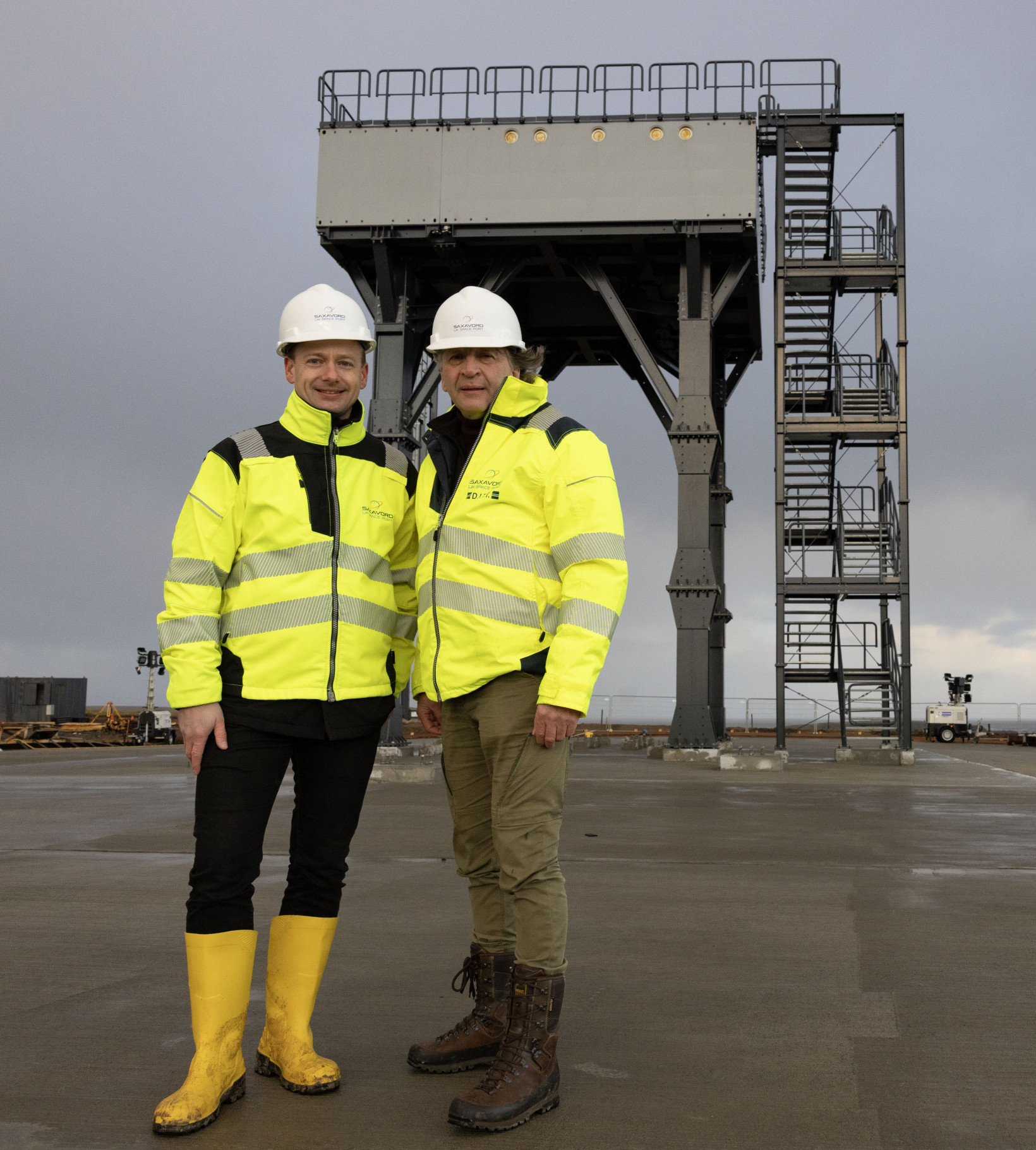
To protect the spaceport, security fences have been erected around the perimeter.
SaxaVord has also leased an airfield close to the site.
To monitor the launches, on-site tracking and telemetry systems have been installed.
Another requirement is accommodation for both staff and visitors.
The accommodation also provides a supplementary income stream a vital need for SaxaVord.
Keep the funding coming
Spaceports are not your typical investment.
Business plans are offbeat, customer bases are nascent, and returns are uncertain.
Launches are also fraught with risk, as Spaceport Cornwall recently showed.
Just months later, Virgin Orbit filed for bankruptcy.
In addition to the common challenges, SaxaVord has had to overcome another barrier.
Unlike most spaceports, the project has received little public funding.
Instead, the site largely relies on private investments.
We could hit the moon from here.
Hammond points to the models benefits.
He acknowledges that SaxaVords funding plan initially attracted scepticism, but the approach seems to have paid off.
We had to get over that.
And now, we are the most real of all the spaceports becauseits private money.
Because if were spending our own money, were a damn sight more careful about our decisions.
That doesnt mean that its been cheap.
He added that the project had recently secured a 139mn (160mn) debt facility.
Launch operators have provided a crucial source of funding.
Private investors have made another vital contribution.
They include Anders Holch Povlsen, a Danish billionaire and the largest landowner in northern Scotland.
Povlsen had previously raised an environmental objection to another spaceport planned for near his land in Sutherland.
Supplementary income streams add another cash injection.
As well as the launch service, theres the aforementioned hotel, plus support and data services.
Start the countdown
A final piece in the SaxaVord jigsaw is the spaceport license.
Its like when you buy a house, he says.
The next step will be getting those rockets in the sky.
Some could even fly before the spaceport license arrives.
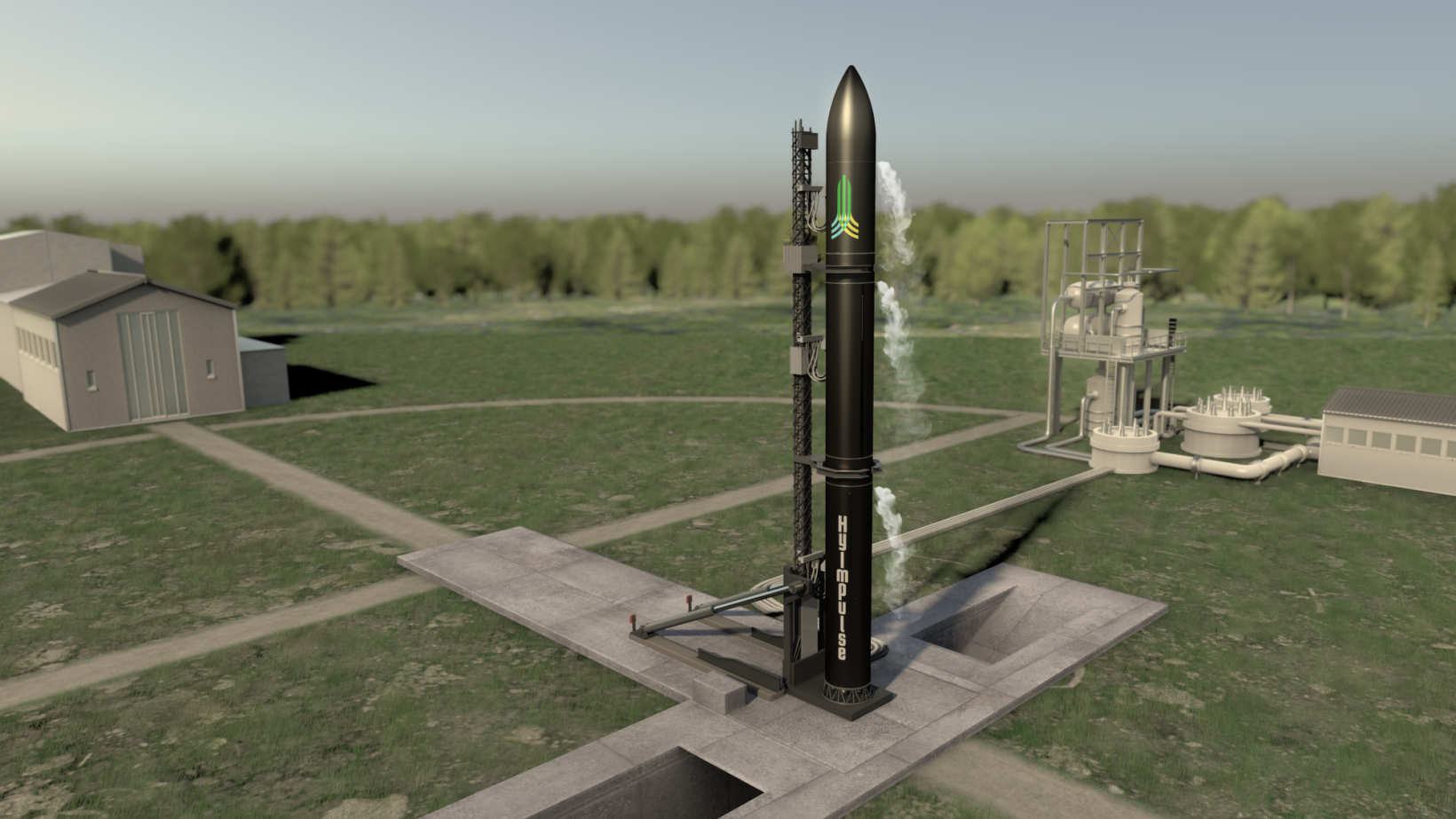
On this basis, HyImpulse has permission to attempt the maiden voyage of its SR75 rocket from Unst.
The launch can take place between December 1, 2023 and November 30, 2024, European Spaceflightreports.
SaxaVord hopes to make it happen before the end of the year.
The first orbital launch, meanwhile, has been earmarked for next summer.
Despite the progress, there are further obstacles ahead.
There are still facilities to build and a license to obtain.
Some tests, such as flight tracking trials, can only be passed when satellites are launched into space.
Only then will the spaceport have accomplished its initial mission.
Nonetheless, Hammond is already dreaming of the stars.
We could hit the moon from our location, he says.
But we are really an enabler for everything else.
Around his office on Unst, the construction is progressing as we speak.
Hammond still has revolution on his mind.
We had the Industrial Revolution and the digital revolution this could be a revolution of access to space.
Story byThomas Macaulay
Thomas is the managing editor of TNW.
He leads our coverage of European tech and oversees our talented team of writers.
Away from work, he e(show all)Thomas is the managing editor of TNW.
He leads our coverage of European tech and oversees our talented team of writers.
Away from work, he enjoys playing chess (badly) and the guitar (even worse).
