Check out the full event schedulehere.
Vinted CEO Thomas Plantenga has reason to celebrate.
His company recently becamethe firstpre-loved clothing platform to make a profit after a monumental 61% surge in sales.
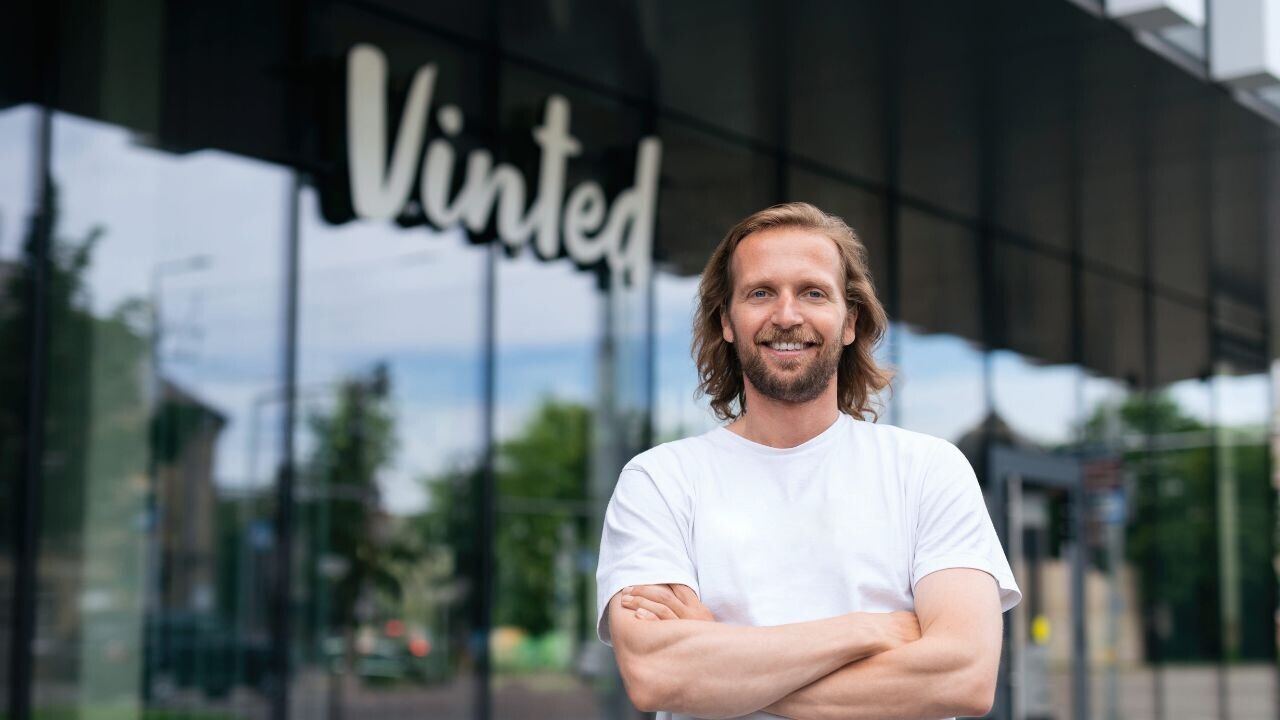
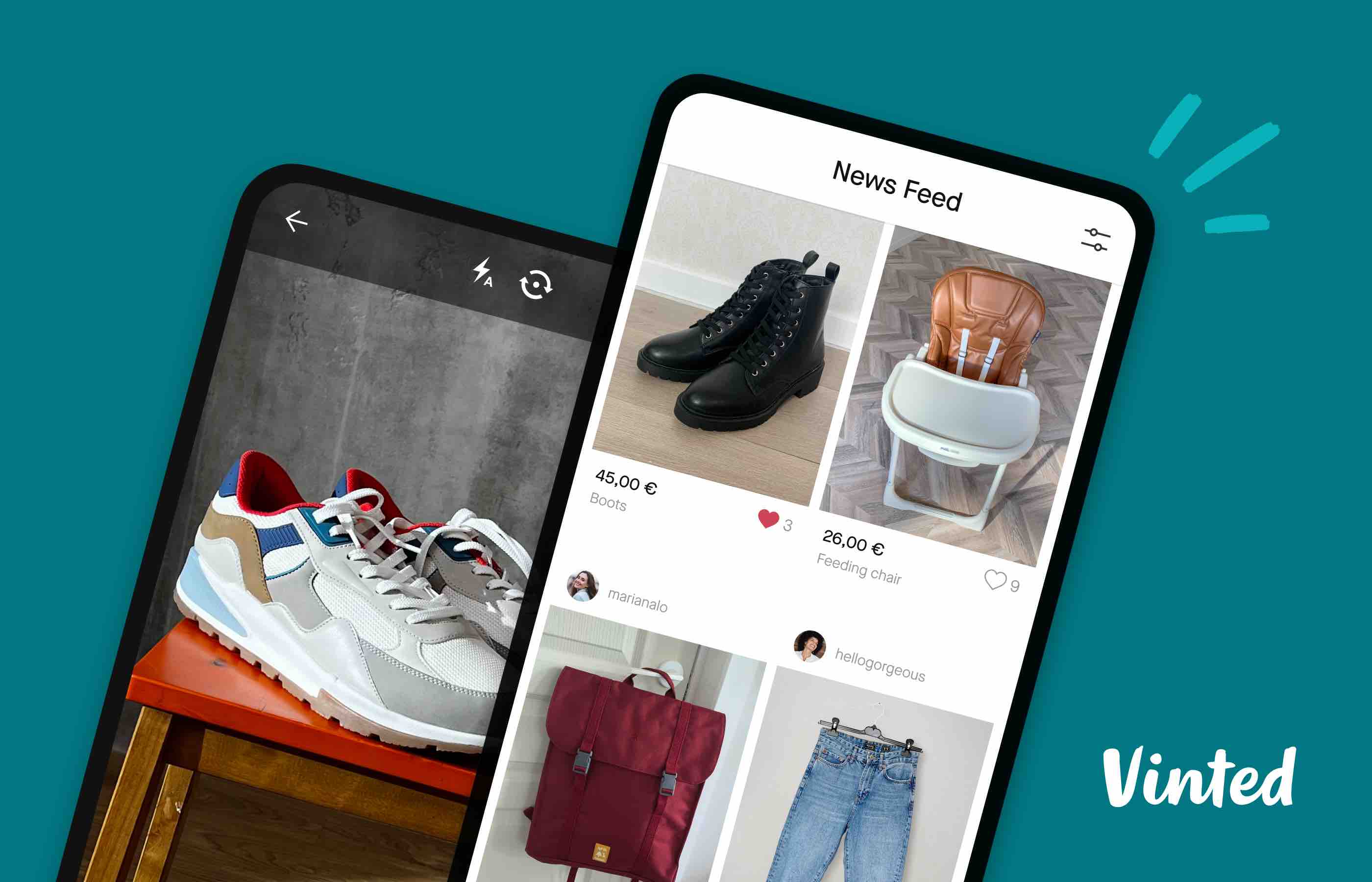
Its now firmly established as Europes largest online marketplace for second-hand fashion.
The results represent a remarkable turnaround.
When Plantenga joined Vinted in 2016, the company was on the verge of collapse.

The trouble emerged despite a promising start based on a common problem.
It was 2008 and Milda Mitkute, a 22-year-old Lithuanian, was moving into small student accommodation.
But her new home didnt have space for her old clothes.
It’s free, every week, in your inbox.
The duo decided to create a website to sell her surplus clothes.
Within a few weeks, they had launched the first version of Vinted.
The project quickly evolved into a popular platform.
But financial problems were bubbling under the surface.
Vinted was free for users and monetised through advertising.
Before long, those revenues barely covered the sites server costs.
Desperate for extra income, the company introduced a fee for sales.
The switch sparked uproar from users, who fled the platform in droves.
By 2015, the company was on the brink of bankruptcy.
Searching for salvation, Vinted sought advice from Plantenga.
Plantenga had also enjoyed success as an entrepreneur.
His track record impressed OLX, a Dutch online marketplace, which hired Plantenga as head of emerging markets.
It also impressed InsightVenture Partners, a VC firm that backed Vinted.
In 2016, theinvestorsinvited Plantenga to Vilnius to share his expertise.
I planned to stay for five weeks but never flew back to New York, Plantenga tells TNW.
Instead, he led Vinted through a momentous comeback.
A new market
The transformation began with tough restructuring.
Plantenga slashed the headcount, centralised his team in Lithuania, and closed offices overseas.
This was incredibly hard, but necessary for the companys survival, he says.
Plantenga also radically reshaped the business model.The biggest change was the removal of the seller fee.
We needed to support the sellers first to attract buyers, Plantenga says.
To spread theword, the companyembarked on a mass marketing drive.
Big TV campaigns launched in the platforms key markets.
From there, Plantenga recalls, the business began to grow again.
As the revenues rose,new investments began flowing into the firm.
In 2019,Vinted raised 128 million in an equityfundinground that valued the business at over 1bn.
Thestartuphad become Lithuanias first unicorn.
Two years later, the company raised another 250mn in Series Ffunding.
The round pushed Vinteds valuationto 3.5bn.
Vinted goes green
A steady stream of new features accelerated the upsurge.
The most ambitious of them all was a new shipping business.
NamedVinted Go, the brand delivers items to dedicated lockers and parcel shops in over 2,500 locations.
Across the whole journey between shop and pick-up point, the emissions drop by 42%.
More than a third of orders on the platform prevent the purchase of a new item.
Consumers are also expressing growing support.
One fifth of Vinted users would choose second-hand over new even if the price was the same.
The research has echoes across the industry.
Pre-owned clothing sales areset tomake up a tenth of the global fashion market in 2025.
Worldwide sales surged by 18% last year to $197bn (184bn).
By 2028, theyre forecast to hit $350bn (326bn).
In March, the benefits hit Vinteds bottom line with a bang.
After a 20.4mn loss in 2022, the company soared to a 17.8mn profit last year.
Trading tips
Vinted is now spreading across the globe.
The company recently expanded into Croatia, Greece, Canada, and across the Nordics.
Tastes vary in these markets, but successful strategies for users are universal.
Plantenga has several tips.
For sellers, he suggests listing items when theyre in season and using a variety ofkeywords.
Instead of just black t-shirt, for instance, they could try plain black, short-sleeve T-shirt with V-neck.
For buyers, meanwhile, he advises paying attention to details.
That means checking ratings, reviewing recommendations, or contacting sellers for more information.
Users can also tailor their feeds by setting up personal preferences for categories, sizes, and brands.
They can also follow members whose styles they like.
And if possible, use it for its full life,he says.
Thomas Plantenga is speaking at this yearsTNW Conference, which takes place on June 20-21 in Amsterdam.
If you want to attend, we have a special offer for our readers.
Were also offering a 50% discount for theWomen in Techticket.
Story byThomas Macaulay
Thomas is the managing editor of TNW.
He leads our coverage of European tech and oversees our talented team of writers.
Away from work, he e(show all)Thomas is the managing editor of TNW.
He leads our coverage of European tech and oversees our talented team of writers.
Away from work, he enjoys playing chess (badly) and the guitar (even worse).
