It’s free, every week, in your inbox.
One strategy they use is to take sides in existing debates.
The problem arises when people internalize disinformation as part of their identity.
While news articles can be fact-checked, personal beliefs cannot.
When conspiracy theories are part of someones value system or worldview, it is difficult to challenge them.
These debates are longstanding and can be very personal for participants on either side.

People already debate atheism v faith, evolution v creationism, and Big Bang v intelligent design.
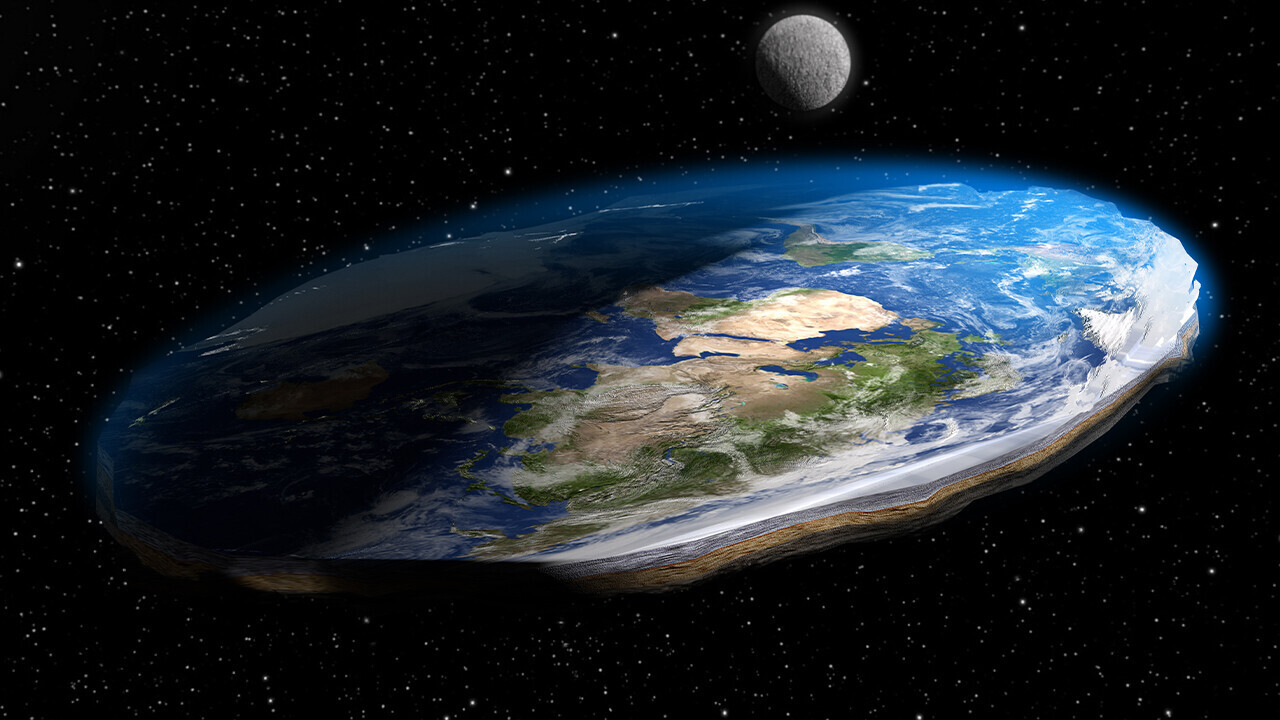
Indeed, the Earth does appear flat to the naked eye.
Freethinkers distrust experts who use book knowledge or nonsense math that laypeople cannot replicate.

Flat Earthers often use personal observations to test whether the Earth is round, especially through homemade experiments.
They see themselves as the visionaries and scientists of yesteryear, like a modern-day Galileo.
Possible counterarguments
Countering disinformation on social media is difficult when people internalize it as a personal belief.
Fact-checking can be ineffective and backfire, because disinformation becomes a personal opinion or value.
Responding to flat Earthers (or other conspiracy theorists) requires understanding the logic that makes their arguments persuasive.
Instead, it may be more appealing to propose a homemade experiment that anyone can replicate.
Even far-fetched misinformation and conspiracies can seem rational if they fit into existing grievances.
