Evolving views on food are challenging traditional diets and not just for humans.
Innovative dining options are also being added to the menus of our pets.
Startups have proposed numerous new ways to satiate their appetites.
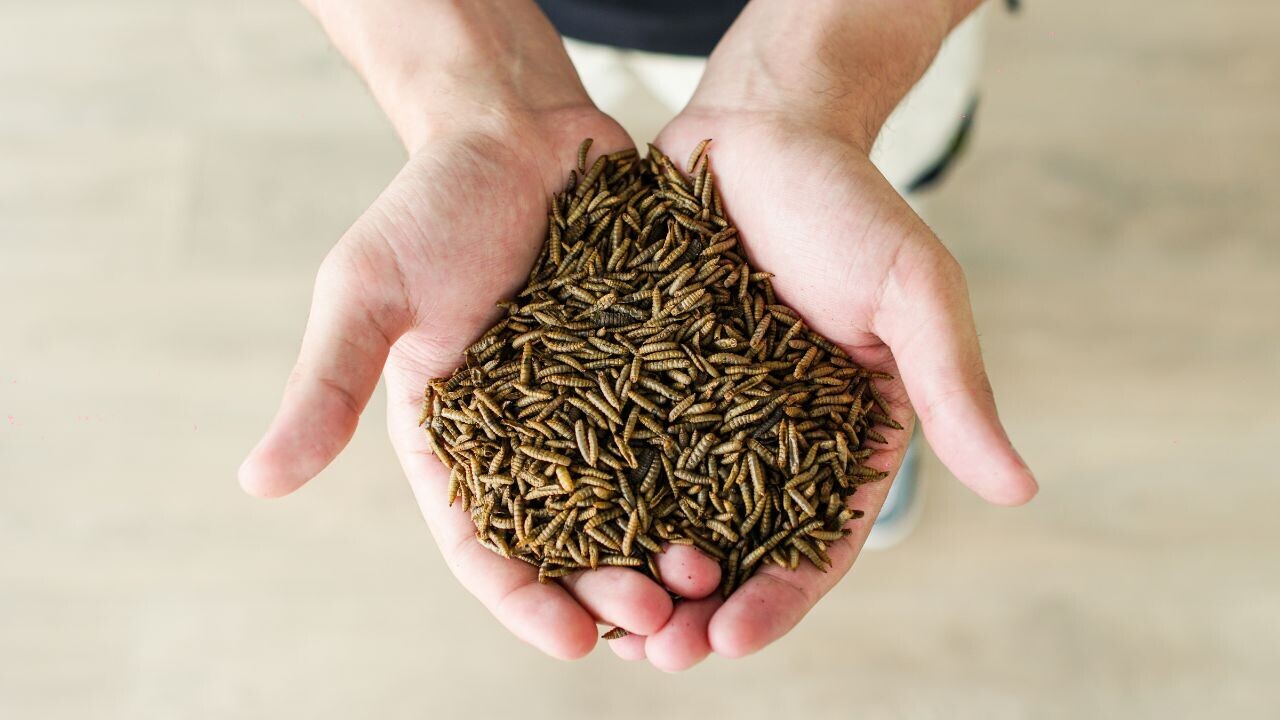
If none of those excites their palates, our furry friends could try a more avant-garde delicacy: insects.
Thats whats cooking in the kitchen ofFlyFeed, an Estonia-basedstartup.
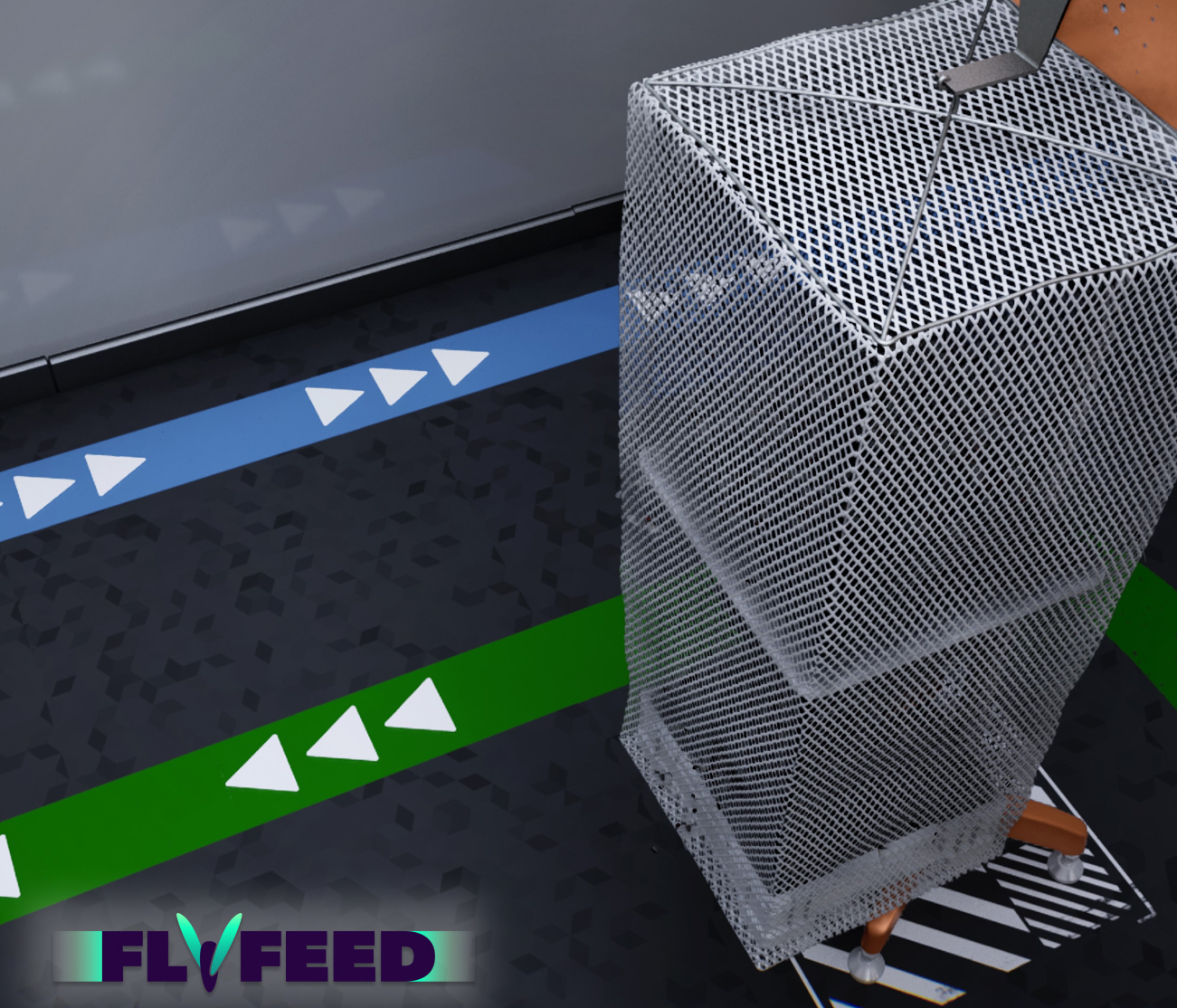
The company has developed an automated farming system that turns fly larvae into animal feed.

Its challenging for humans, but a no-brainer for animals.
Arseniy Olkhovskiy, who founded FlyFeed in 2021, said the concept emerged from research into malnutrition.
He concluded that insect farming can provide an affordable andsustainablesolution to protein shortages.
But he plans to feed animals before approaching humans.
Olkhovskiy promises theyre also highly palatable for pets.
He says that his own cat is a fan of the flavours.

FlyFeed uses another insect: black soldier flies.
This species has several attractions.
The larvae can convert organic waste into edible protein for animal consumption and fertiliser.
Protein from the farm will be incorporated into comestibles.
FlyFeed plans to deliver the first commercial batch of the product next year.
Annually, the company aims to convert 40,000 tonnes of waste into 17,500 tonnes of insect products.
The output will be split between proteins, fats, and fertilisers.
If all goes well, the early produce will provide a stepping stone to human consumption.
First, we need to scale it, said Olkhovskiy.
According to Olkhovskiy, other insect farming startups have struggled to market their food to humans.
Hes chosen to instead focus on the operational and technological challenges.
Once theyve been overcome, Olkhovskiy plans to distribute the produce in countries where malnutrition is most critical.
He expects to drive adoption through a low price point.
In Europe, however, the low prices are yet to create demand.
According toa 2020 EU report,only 10% of Europeans are willing to swap meat for insects.
There are, however, signs that attitudes could change.
A study published last December found people were more open to eating insects after learning about the environmental benefits.
Regulators are also starting to embrace the possibilities.
In January, the EUapproved the saleof house crickets and larvae for human consumption.
Still, it seems unlikely that well all be eating flies in the near future.
But perhaps our pets can convince us to give them a try.
Story byThomas Macaulay
Thomas is the managing editor of TNW.
He leads our coverage of European tech and oversees our talented team of writers.
Away from work, he e(show all)Thomas is the managing editor of TNW.
He leads our coverage of European tech and oversees our talented team of writers.
Away from work, he enjoys playing chess (badly) and the guitar (even worse).
