The digitisation of cars has made comparisons to data centres on wheels so common that theyve become cliched.
Its also built a booming market for tech firms few of which have capitalised as adeptly as Arm.
Around 95% of the worlds smartphones use Arms technology.
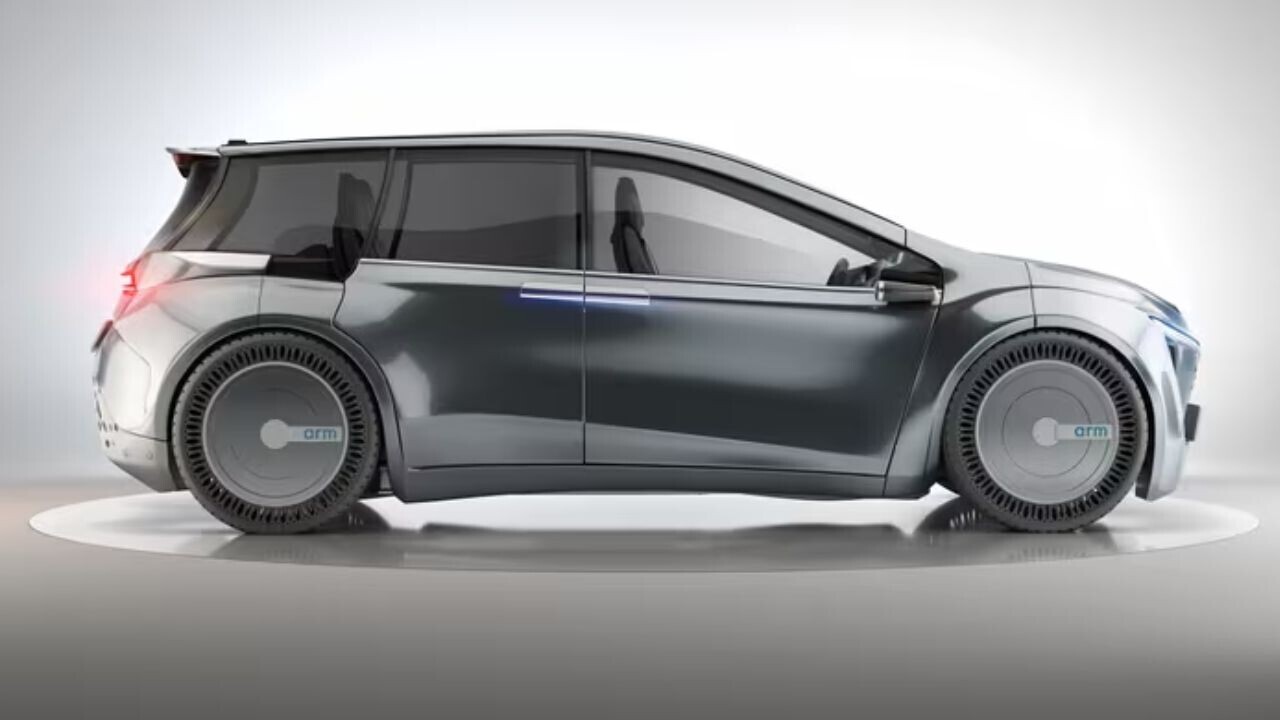
In recent years, however, the companys fastest-growing division has been the automotive unit.
Arm has reportedlymore than doubled its revenues from the sectorsince 2020.
40% off TNW Conference!
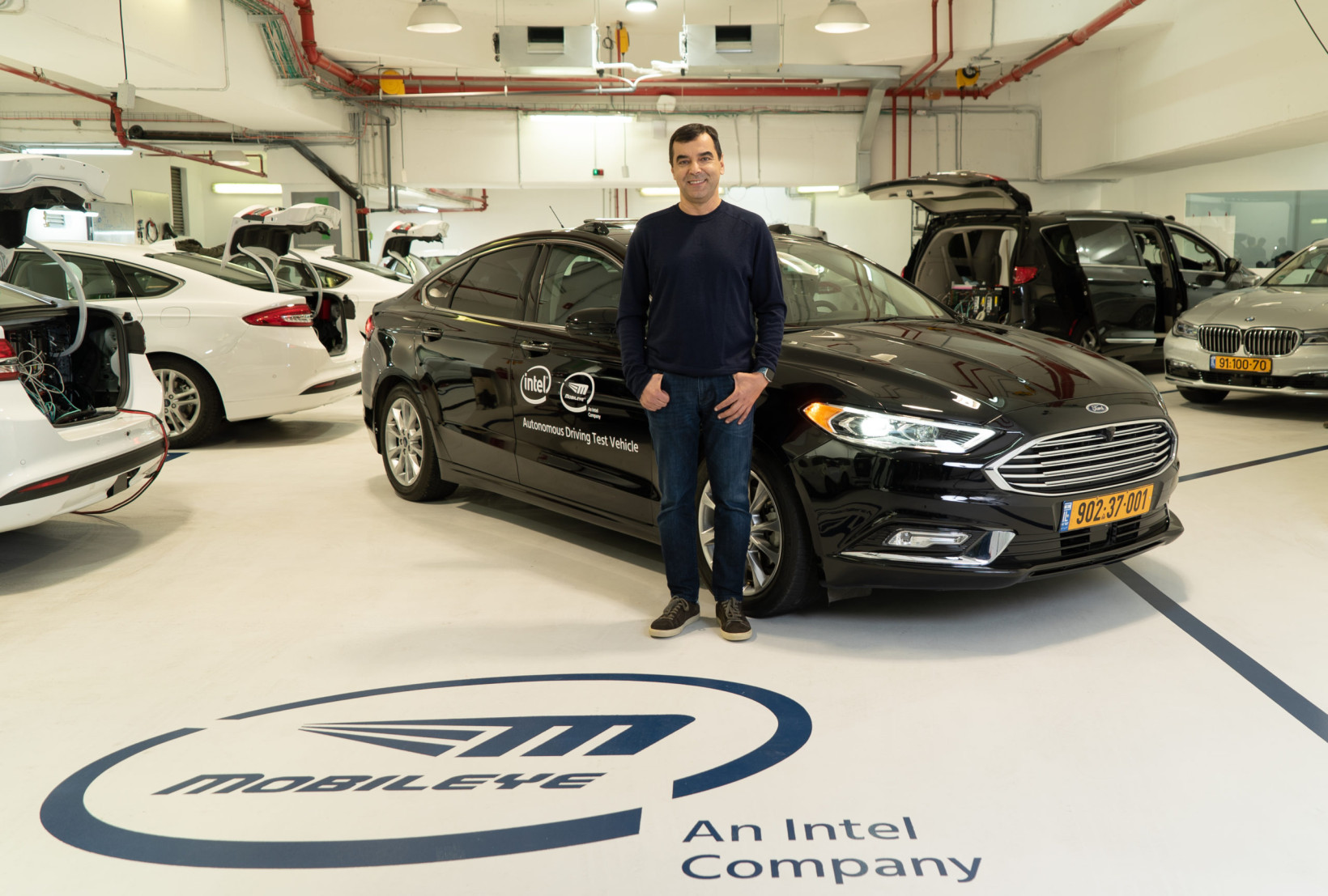
As the company prepares for a long-awaited public listing, Laudick gave TNW a glimpse into his automotive strategy.
Electric avenues
Gradually, EVs are engulfing the car market.
To serve this growing market, automakers have to integrate a complex new collection of electronics.

When you do that, it becomes a lot more complicated system, says Laudick.
The result is firmer foundations for more digital features.
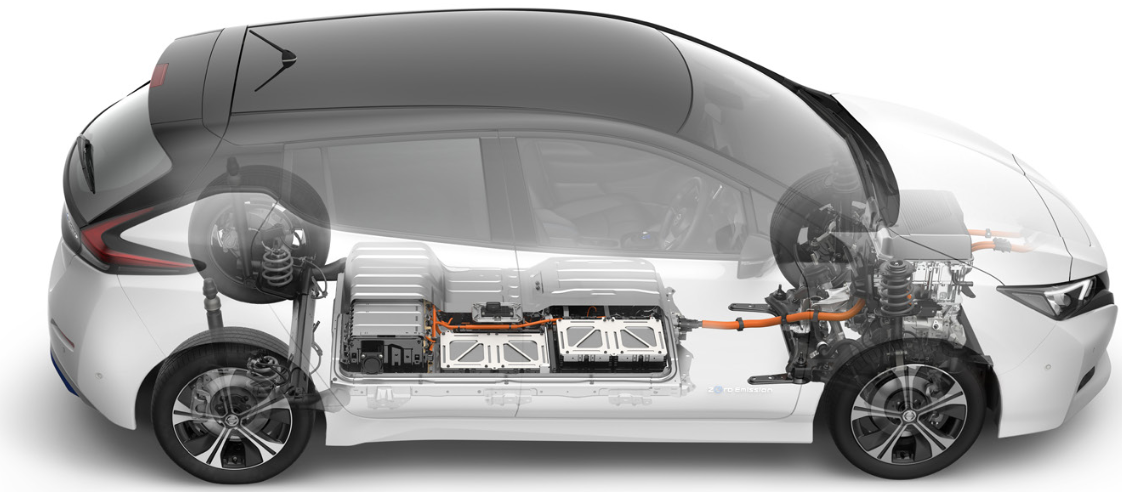
Take the all-electric Nissan Leaf, which runs Arms Cortex-R4 processor alongside an electric powertrain.
In this tiny computation window, the system has to deliver efficient, responsive, and precise control.
Its a convenient package of features, but one that reimagines the whole foundations of a car.
Theyre now rapidly replacing their hardwarewith digital operations.
The shift has fostered a concept called the software-defined vehicle.
It equates to more powerful electronics.
Thats where Arm wants to step in.
From our perspective, it basically equates to more electronics and more powerful electronics, says Laudick.
Autonomy rules
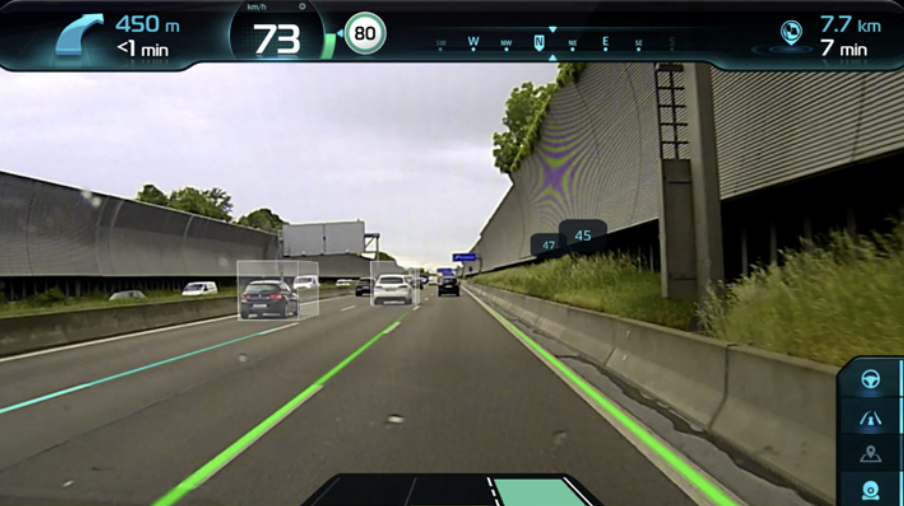
The transition toEVshas coincided with an expansion of autonomous features.
As a result, the applications for Arms architectures are proliferating.
The more autonomous functionality we drive into cars, the more exponential the compute demands are, says Laudick.
As the use cases expand, so does the demand for chips and the rules that surround them.
Both EVs and autonomous features are being pushed by regulators.
Governments are encouraging electrification for environmental reasons, and autonomy for accident prevention.
In the EU, several safety features will soon become compulsory.
This will make all of us safer.
The lawmakers made a compelling case for their intervention.
In 2018, around 25,100 people died on EU roads, while 135,000 were seriously injured.
According to EU estimates, ISA alone could reduce the fatalities by 20%.
This will not only make all of us safer, but also help drivers to avoid speeding tickets.
Its a similar story for electric vehicles.
According to the European Commission, cars are responsible for12%of total CO2 emissions in the EU.
In addition, already from 2030 their emissions must be 55% lower than they were in 2021.
The targets aim to accelerate electrification.
In theory, this should benefit drivers, passengers, pedestrians and Arm.
The shift to the software-defined vehicle has also stimulated another IT feature: updates.
Historically, vehicle software was not only rudimentary, but also fairly static.
Today, thats no longer the case.
Theres an opportunity to continue to add to the functionality of the vehicle over its lifetime, says Laudick.
As cars begin to resemble personal devices, consumers can expect a comparable update service.
Carmakers are also becoming savvier about software.
For example, General Motors self-driving unit, Cruise, is now developingits own computer chipsforautonomous vehicles.
The instruction sets low costs and flexibility have createda threatto Arms automotive ambitions.
Arm is just not going to have its super dominant position in five or 20 years.
Theres been a move to create more flexibility.
Currently, however, RISC-V could be regarded as riskier than Arms established standards.
In a further challenge to RISC-V, Arm is gradually becoming more open.
We obviously attempt to control the products reasonably well, otherwise we just end up with a wild west.
RISC-V is far from Arms only challenger.
Established rivals such asInteland Synopsys are also fighting for a chunk of the expanding market for automotive chips.
Nonetheless, Laudick is bullish about the future.
By 2030,McKinsey predictsthat vehicles will expand to roughly 300 million lines of code.
Story byThomas Macaulay
Thomas is the managing editor of TNW.
He leads our coverage of European tech and oversees our talented team of writers.
Away from work, he e(show all)Thomas is the managing editor of TNW.
He leads our coverage of European tech and oversees our talented team of writers.
Away from work, he enjoys playing chess (badly) and the guitar (even worse).
