Onions, potatoes, lettuce, carrots, rhubarb, cherries, you name it.
Little did they know that their homegrown produce was likely poisoning them.
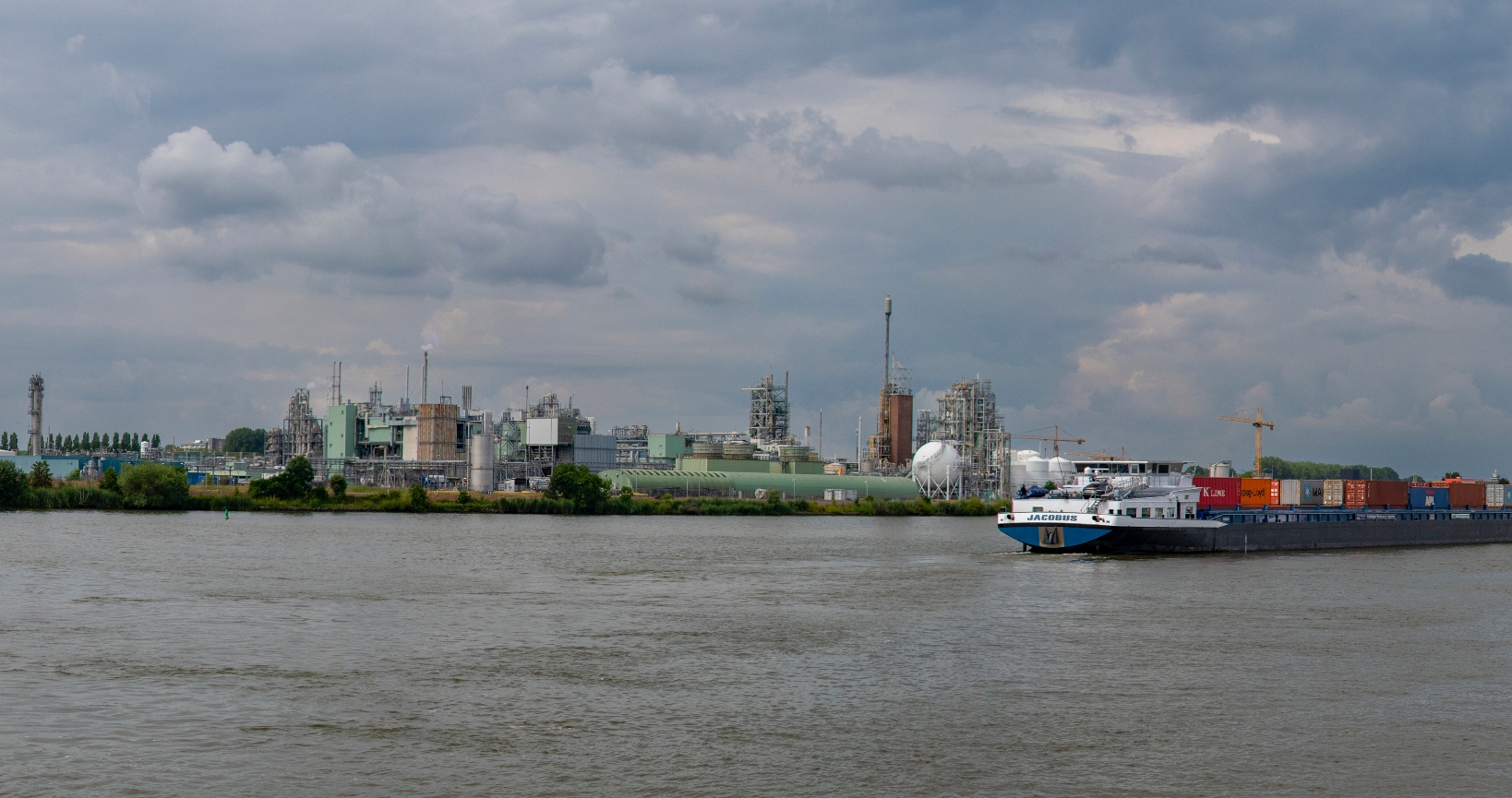
A recentcourt casefound that the American conglomerate knowingly dumped PFAS chemicals into the environment around Dordrecht for decades.
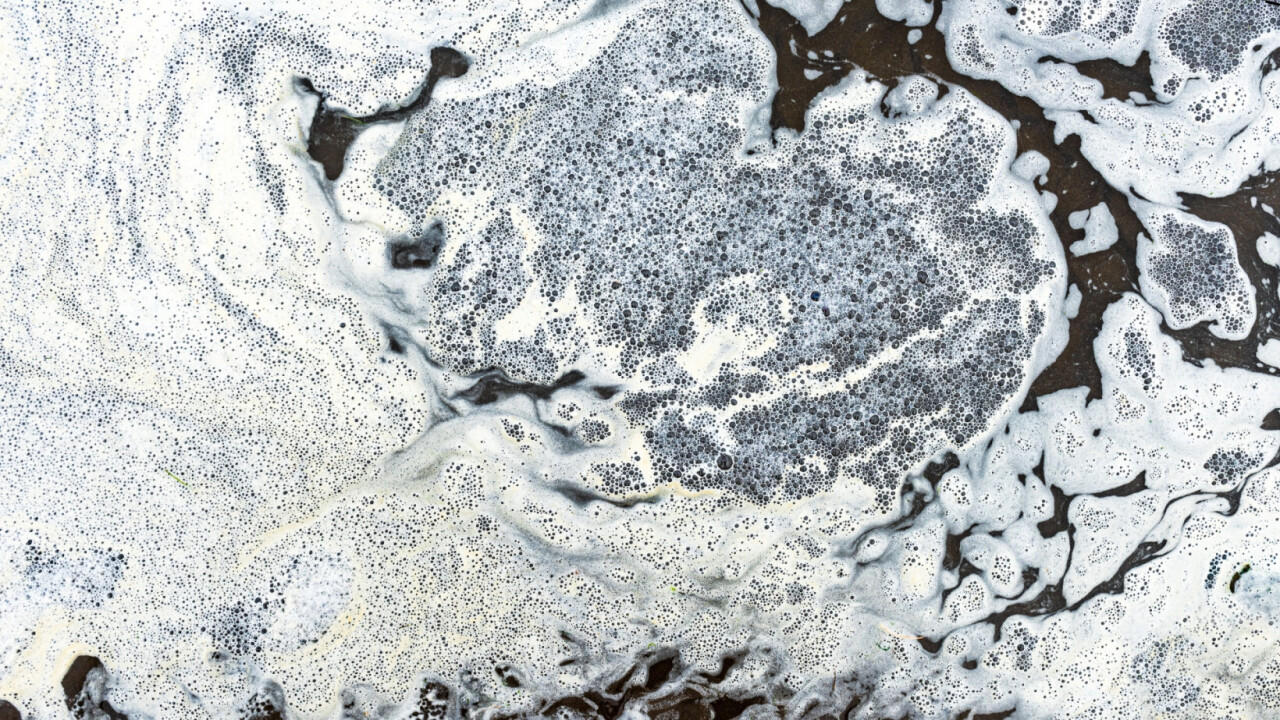
They are found in thousands of products, from microchips and firefighting foam to food packaging and non-stick cookware.
40% off TNW Conference!
Researchers have linked PFAS to decreased fertility, birth defects, and a multitude ofcancers.
He is seriously ill.
He has both skin cancer and chronic leukaemia.
Public and regulatory pressure to phase out PFAS production is mounting.
Citizens are more aware of the issue than ever before.
EU politicians from five member states have proposed a total ban on PFAS.
Even major investors areurging chemical companiesto clean up their act.
Yet, PFAS manufacturers and their industrial customers are pushing back.
They argue that the chemicals are critical to the green transition and that a ban would reduce European competitiveness.
Destroying forever chemicals, forever
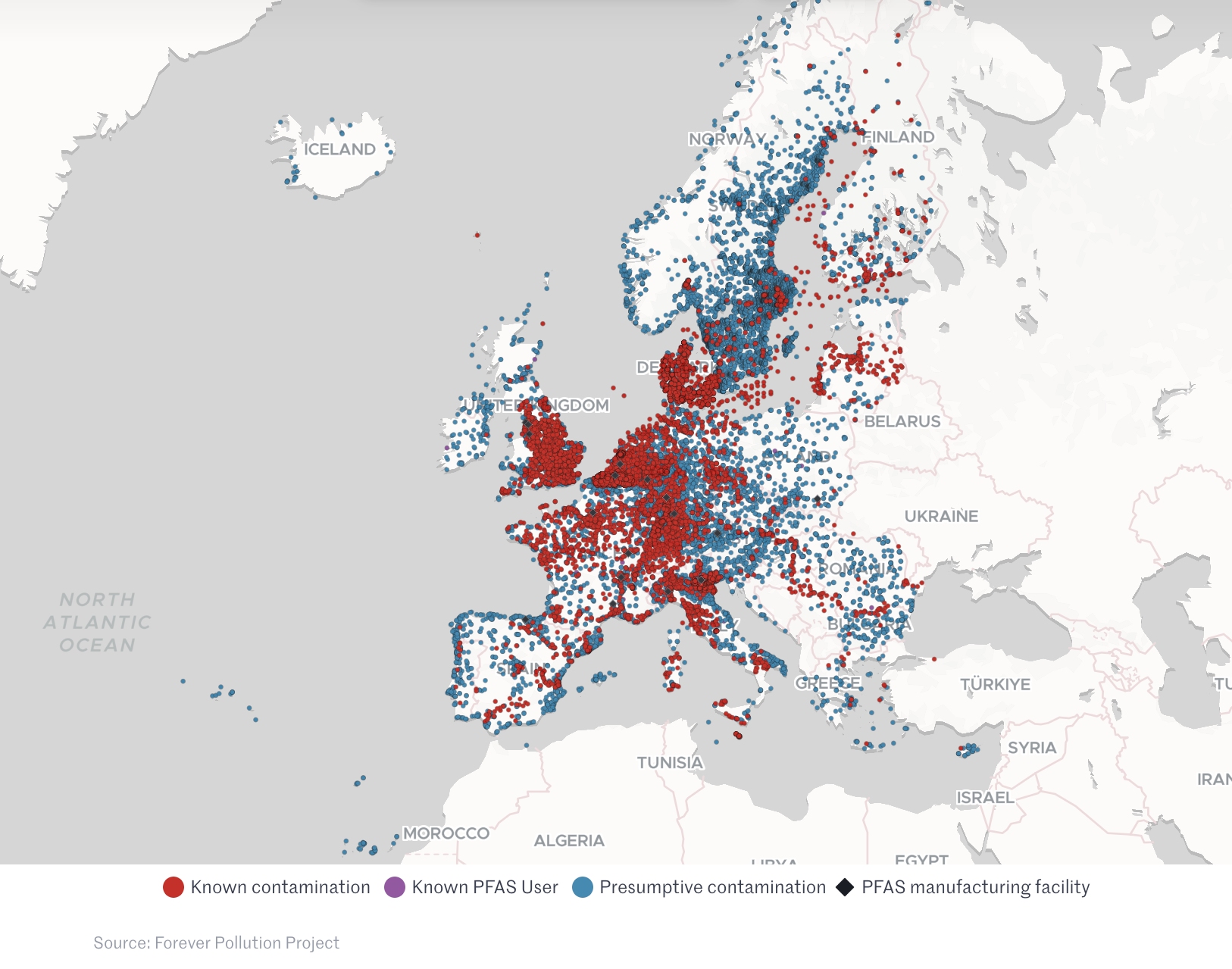
A recentcross-border investigationidentified 17,000 sites across Europe polluted with PFAS.
Of these, over 2,000 had levels of the chemicals that far exceeded the limit considered safe for humans.
There are a range of carbon and resin water filters that remove PFAS from water.
Most water treatment facilities already use these filters in a process called reverse osmosis.

But theyrefar from 100% effective.
Nor do they destroy the compounds.
Incineration was long considered the only way to break down PFAS permanently.
However, it is energy intensive and studies have shown that it may just disperse the chemicalsinto the airinstead.
But it can be done.
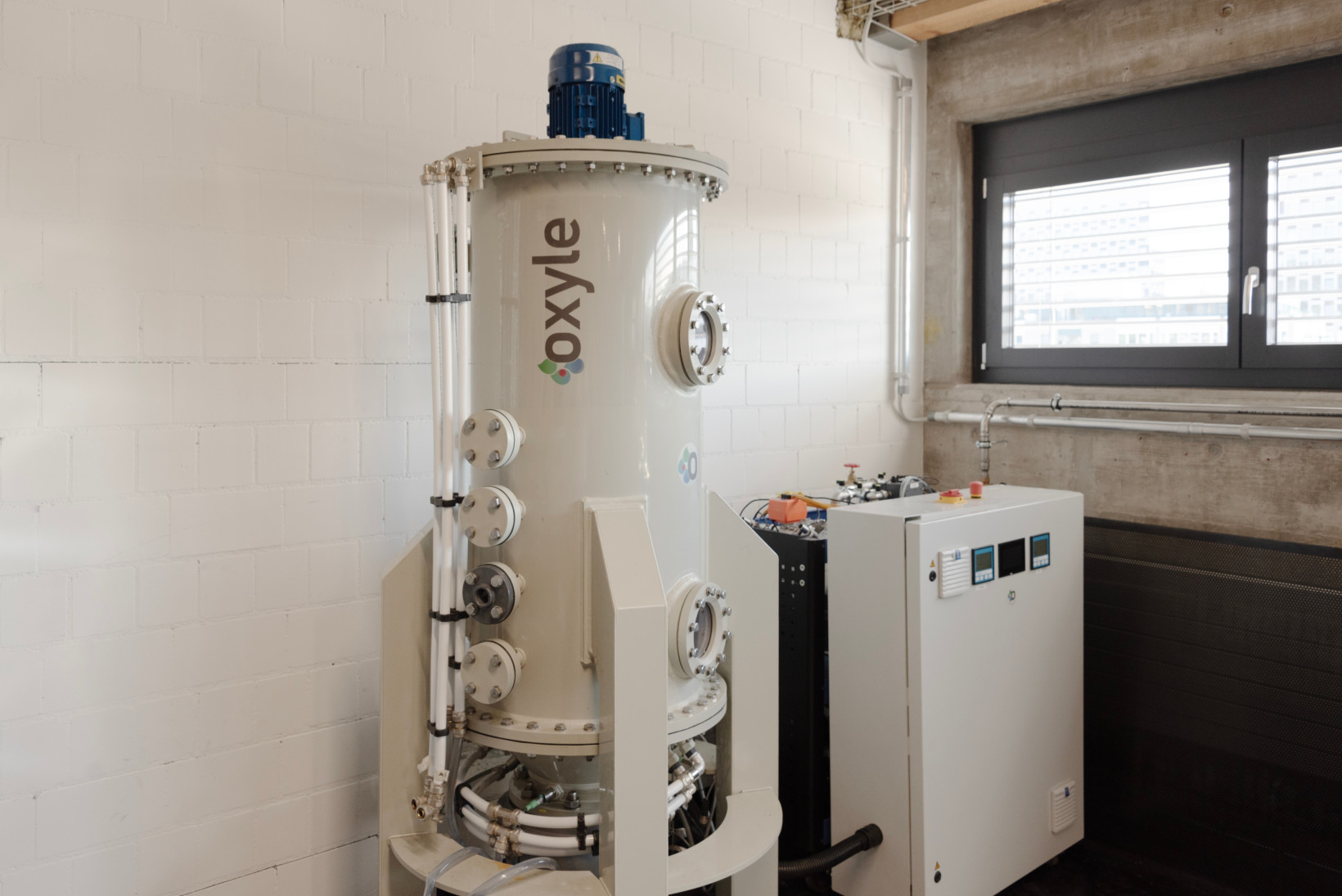
Key to the reaction is a so-called nanoporous catalyst.
Mushtaq spent over 10 years developing this novel material during her time as a researcher at ETH Zurich.
The machine sucks up contaminated water into a chamber where it comes in contact with the catalyst.
The reactor then vibrates, bubbles, and lights up the water.
This motion activates the catalyst, which converts the energy into potent chemical radicals.
These highly reactive, electrically charged molecules oxidise anything in their path, including PFAS.
Only minerals and water remain.
This solution can be safely discharged back into the water supply.
Oxyles unit uses machine learning algorithms to sieve through data from built-in sensors.
The startup recently completed a large-scale PFAS clean-up project for a chemical company in Switzerland.
Were pretty much the only company in Europe doing this [PFAS destruction], says Mushtaq.
But more and more are popping up, especially in the US.
The potential for growth is huge.
Washington-based Aquagga is another startup taking aim at PFAS.
It has developed what it calls a pressure cooker on steroids.
The unit subjects water to extremely high temperatures and pressure, in an alkaline environment.
The process completely breaks down the PFAS molecules.
The US Environmental Protection Agency (EPA) recently passed theworlds strictest requirementsfor PFAS levels in water.
The law is expected to launch the market for companies like Oxyle and Aquagga.
TheEuropean Chemicals Agencycalled it one of the broadest restriction proposals in EU history.
And lawmakers arent the only ones calling on chemical companies to clean up their act.
ChemSec advocates for stricter regulation of toxic chemicals.
Victims alleging harm from PFAS have lodged almost 10,000 lawsuits since 1999, according to areport.
But 3M is more the exception than the rule most big players are digging in their heels.
One of them is Chemours.
Chemours is still investing heavily in PFAS production.
The products we produce are critical to many advances in clean energy and decarbonisation.
In chipmaking, PFAS products perform various key functions, for example, in the lithography manufacturing process.
Makers and users of PFAS have formed alobby groupto fight against the EU ban.
PFAS can be a solid, a liquid, or a gas.
Some, like PFOA and PFOS, have been found to be especially dangerous.
Essentially, it would be like regulating olive oil the same as motor oil because they are both hydrocarbons.
The case for broad restriction
The EU has banned PFAS before.
All PFAS are persistent and accumulate in the environment and living things.
The vast majority of PFAS are not going toward critical applications, he says.
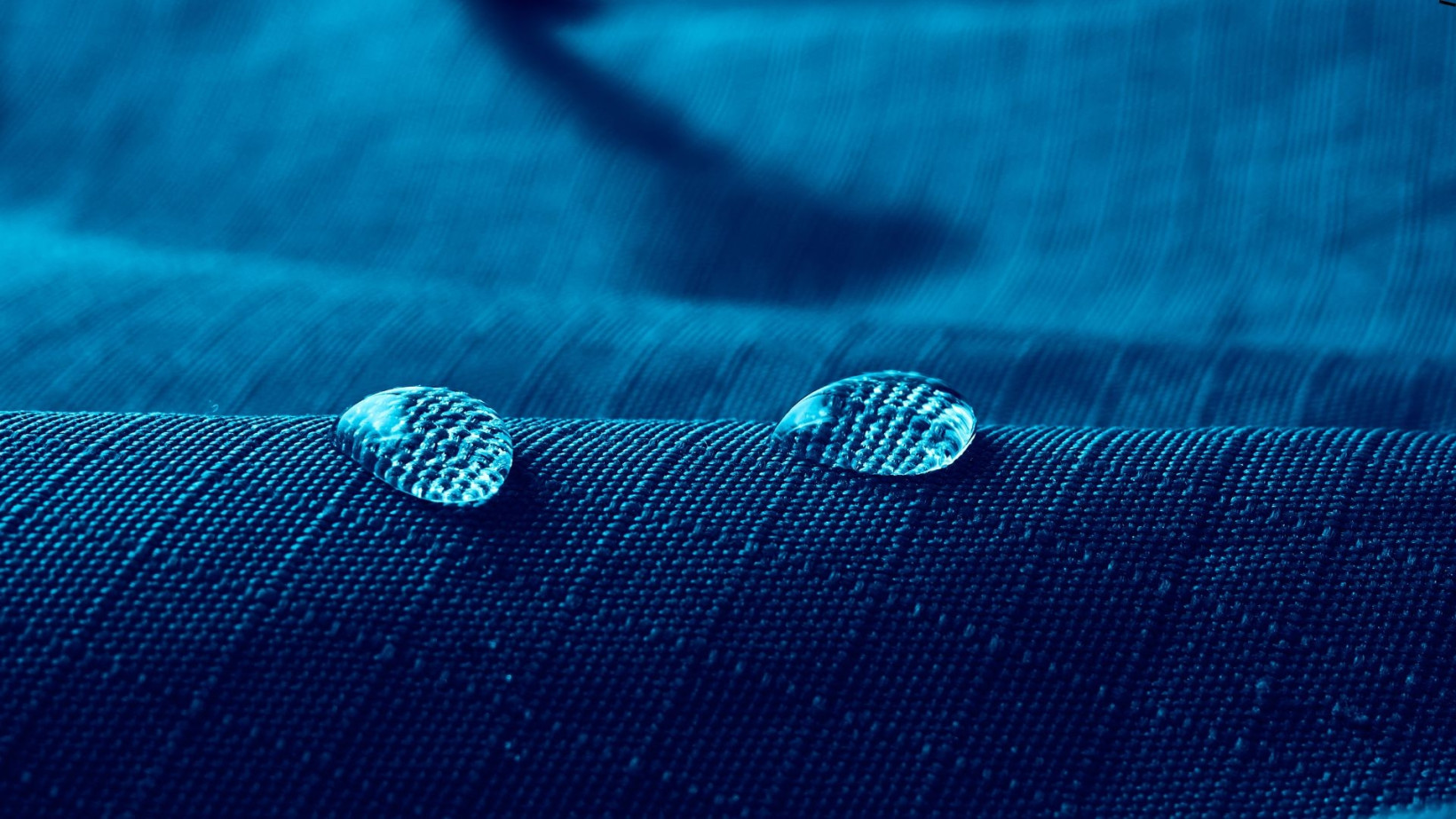
DubbedOrganoTex, the biomaterial mimics the properties of lotus leaves, which naturally repel water.
In the Netherlands, Eindhoven University of Technology spinout Solarge has made a PFAS-free solar panel.
But its not just early-stage companies working on solutions.
Japanese ink producer DIC has developed new PFAS-free surfactants for semiconductors.
Mitsubishi Corp. has invented ahard-to-burn plastic materialthat can replace fluoropolymers in smartphones and laptops.
Chemsec works with PFAS manufacturers to explore ways to scale safer alternatives.
A long road ahead
The EUs PFAS restriction proposal could come into effect as early as 2026.
It would also restrict the import of products containing the chemicals into the bloc.
However, whether the proposal will come into force is far from certain.
EU states may also be unwilling to make any move that could harm their competitiveness.
This is especially true as the bloc looks to cut its reliance on foreign imports of key technologies.
Theres a risk that the EU-wide ban will be watered down, says Kleimark.
In the meantime, PFAS production continues pretty much unabated.
Whats clear is that the green transition should not justify continued PFAS production.
Nor doesone negate the other.Safe alternatives are out there we just need to scale them up.
If theres one thing PFAS manufacturers can teach us is that where theres a will theres a way.
Story bySion Geschwindt
Sion is a freelance science and technology reporter, specialising in climate and energy.
