Did you knowSHIFT is taking the stage this fall?
On Friday, US Democratic lawmakers proposed anew billincreasing the current $7,500 tax creditfor electric vehicles.
And while this seems like a very promising step, in reality the credit expansion favors only particular automakers.
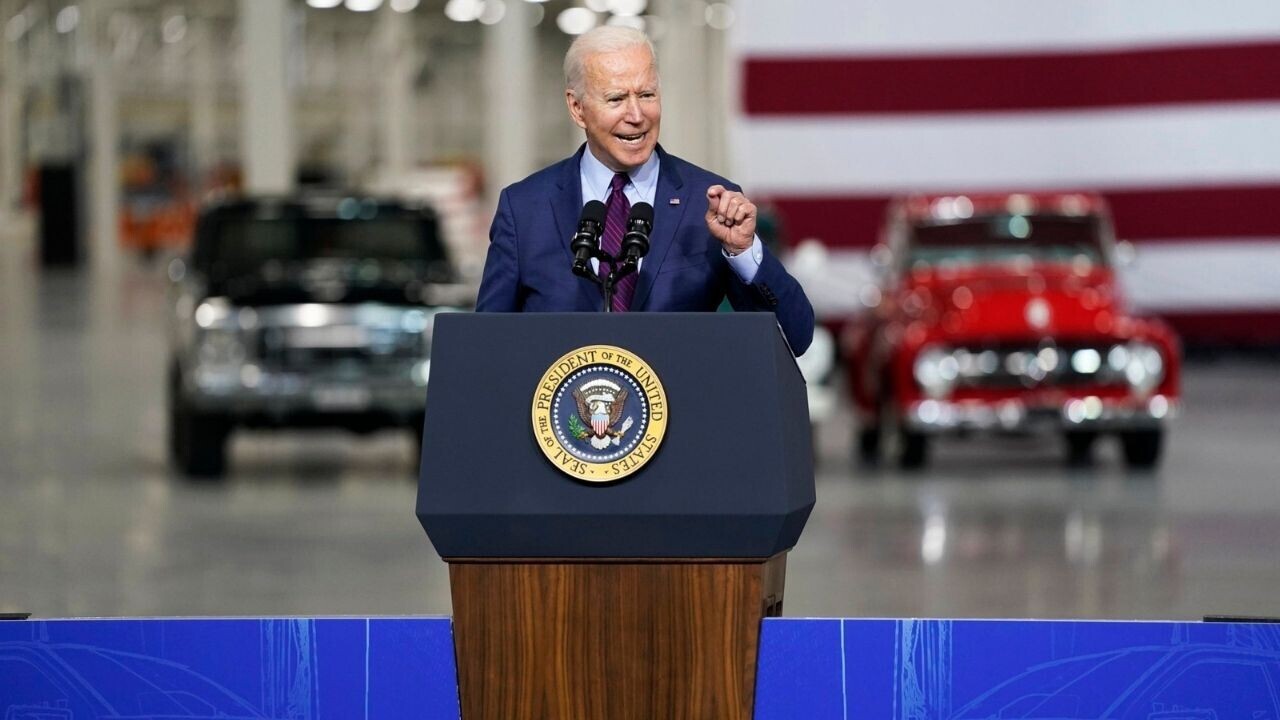
The bill now suggests that consumers can claim an added $4,500 for vehicles assembled at a domesticunionizedplant.
In contrast, EVs that are American-made, but not union-built, qualify for a mere $500 extra.
Unionization: who wins or loses
40% off TNW Conference!

On the opposite side stand foreign automakers operating in the States and American Tesla as well.
Toyota said in a statement that the plan discriminatesagainst American autoworkers based on their choice not to unionize.
Is the bill unfair?
The answer is rather complicated and there are two sides of the story.
The bill can be unjust.
This means that unionized workers make up only 1 in 10 employees.
In the case of consumers too, the bill incorporates a form of inequality.
The billcan provide long-term benefits.
However, pushing the labor movement into the emerging green energy industry is bound to bring about controversial views.
Do EVs excite your electrons?
Do ebikes get your wheels spinning?
Do self-driving cars get you all charged up?
Story byIoanna Lykiardopoulou
Ioanna is a writer at TNW.
With a background in the humanities, she has a soft spot for social impact-enabling technologies.
