Mobility pundits have promised us a future where drones would seamlessly deliver goods to our doors.
Most of us are still waiting.
The logic of drone delivery is to provide a sustainable option for last-mile shipping.
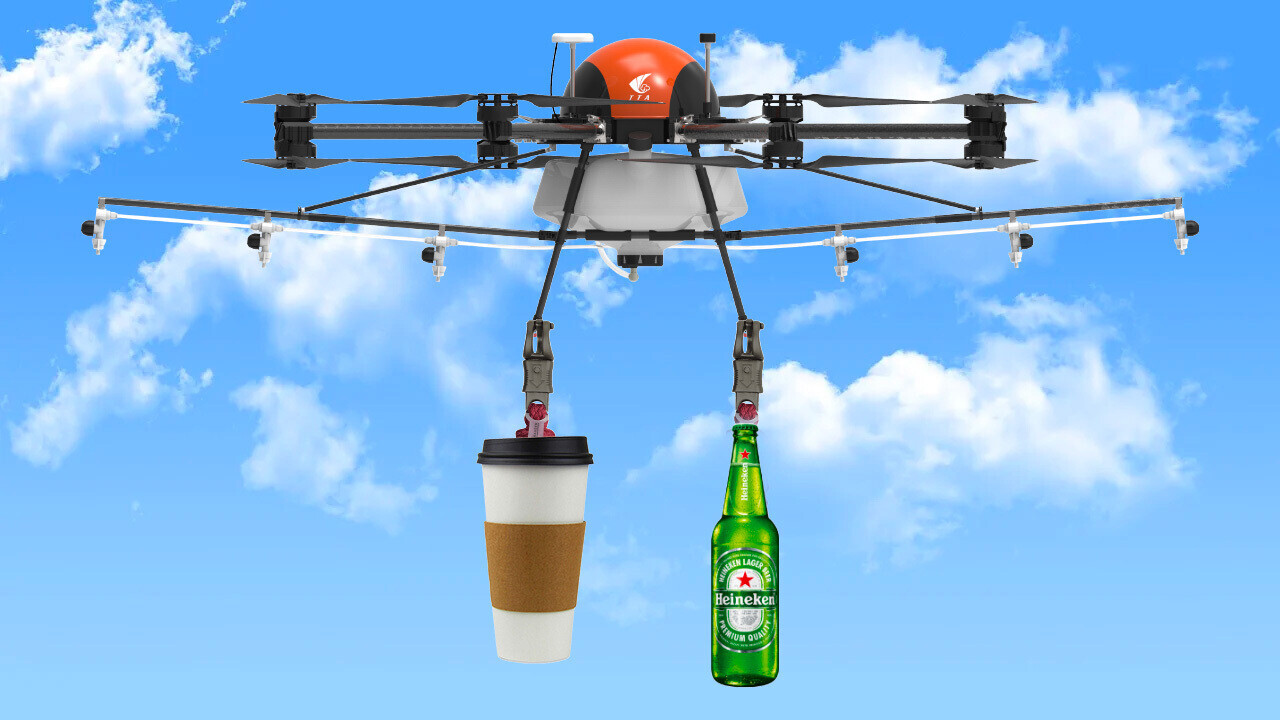
Rather than a singledriver dropping off packages at dozens of homes, separate drones can simultaneously transport goods.
But has the trend evolved beyond the hype?
And when can we expect actual drone delivery?
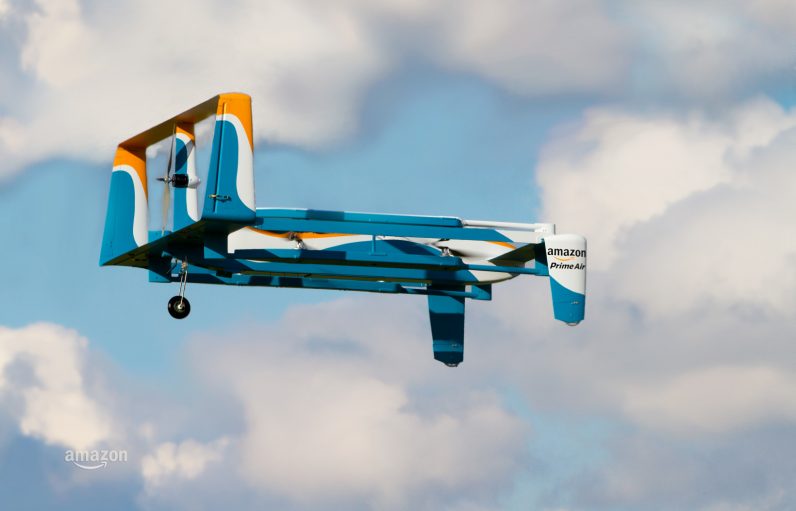
Amazons history of drones
Perhaps the best-known investor in the tech is Amazon.
The company announced an experimental drone delivery servicewith great fanfareas part of a60 Minutesfeature in 2013.
But its been slow going.
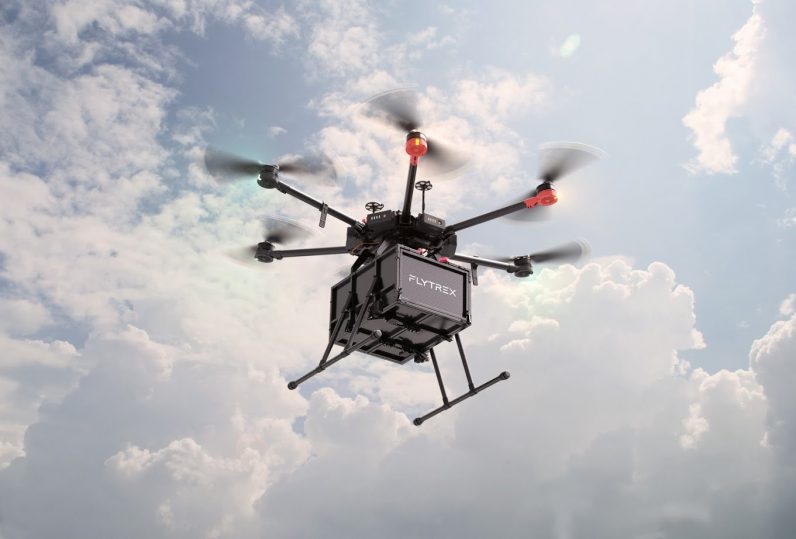
Alphabet subsidiaryWingand Flytrex have long overtaken Amazon.
In August 2020,Amazon Prime Airreceived the Federal Aviation Administrations permission to conduct drone operations.
He took it out of a fridge and popped it open at his desk.
Amazon drones have failed.
But there are a lot more companies in the space who want to fly to you.
How many drone deliveries are actually happening?
They estimate that more than 2,000 drone deliveries are occurring each day across the world.
In 2021, Wing completed just over 100,000 drone deliveries in Australia.
In the first two months of 2022, they surpassed 30,000.
What are the downsides to drone deliveries?
The only way to improve its capability is to increase the number of rotors in the drone.
So theres still a lot of R&D to be ironed out.
Besides the logistical challenges in rolling out and scaling these delivery businesses, there are other problems.
For example, the impact of drones on birds and animals is unknown.
In 2015, two eaglesmistook a drone for foodin Austria and similar incidents are bound to keep occurring.
Video-equipped drones also raise privacy questions.
No one wants to be filmed in their backyard and through windows.
Cameras are deployed for safety reasons.
However, its unclear how many companies record these flights, and what they do with the footage.
Sound is another issue.
Do we really need delivery drones?
Even here in Berlin, supermarkets now do next-day delivery.
Online retailers like Amazon often have next day or day after delivery.
And, in some places,on-the-ground delivery robotsare a thing.
Combined, this paints a crowded delivery picture.
The biggest differentiator to most customers is price and speed.
Amazons promise of 30 minutes or less drone deliveries just doesnt seem all that exciting.
Overall, its hard to predict if (or when)delivery droneswill ever go mainstream.
They make a lot of sense, especially in rugged areas which are hard to reach by ground transport.
Their speed and airborne status give them huge green cred.
Dronedeliveries will happen the question is how quickly business cases are tightened to enable them.
Story byCate Lawrence
Cate Lawrence is an Australian tech journo living in Berlin.
