Imagine a cup of tea.
Wrap a piece of string around the circumference of the cup, and measure the length of the string.
Finally, divide the circumference by the diameter, and record the result.
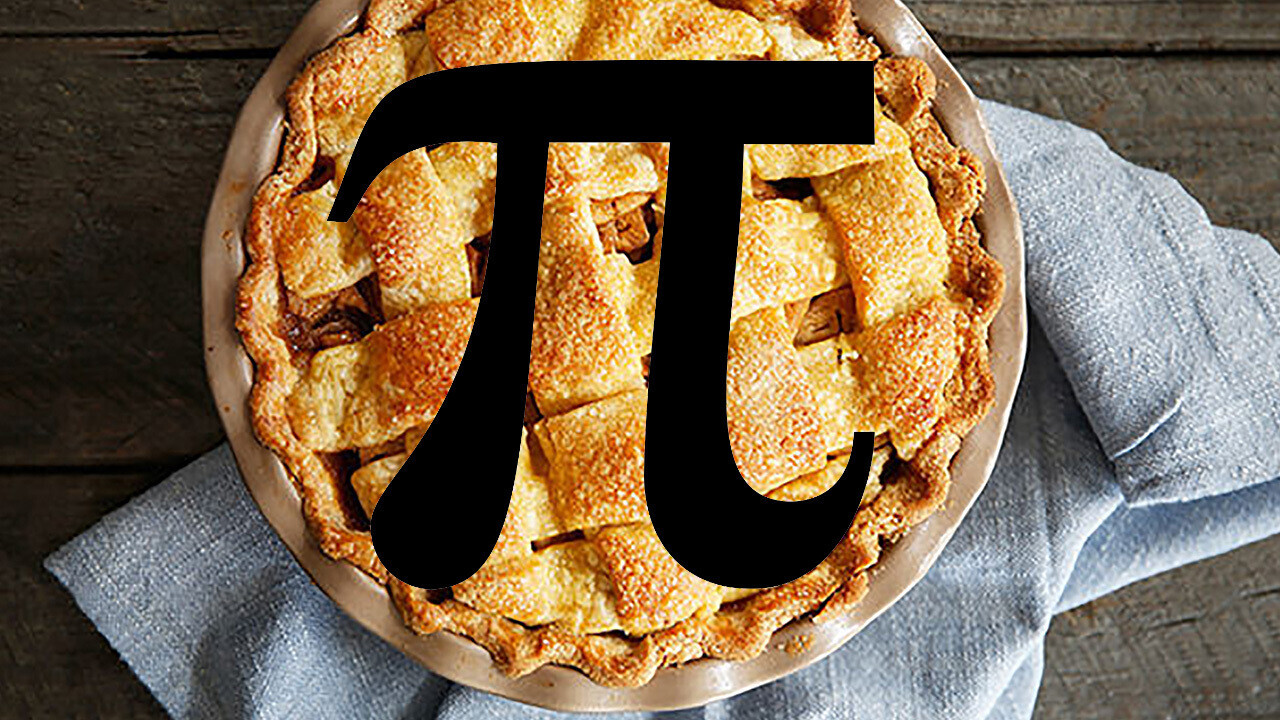
Next time you eat soup, repeat the process with the bowl.
You just stumbled upon a universal law of circular objects.
But the fascination with the number pi goes back millennia.

It’s free, every week, in your inbox.
Flat geometry, also known as Euclidean geometry, is the universe of mathematical objects where pi exists.
Being just a simple ratio, how hard could it be?

A millennium would pass before further significant advances led the 14th-century Indian mathematicianMadhava of Sangamagramato reach 11 decimal places.
Progress accelerated with better analytical tools.
With modern computers, as of August 2021, the record stands at62.8 trillion digits.
As the knowledge of the digits of pi expanded, people tried to detect a pattern.
The number pi is simple to define and captures a fundamental geometric fact.
At the same time, computing it was a challenge for some of the best mathematicians who ever lived.
In a sense, it can never be fully captured by simple computations.
Pi Dayfalls on March 14, or 3/14 according to the American dating system.
Its celebrated by the recitation of pis digits and the enjoyment of round pies.
As profound as eating pies is, pi has generated an entire literary style.
This is an example of a piem.
There are many more piems in English, as well as in various other languages.
If youre feeling creative and want to test your Pilish, here is aPilish checkeryou can use.
Alternatively, eating pie isnt a bad way to celebrate all things fascinating about pi.
