If it works so well for UPS, should cities seek to eliminate left-hand turns at intersections too?
My research suggests the answer is a resounding yes.
Part of my work focuses on how city streets should be organized and managed.

Why are left-hand turns so bad?
Traffic signals make things safer by giving vehicles instructions on when they can move.
When drivers make left turns, they must cross oncoming traffic, which makes intersections much more complicated.
It’s free, every week, in your inbox.
One way to accommodate left turns is to have vehicles wait until a gap appears in oncoming traffic.
However, this can be dangerous as it relies entirely on the driver to make the left turn safely.

In either case, left turns are dangerous.
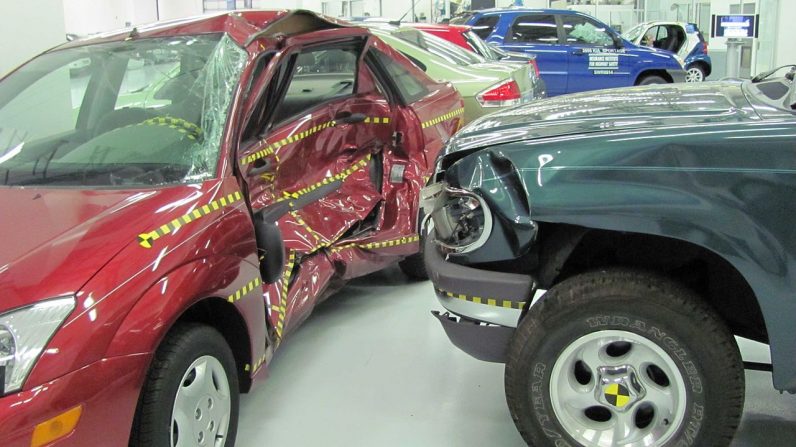
Approximately 61% of all crashes that occur at intersectionsinvolve a left-hand turn.
How would eliminating left turns improve traffic?

Traffic researchers have proposed a variety ofinnovative signal strategiesandcomplex intersection configurationsto make left turns safer and more efficient.
But a simpler solution might be the best: Restrict left-hand turns at intersections.
Its typically done at isolated locations to solve specific traffic and safety problems.

Of course, there is a downside.
Eliminating left turns would require some vehicles to travel longer distances.
This would be more than offset by the smoother traffic flow.
Which left turns need to go?
This is because the busier the intersection, the more people will benefit from smoother traffic flow.
There is a better way.
In this case, the answer is simple get rid of the left turn.
Article byVikash V. Gayah, Associate Professor of Civil Engineering,Penn State.
This article is republished fromThe Conversationunder a Creative Commons license.
