Many dealerships offer car buyers abrief orientationto these advanced driver-assist technologies.
The glovebox manual, now thicker than ever, provides many of the technical details.
This aspect of new cars is seldom discussed during orientations or covered in manuals.
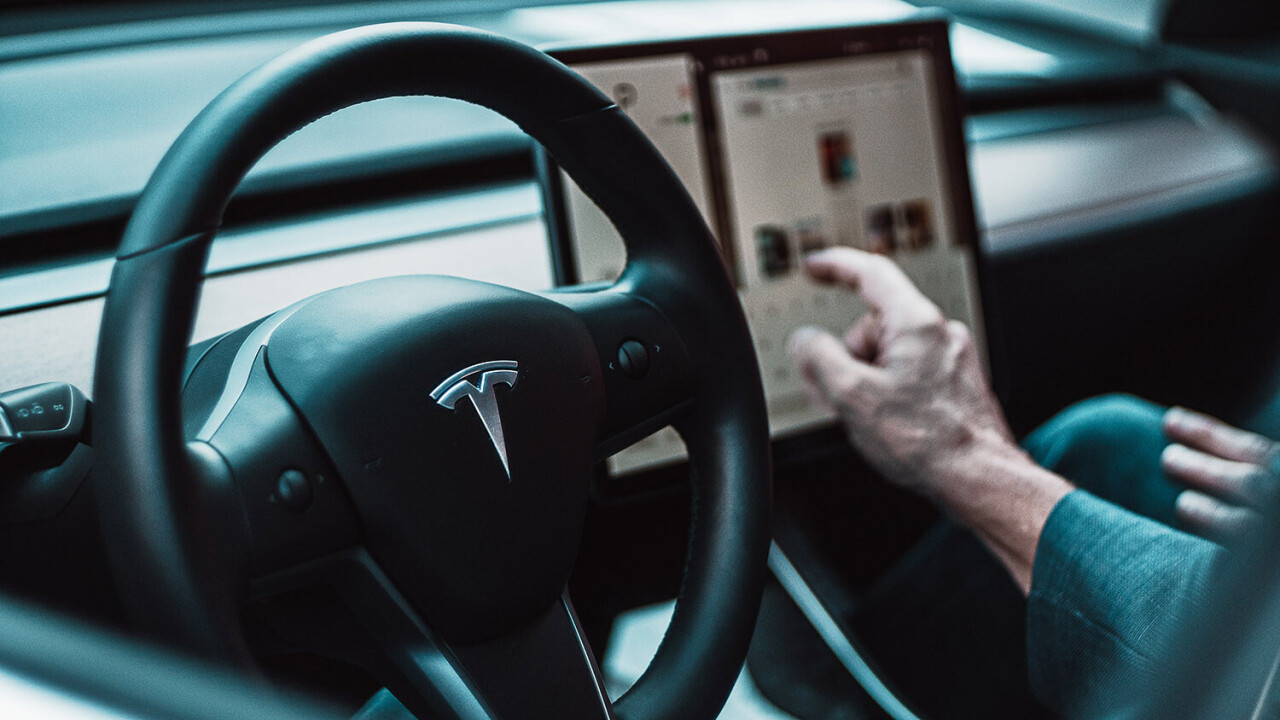
Here are some findings about using advanced driver-assist technologies that every driver should know.
Computers dont see and understand the world as humans do.
We humans draw upon a powerful and flexible commonsense understanding of the world.
Ourcars possess nothing like that.
They know the world as data compiled from video footage.
The short answer is that you dont.

So instead of having two entities watching the road, its down to one.
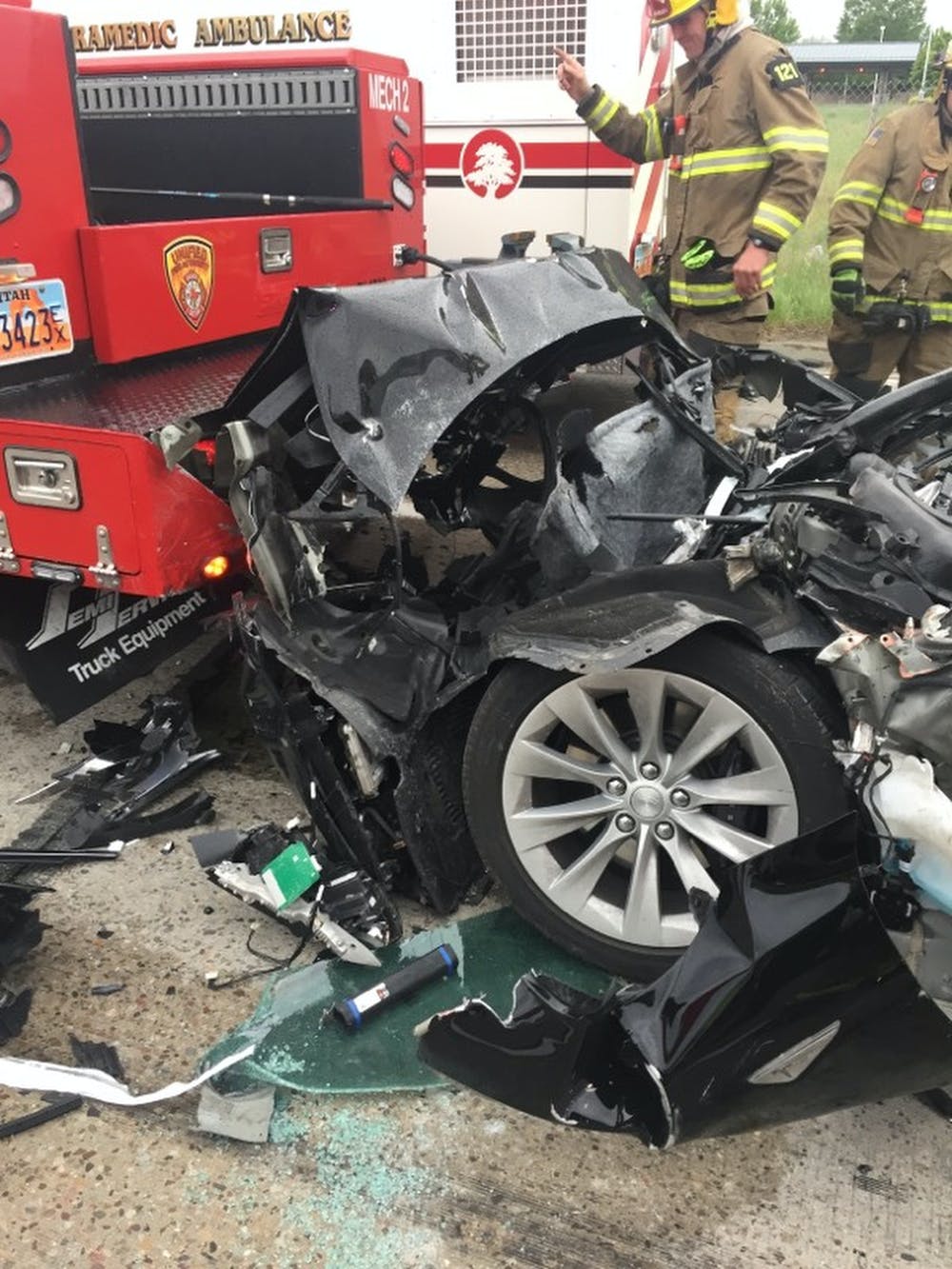
It turns out that watching a computer drive your car is harder than it looks.
What seems like a leisurely activity at first can beoddly tiring.
Did these drivers plan to take a nap or did it just happen?
Todays busy schedules can cause a great many people toaccumulate sleep debt.
People tend to fight off that sleep debt by staying busy.
Literal and figurative blind spots
Your new rearview camera seems like a lifesaver.
It allows you to see into your worst blind spot.
But a study of drivers using these cameras found something unsettling.
Having the cameras prompts many drivers toskip the traditional over-the-shoulder checks.
you might catch the beginning and the middle of these unfolding events, and then ensure a safe ending.
My colleagues and I have pushed forstandardized trainingfor new car buyers that includes thehuman element of partially automated driving.
Part of the challenge is having to approach drivers with some fairly counterintuitive ideas.
For many drivers, this advice might not sink in when they first use driver-assist technologies.
It may take some profound and personal reconsideration of what you think you know.
And what about the youngest drivers, the ones who account for adisproportionate number of crashes?
This article bySteve Casner, Research Psychologist,NASA, is republished fromThe Conversationunder a Creative Commons license.
