British sports car maker Lotus has finally unveiled its long-awaited second electric vehicle, the Eletre.
It’s free, every week, in your inbox.
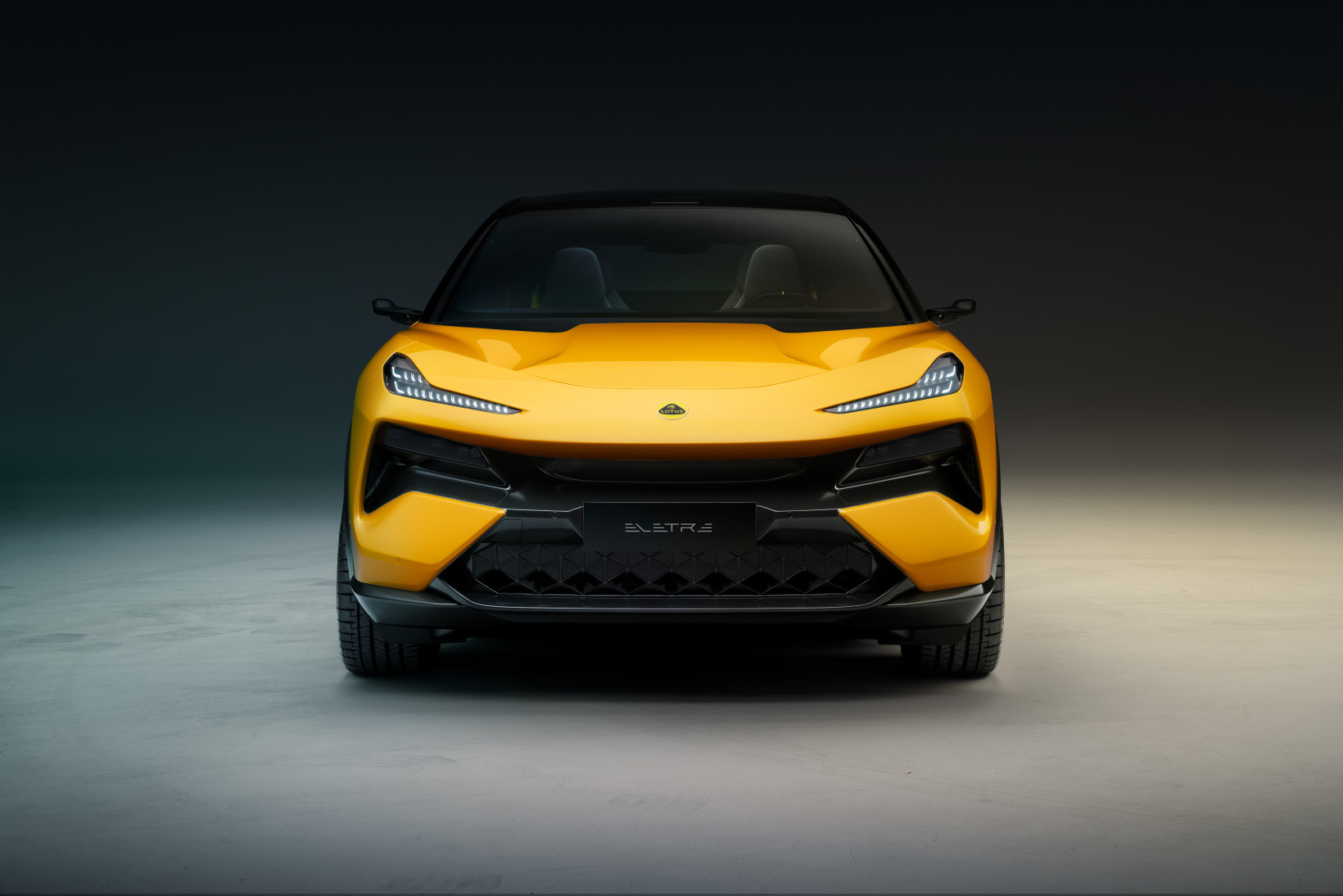
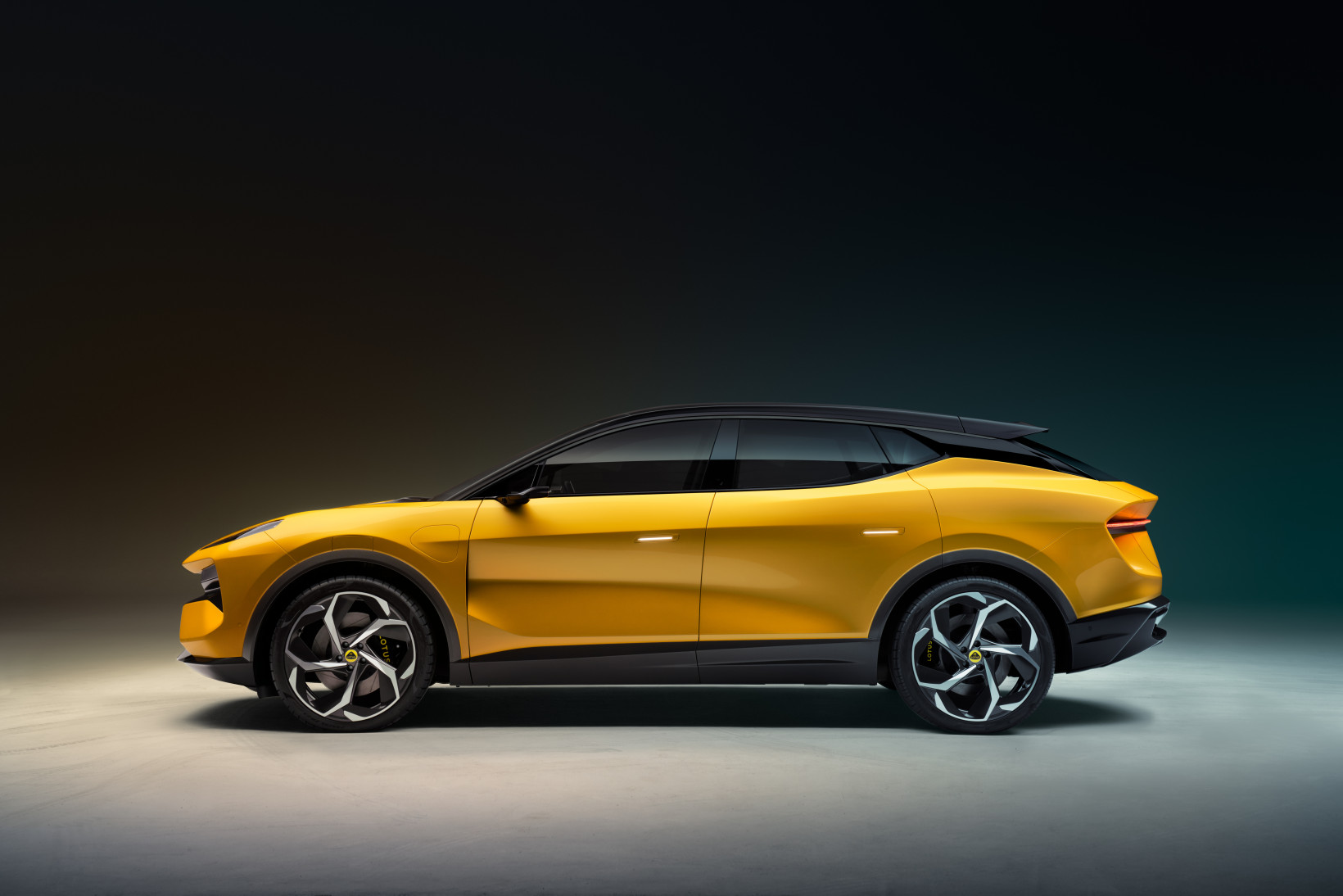
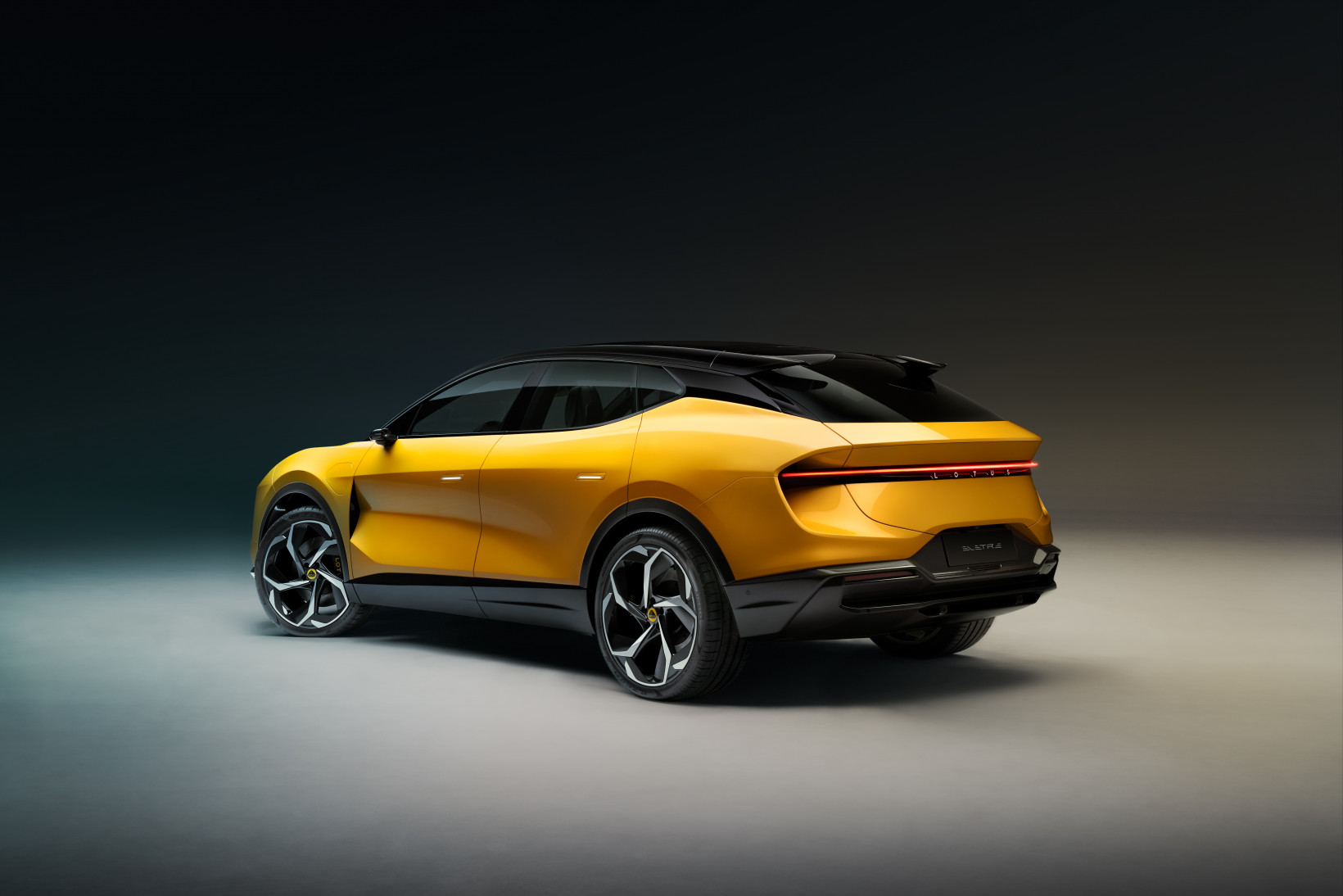
As you’re able to see above, the EV isnt beautiful in a conventional way.
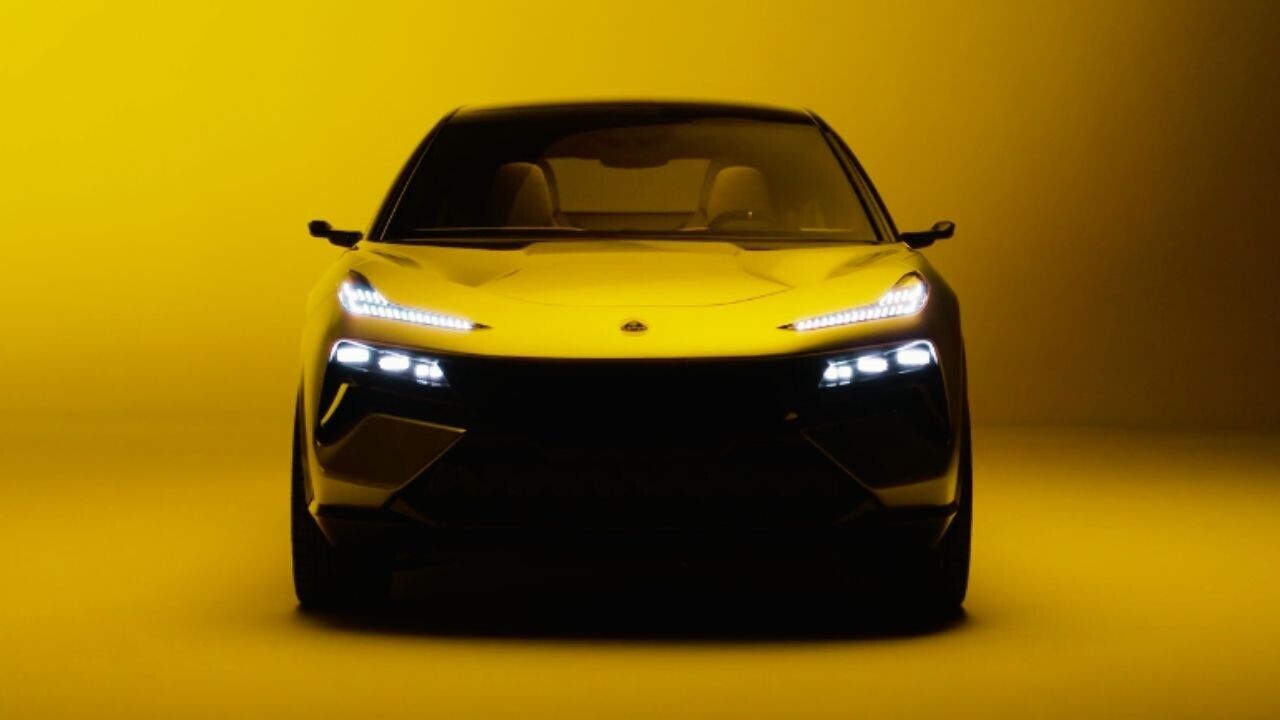
Its design language is rather aggressive with a cab-forward stance, long wheelbase, and short overhangs.
Its front also looks like an angry reptile of sorts.
Still, theres a distinctive elegance somewhere in there.

Hypercar vibe
Lotus boasts that Eletre shares the same DNA with itsEvijaelectric hypercar.
Built on a dedicated electric architecture platform, the Eletre comes with two electric motors enabling four-wheel drive.
There will be three versions available theleastpowerful delivering 600 horsepower.
Lotus claims it will sprint to 62mph in under three seconds and top out at 260km/h.
Breathing air
To enable this performance the design team has focused on reducing weight and improving aerodynamics.
The body panels are all made from aluminum, while the black components are finished in carbon fiber.
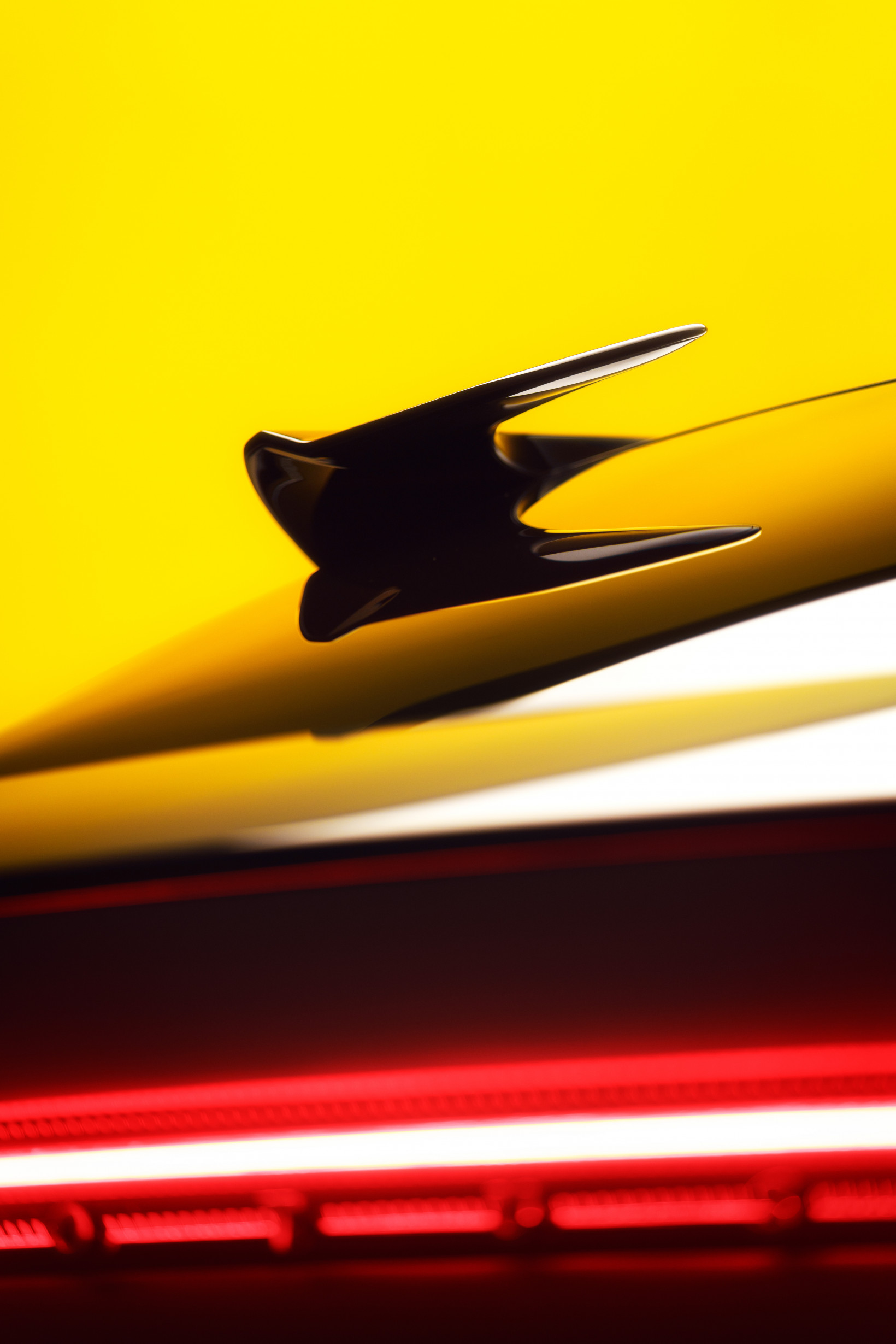
But the most notable characteristic is Eletres breathing function.
Lotus calls this porosity.
Reducing air resistance and, in turn, improving efficiency and range.
Light up
The Eletres lights are my favorite part of the car.
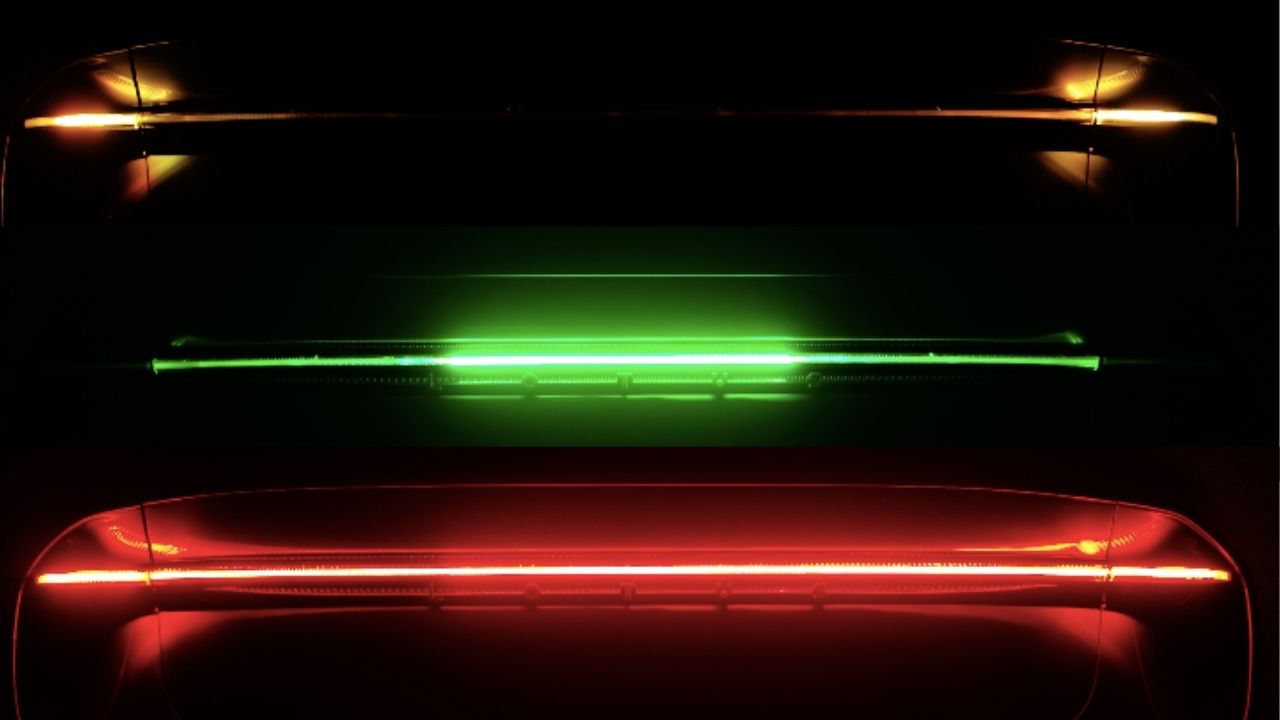
The most impressive feature is what the company calls the peacock moment.
Its a pure show-off move, but who doesnt enjoy a little drama?

In the rear, the full-width ribbon light strip can change between four colors.
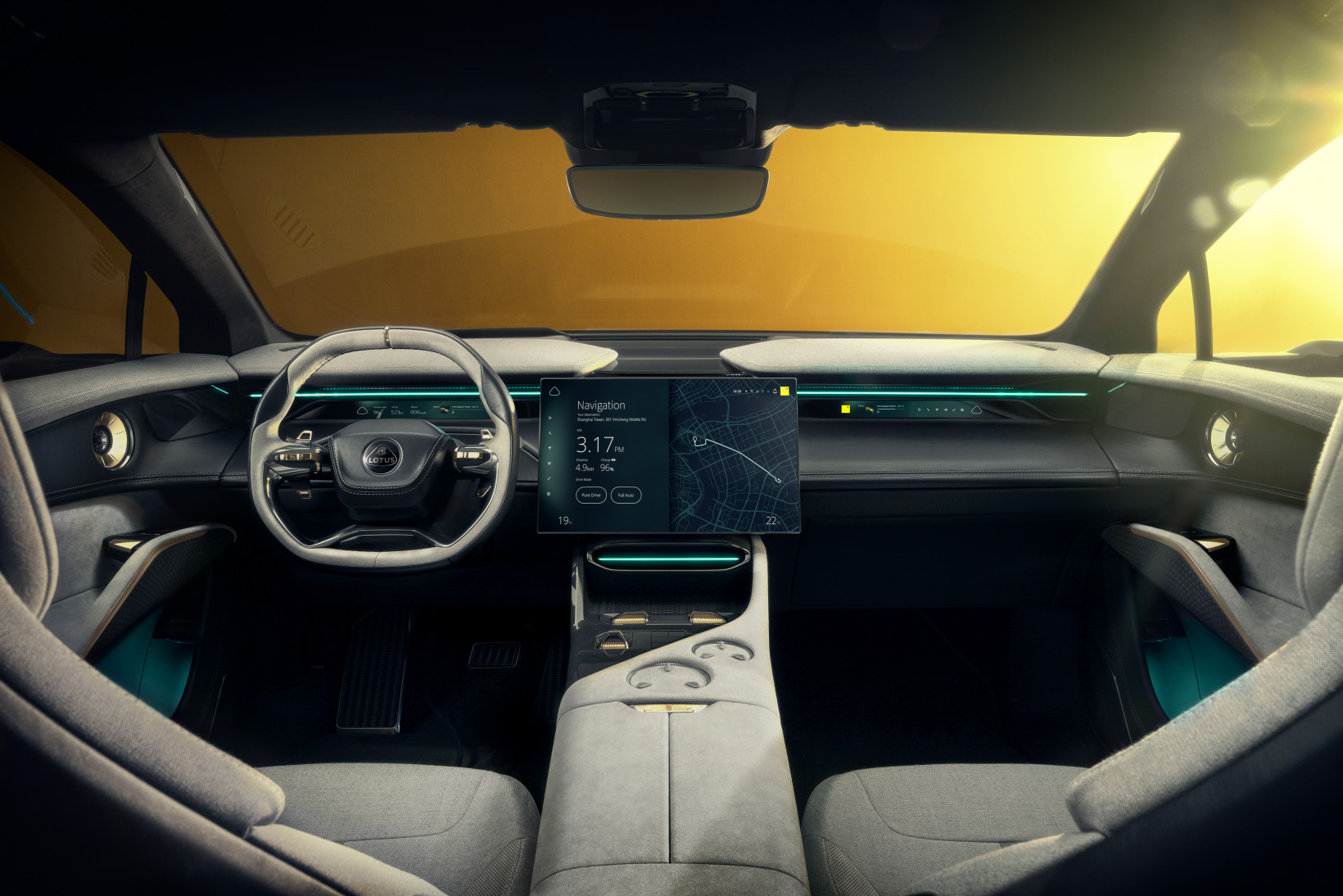
Plus, theres another color-changing light strip below the instrument panels inside the car.
It alerts occupants to incoming phone calls, changes in cabin temperature, or battery charge status.
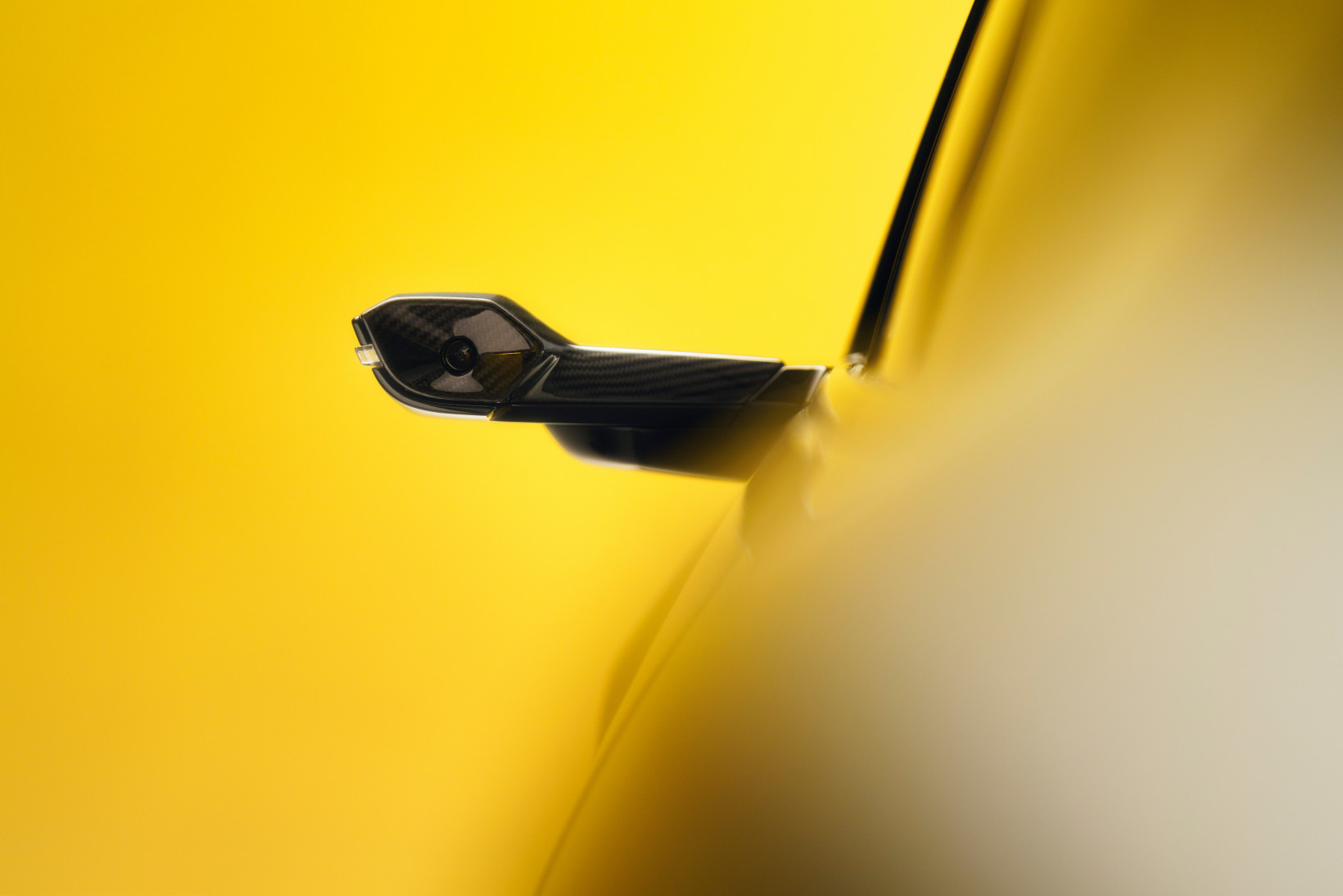
That way, the vehicle is future-proofed for advances in autonomous driving tech.
Lotus says that extra autonomous functions can be added through OTA updates as and when its allowed.
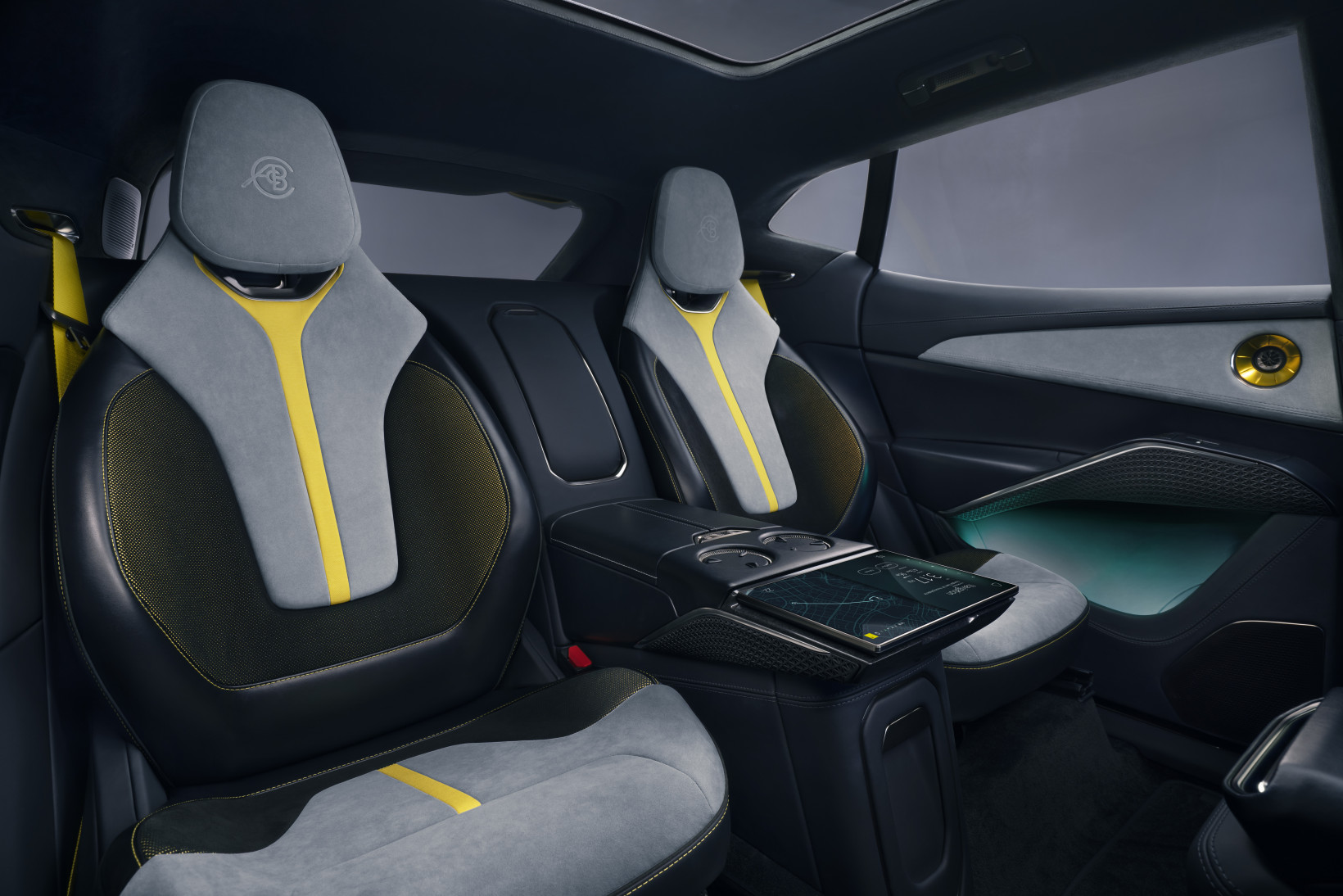
Its interior looks spacious and features a minimalistic design just with a dash of luxury.
All in all, we know quite a lot about the Eletre to be blown away.
But… theres one thing we dont know: the price.
For reference, the Evija comes costs a hefty $2 million.
This indicates a starting point of about$120,000when the EV reaches the US in 2024.
Story byIoanna Lykiardopoulou
Ioanna is a writer at TNW.
With a background in the humanities, she has a soft spot for social impact-enabling technologies.
Also tagged with