A bitter feud has erupted over who first resurrected the woolly mammoth as a meatball.
The de-extinct delicacy was unveiled last weekat Nemo Science Museum inthe Netherlands.
Naturally, no mammoths were harmed in the making of this product and nor were any other animals.
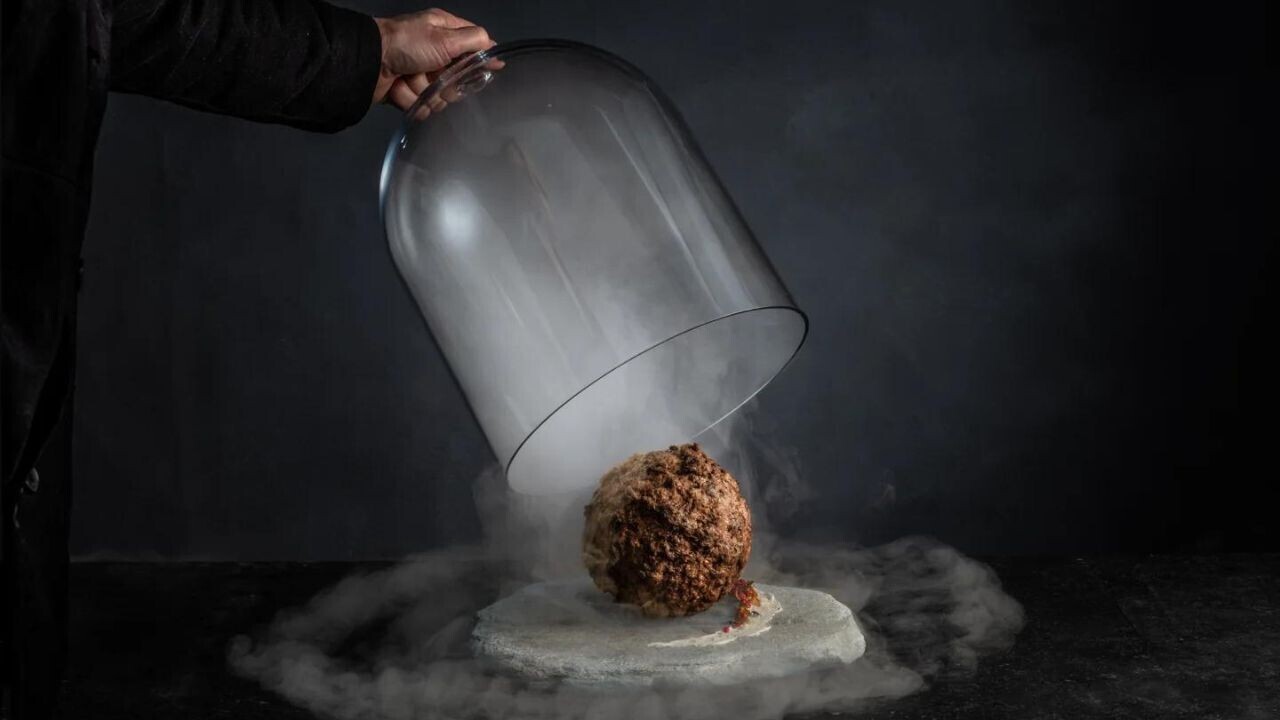
In lieu of dead flesh, an AustralianstartupcalledVowproduced the meatball from DNA.
First, the team identified theDNA sequence for mammoth myoglobin,a protein that creates a meaty taste.
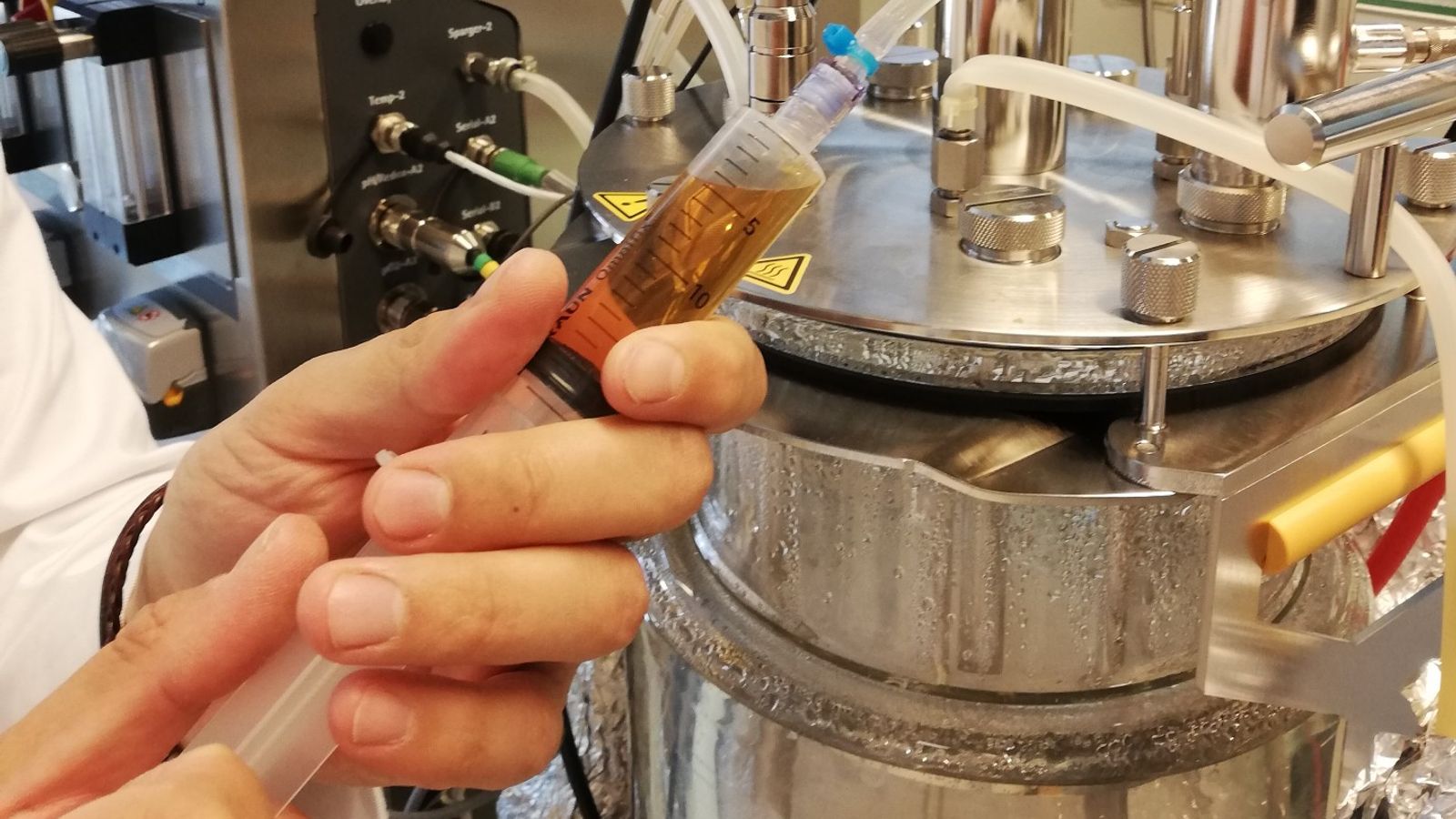
Using a low-current and high-voltage charge, they then inserted the gene into stem cells from a sheep.
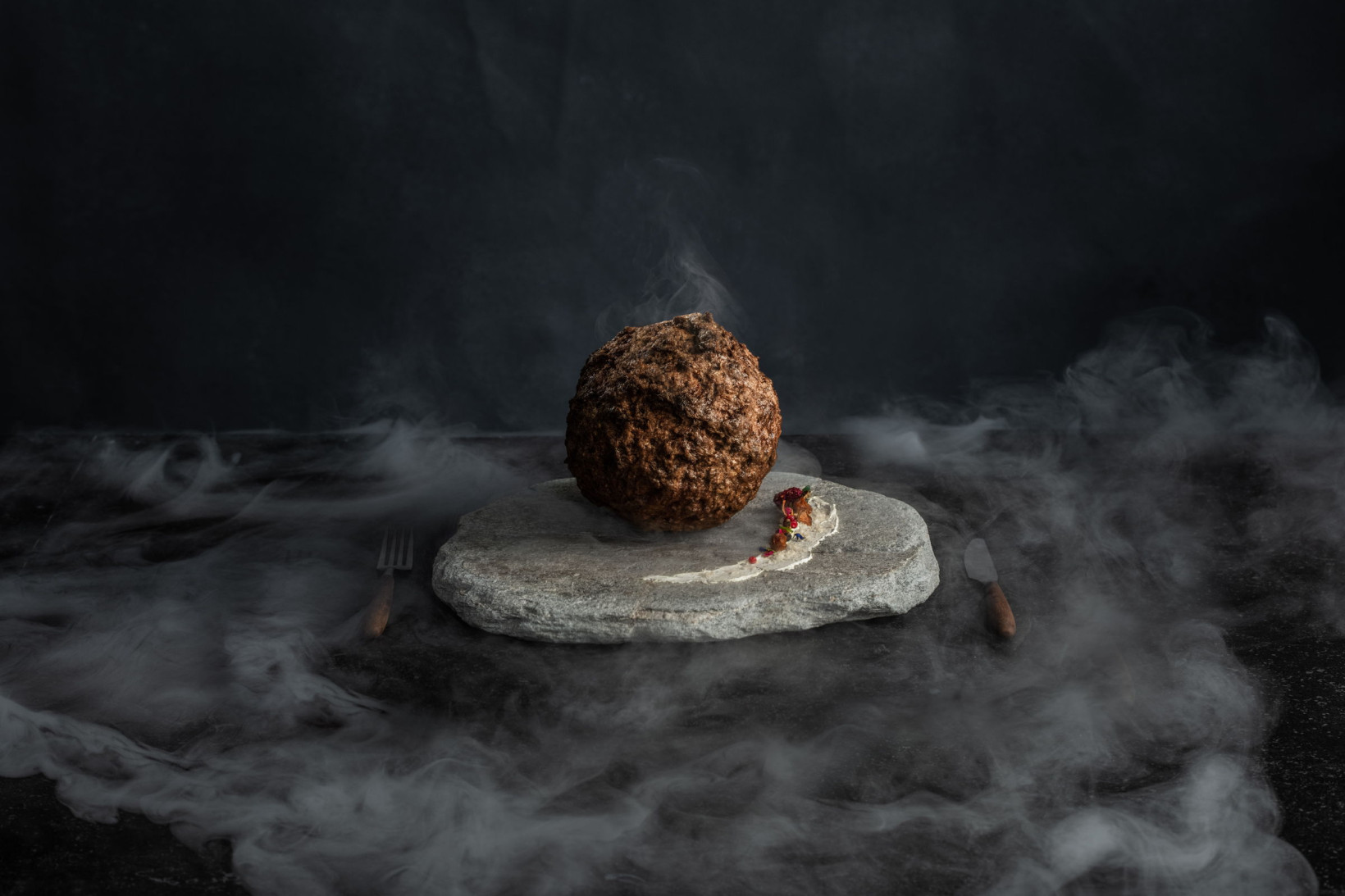
Finally, they multiplied and moulded the cells into a pasty.
It certainly looks the part, but did it pass the taste test?
It seems an essential question, but its sadly one that remains unanswered.
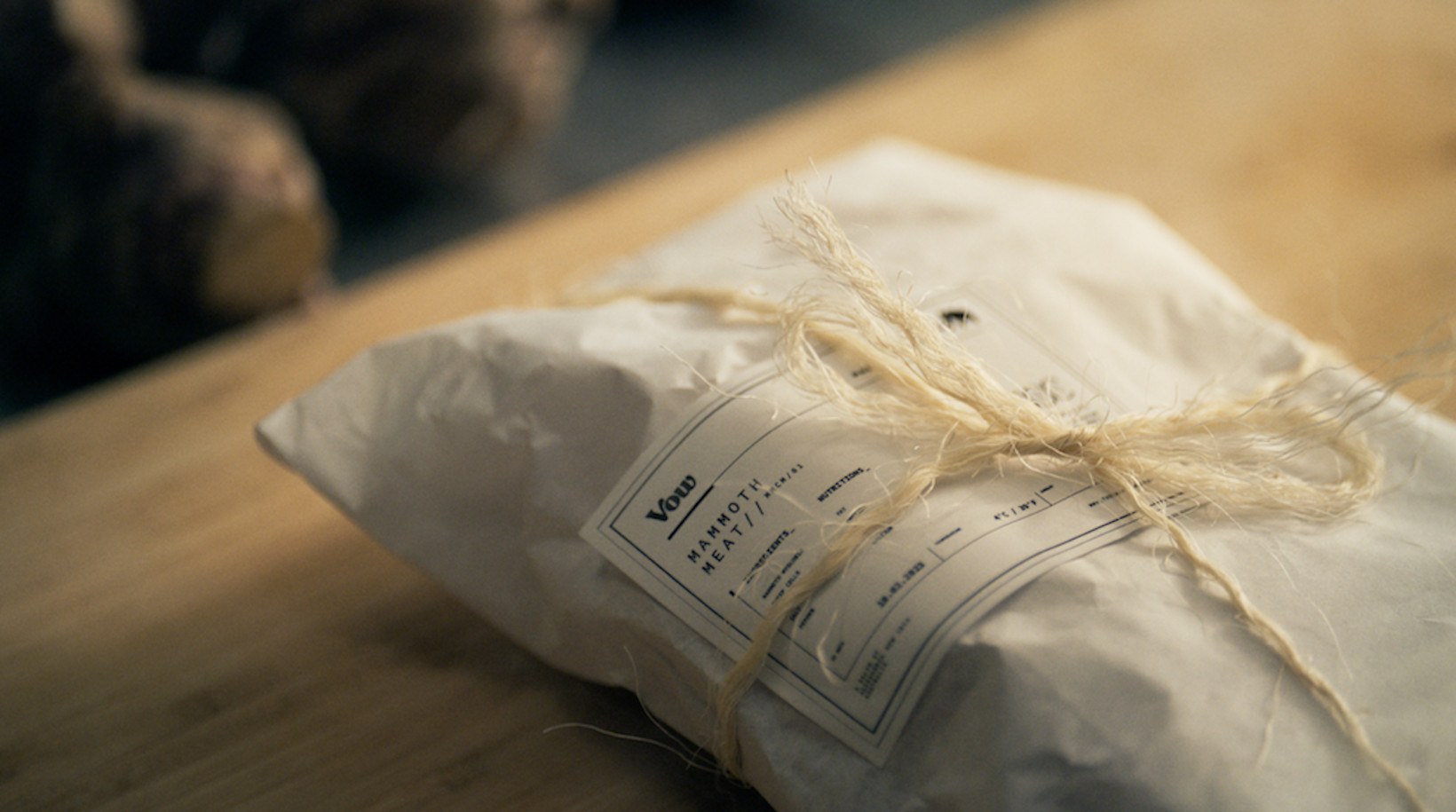
To the disappointment of daring diners, the meatball isnt ready for human consumption.
40% off TNW Conference!
They note that food production createscopious greenhouse gasesandbiodiversity loss.
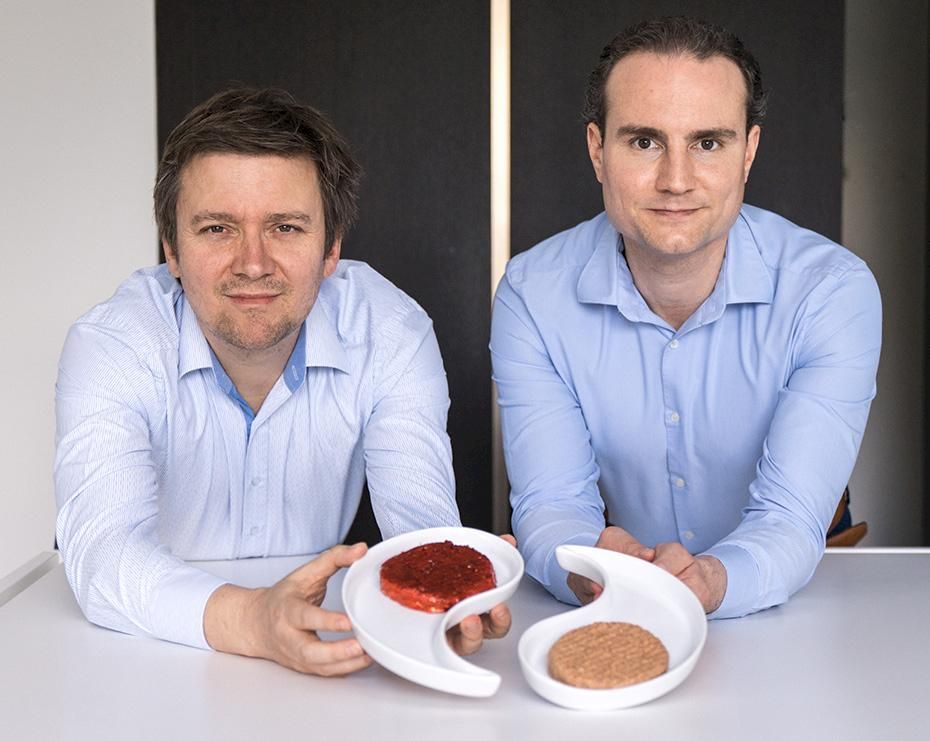
Cultivated meat, they argue, offers a sustainable alternative.
Cultured meat is meat, but not as we know it.
The meatball was created as a launchpad for the tech and for Vow.
With apparent justification, the company now claims its rewriting the rules of food.
But a rival claims its also rewriting the rules of decency.
As Vow was being lauded in the Netherlands, a very different reaction was brewing acrossthe border.
In Belgium, a scaleup called Paleo was considering legal action.
The company was enraged by claims that Vow had showcased a mammoth protein for the first time.
Paleo argues that it developed the myoglobin tech two years earlier.
Paleo contacted Vow before the event in the Netherlands.
When we learned about the event, we were surprised, said Hermes Sanctorum, CEO of Paleo.
When Vow claim that no one has tastedmammothmyoglobin, this is simply not true.
We developed themammothmyoglobin and we tasted it in our lab.
Vow has dismissed the allegations.
Paleo expressed some satisfaction with the response.
Nonetheless, Paleo feels that Vow crossed a red line but the patents could prove difficult to enforce.
According to Vow,it has only been accused ofadopting the idea of creating something with mammoth myoglobin.
Vow argues that Paleo has no basis to claim that idea as its own.
In addition, the startup notes thatan examiner at the European Patent Officedeemed Paleos patent program was likely invalid.
The Australian company described the utility as an attempted landgrab of outrageous proportions.
Paleo has no granted patent in relation to mammoth myoglobin and therefore has no legitimate claim.
Vow also criticised the pending tool.
The feud will rumble on for now.
Regardless of the outcome, the disputehas exposed the complexities of patenting food innovations.
Story byThomas Macaulay
Thomas is the managing editor of TNW.
He leads our coverage of European tech and oversees our talented team of writers.
Away from work, he e(show all)Thomas is the managing editor of TNW.
He leads our coverage of European tech and oversees our talented team of writers.
Away from work, he enjoys playing chess (badly) and the guitar (even worse).
