For the past few months,Metahas been sending recipes to a Dutch scaleup called VSParticle (VSP).
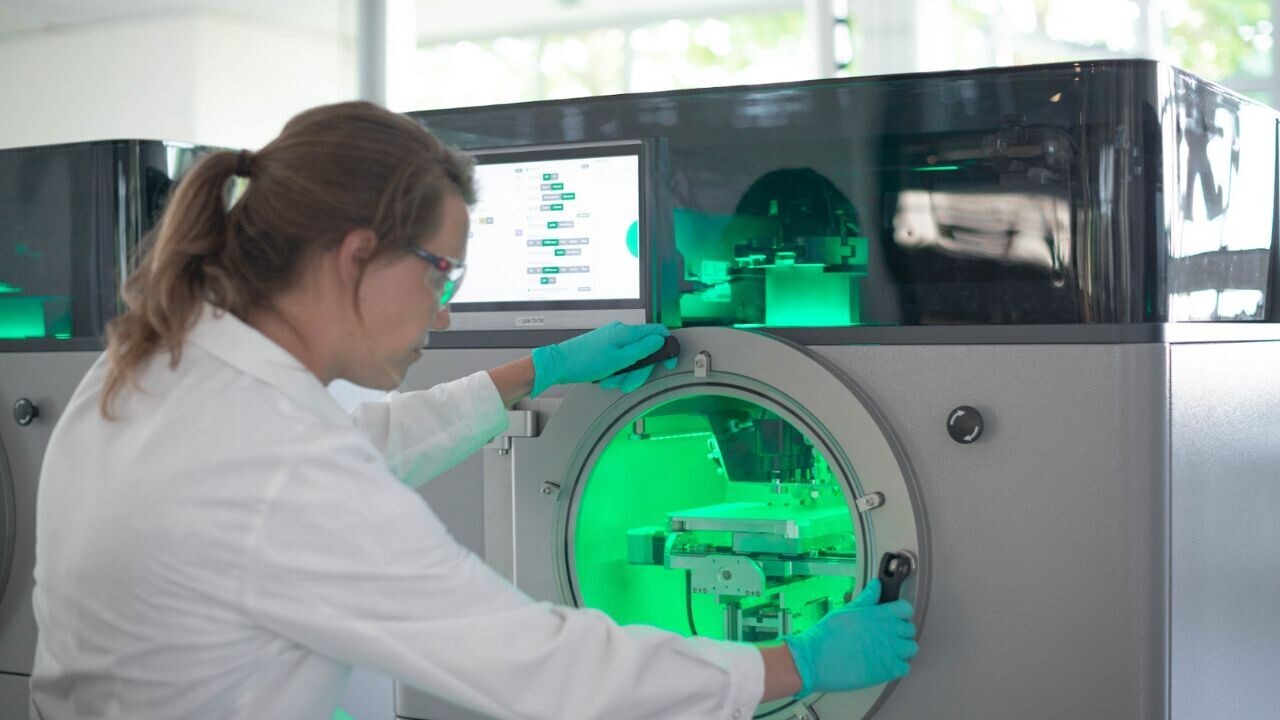
VSP has so far taken 525 of these recipes and synthesised them into nanomaterials called electrocatalysts.
Metas algorithms predicted these electrocatalysts would be ideal for breaking down CO2 into useful products like methane or ethanol.
It’s free, every week, in your inbox.
Larry Zitnick, Research Director at Meta AI, said the research is breaking new ground in material discovery.
The Alphafold of nanomaterial discovery?

But to really crack the code for material discovery,AImodels need to be trained on much larger datasets.
Not hundreds but tens or even hundreds of thousands of tested materials.
If thats true, then it puts the company in a pretty sweet position.

Ironically, these models could also think up solutions for their endless appetite for energy.
For companies like Meta, investing in material discovery using AI is a win-win.
VSP is working with many other organisations to build out its dataset and mature its technology.
The Dutch firm is also fine-tuning its nanoprinters to be faster and more efficient.
This could supercharge material discovery even further.
Story bySion Geschwindt
Sion is a freelance science and technology reporter, specialising in climate and energy.
