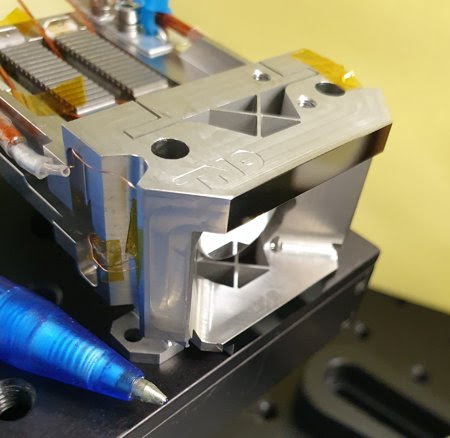
Specifically, ESAs so-calledLISAwill be the first space-based observatory designed to study gravitational waves.
In recent years,Earth-based observatorieshave been able to detect only low-frequency gravitational waves.
These waves are also so long that can only be detected by space-based observatories spanning millions of kilometres.
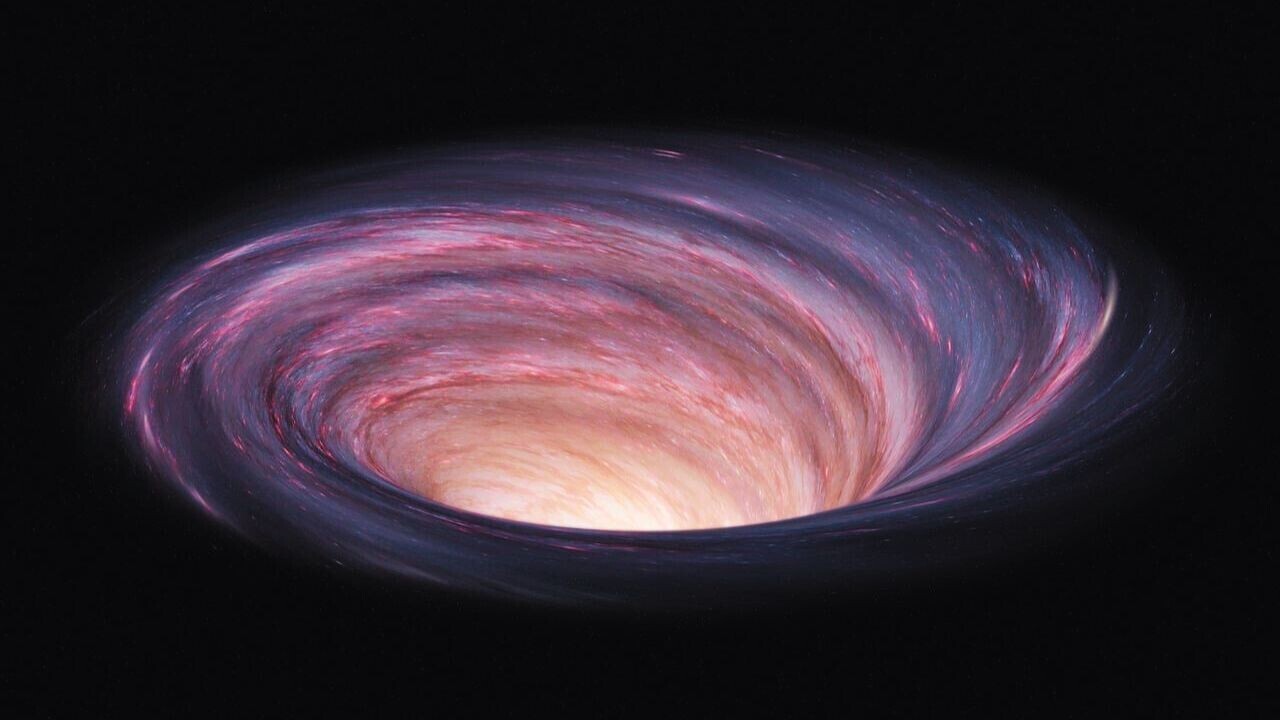
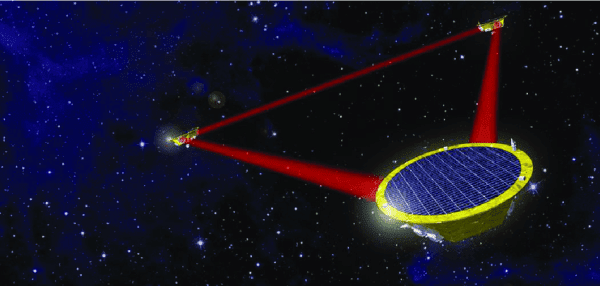
LISA will sit in a heliocentric orbit at a whopping 50 million kilometres away from Earth.
It will consist of three individual spacecraft, with a distance of about 2.5 million kilometres between each other.
To put this into perspective, the distance between our planet and the Moon is 385,000km.
It’s free, every week, in your inbox.
This also involves collaboration with research organisation SRON (Netherlands Institute for Space Research) on the mechanisms electronics.
In time, the PAAM will be transferred to the LISA consortium for integration into the test model.

Story byIoanna Lykiardopoulou
Ioanna is a writer at TNW.
With a background in the humanities, she has a soft spot for social impact-enabling technologies.
Also tagged with