ASpaceXDragon rocket is due to take off this week with some unusual cargo on board: an EEG headset.
The gadget will fly to theInternational Space Station (ISS)for a first-of-its-kind experiment.
Analyzing the neurological activity of astronauts to understand how microgravity affects the brain.
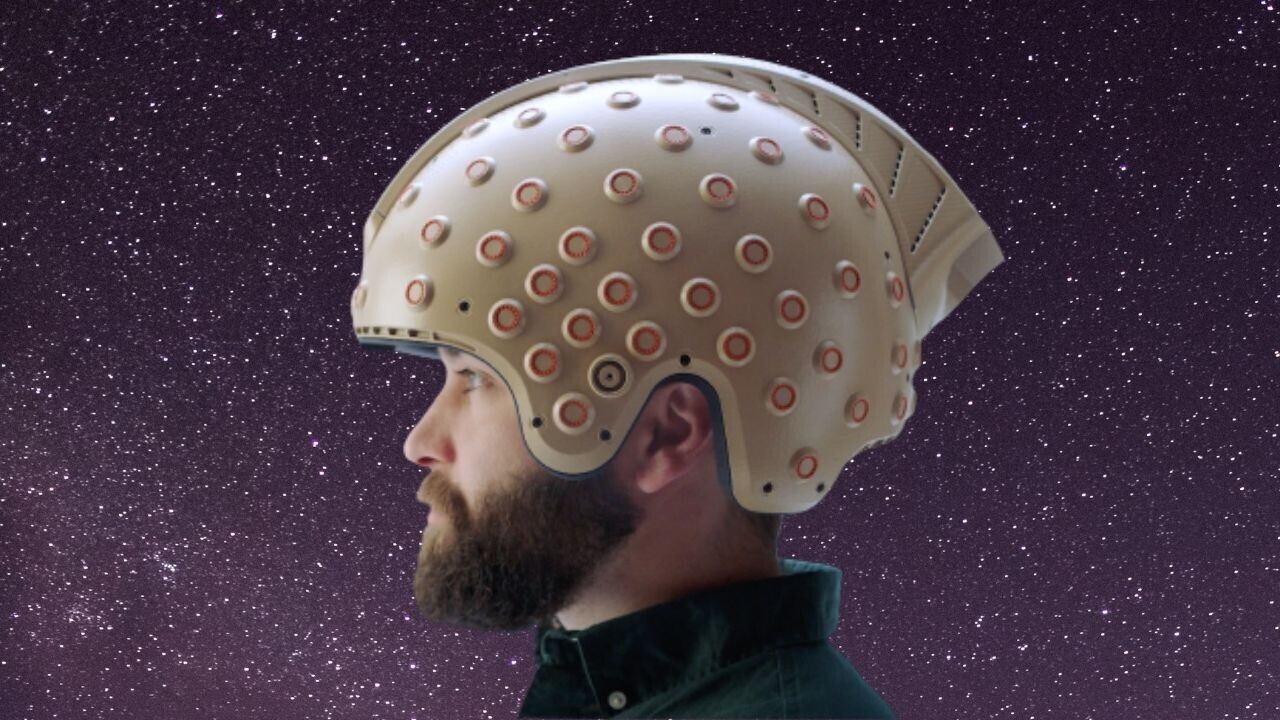
There is still little known about the effects ofspacetravel on the brain.
This information could be crucial in understanding how the brain adapts to long-term space travel.
40% off TNW Conference!
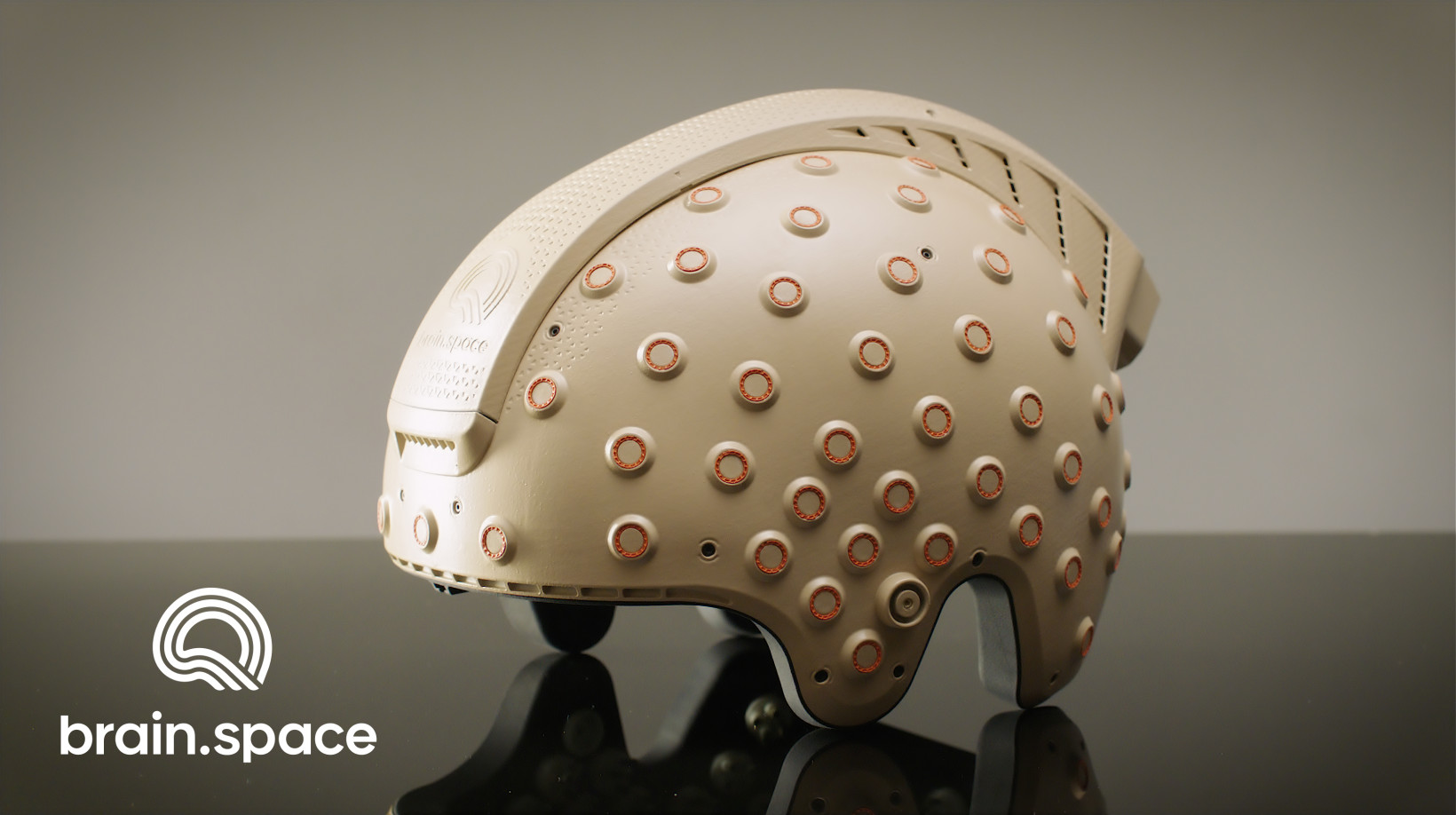
AI then denoises the signals and interprets the data.
Brain.space replaced the gel with a dry system comprised of around 500 sensors that look like tiny brushes.
The company says this makes the headset easier to use and more effective.
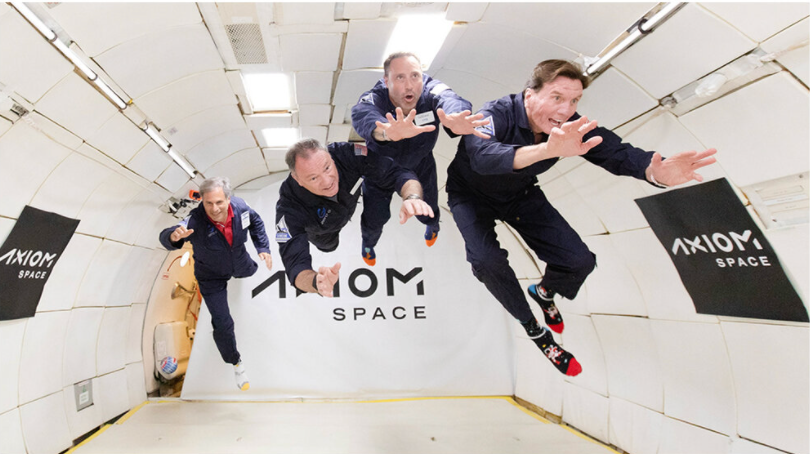
The equipment has already taken baseline measurements of the astronauts cognition on Earth.
Data collected in orbit will be transferred to brain.space and Ben-Gurion University researchers after each session for analysis.
After the astronauts return to Earth, the same experiments will be performed to assess the after-effects of microgravity.
Brain.space was initially founded to analyze neurological activity during treatment for brain injuries.
The company hopes the ISS experiment will join the list ofspace projects that have improved life on Earth.
But for now, its focused on preparing our brains for long-term space travel and off-world living.
Story byThomas Macaulay
Thomas is the managing editor of TNW.
He leads our coverage of European tech and oversees our talented team of writers.
Away from work, he e(show all)Thomas is the managing editor of TNW.
He leads our coverage of European tech and oversees our talented team of writers.
Away from work, he enjoys playing chess (badly) and the guitar (even worse).
