Researchers have discovered a Russia-alignedPSYOPs campaign with a curious mix of espionage, disinformation, and Canadian pharmacy spam.
ThePSYOPs a military term for psychological operations wereunearthed by analysts at ESET, acybersecurityfirm headquartered in Slovakia.
They named the campaign Operation Texonto.
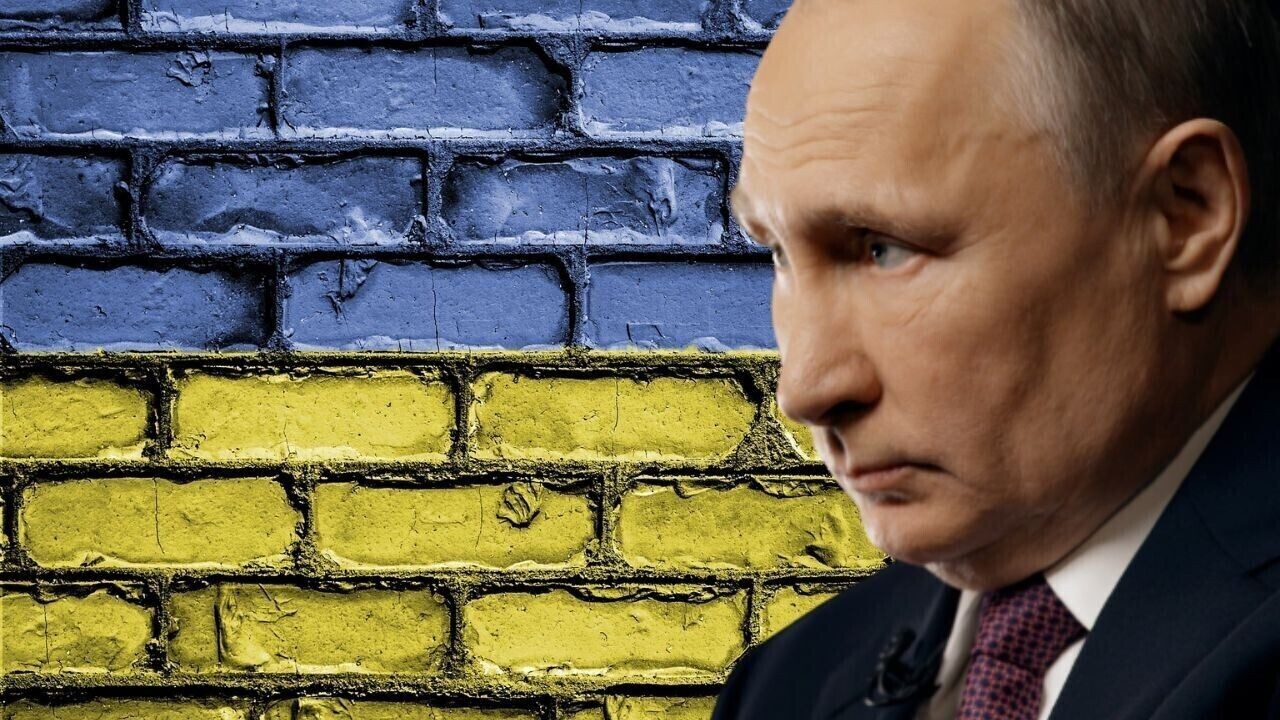
The operation disseminated war-related disinformation to Ukrainians via spamemails.
Alongside the disinformation, ESET detected a recent spear-phishing campaign that targeted a Ukrainian company and an EU agency.
It aimed to steal credentials for Microsoft Office 365 accounts.
Due to similarities in their internet infrastructure, ESET is confident that the PSYOPs and phishing are connected.
It also led to thatconnection with Navalny.
Real dissidents and fake pharmacies
Operation Texonto used domain names related to Navalny.
These included the following:
These domains suggest that the campaign had another objective.
The researchers suspect it deployed spearphishing or information operations against Russian dissidents and Navalny supporters.
Another link was made to fake Canadian pharmacies, which have been popular withRussian cybercriminals fordecades.
In 2004, CanadianPharmacywas namedthe worlds currently most voluminous spam generator.
One of the servers used to send the spam emails was later reused to send typical Canadian pharmacy spam.
ESET surmised that the campaign operators had realised they had been detected.
Consequently, they may have tried to monetise the burnt infrastructure for personal profit.
Detecting PSYOPs
In the disinformation campaign, the first wave of emails was sent in November 2023.
Theytargeted Ukrainian politicians, energy companies, and citizens.
ESET estimates that the messages had at least a few hundred recipients.
Rather than spread malicious links or malware, the messages sought to fracture support for Ukraines resistance.
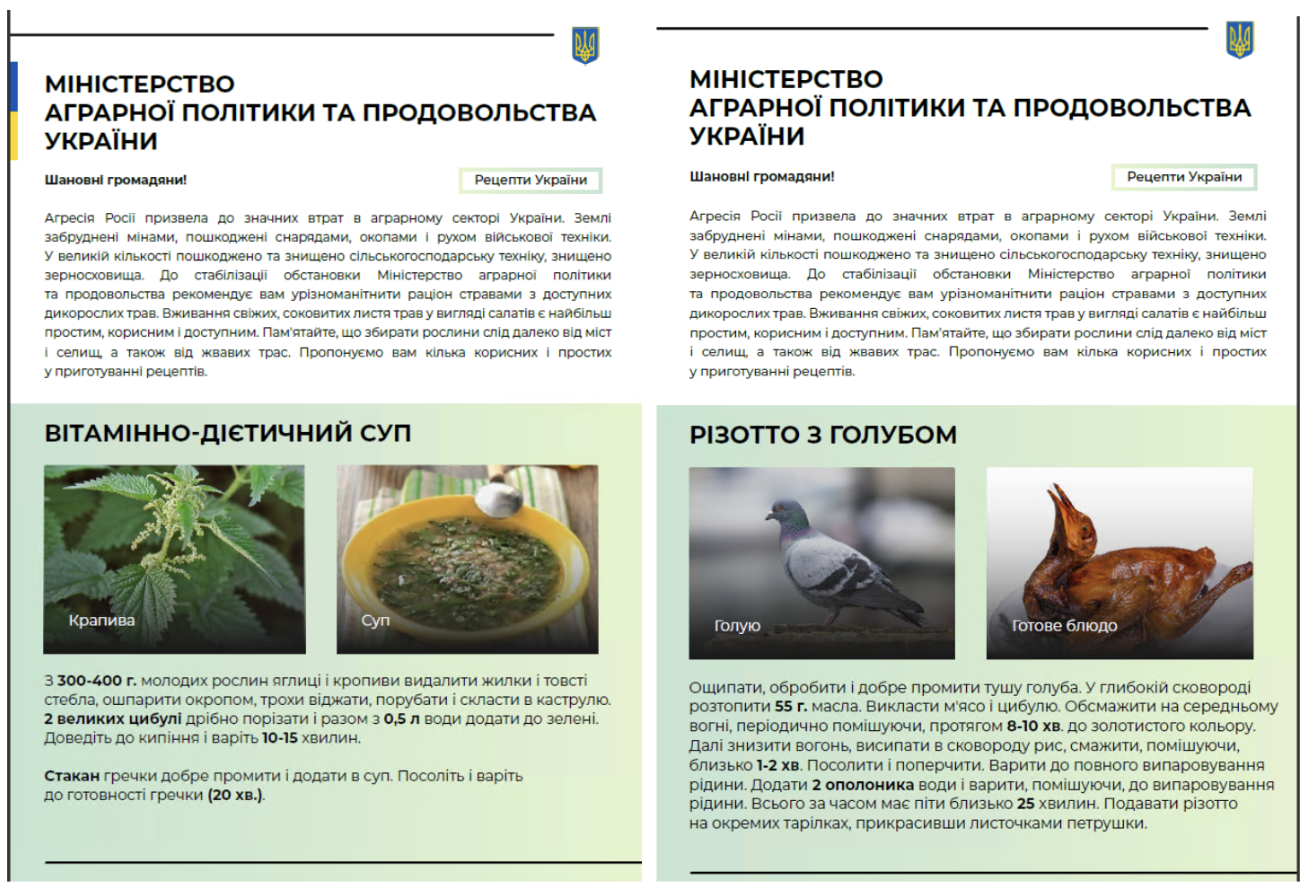
One sender masquerading as the Ukrainian government advised citizens to replace drugs with folk methods using plants.
Another email, allegedly from the Ministry of Agriculture, recommended eating pigeon risotto.
The second wave of emails was sent last December.
All of them were written in Ukrainian, but they targeted people in both Ukraine and other European cities.
They featured darker messaging.
One email suggested that recipients amputate a limb to avoid military deployment.
The PSYOPs campaign joins thefirehouse of falsehoodthat has targeted Ukraine since Russias full-scale invasion.
Totackle such disinformation, ESET recommends a mix of smart email filtering, education, and double-checking.
Story byThomas Macaulay
Thomas is the managing editor of TNW.
He leads our coverage of European tech and oversees our talented team of writers.
Away from work, he e(show all)Thomas is the managing editor of TNW.
He leads our coverage of European tech and oversees our talented team of writers.
Away from work, he enjoys playing chess (badly) and the guitar (even worse).
