In the fiercely contested smartphone market, photography can be a key battleground.
Within two years, Spectricity boldly predicts the sensor will be inside every smartphone.
The bullishness derives from a singular focus: measuring true colour in smartphones.
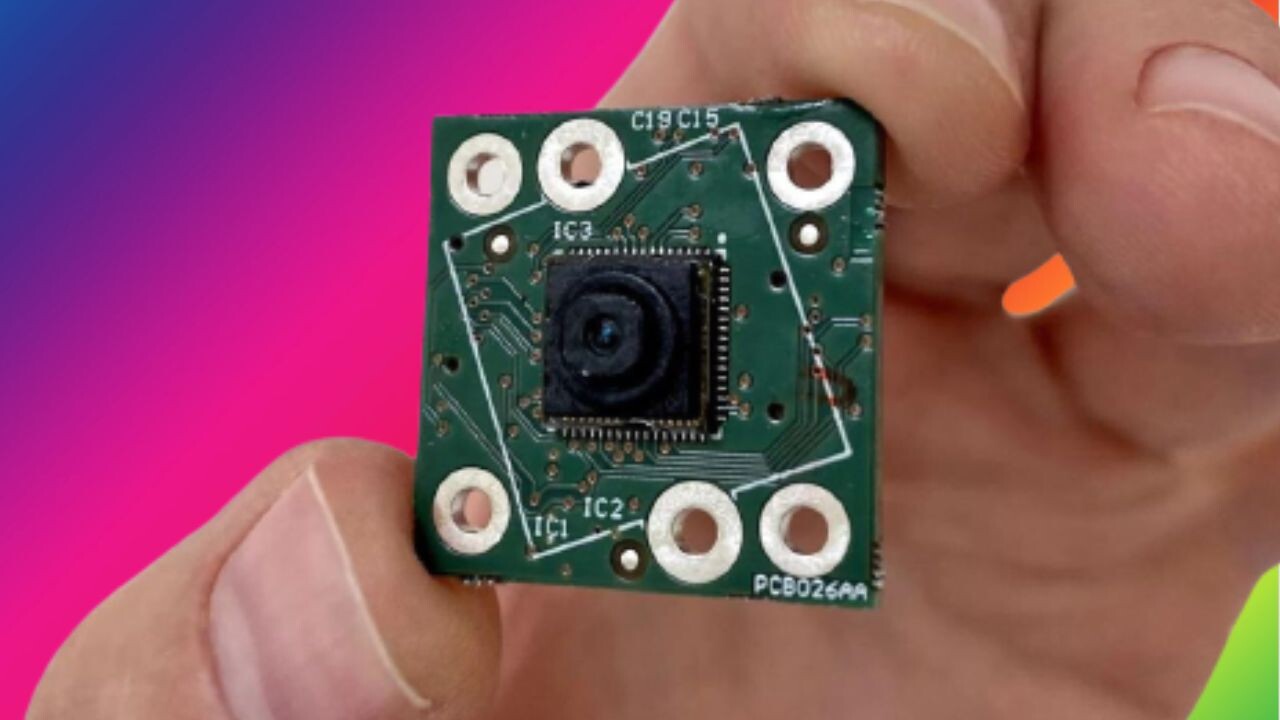
According to Spectricty, this is something that even the best smartphones still cant do.
40% off TNW Conference!
Our natural vision system does this remarkably well.

Smartphones attempt to do the same thing, but the results are often disappointing.
None of these cameras can recognise true colour.
To fix this mess, the S1 sensor uses additional filters to analyse the spectral signature of an object.
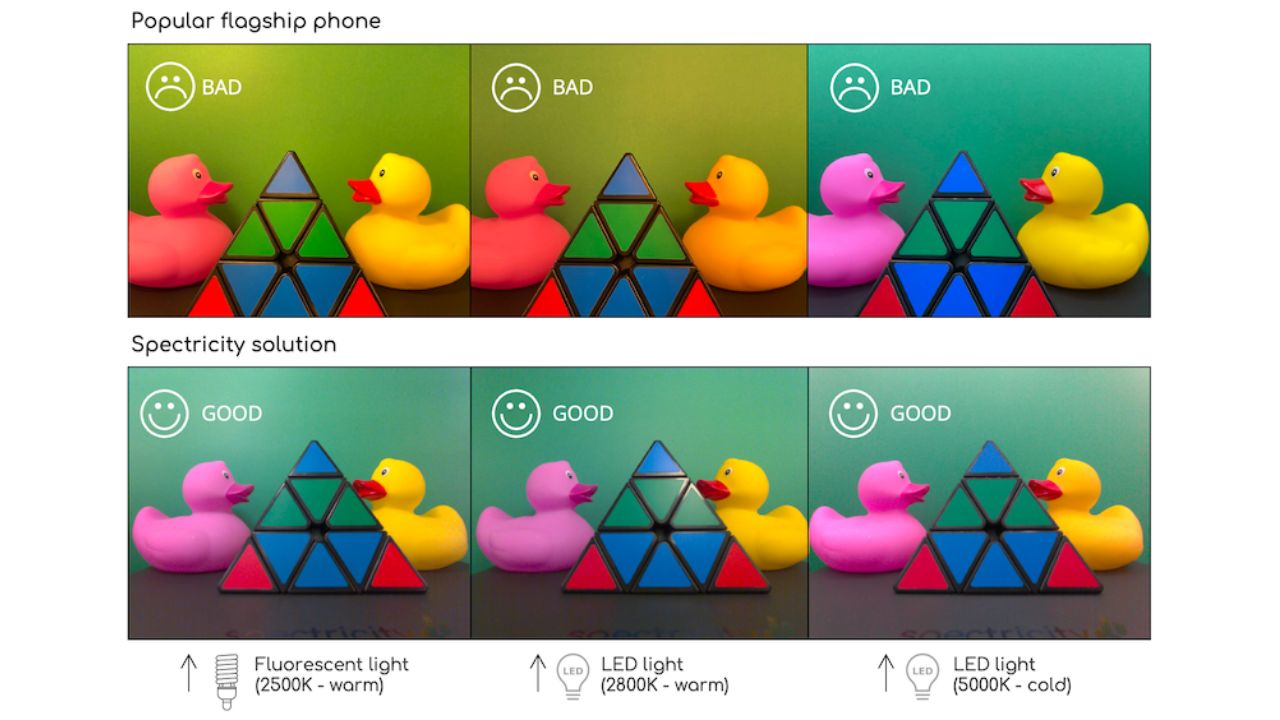
After sensing the light source in an image, the system corrects the colours accordingly.
Spectricity showed TNW the effects in a live demo.
The ambitions for the sensor extend beyond better photos.
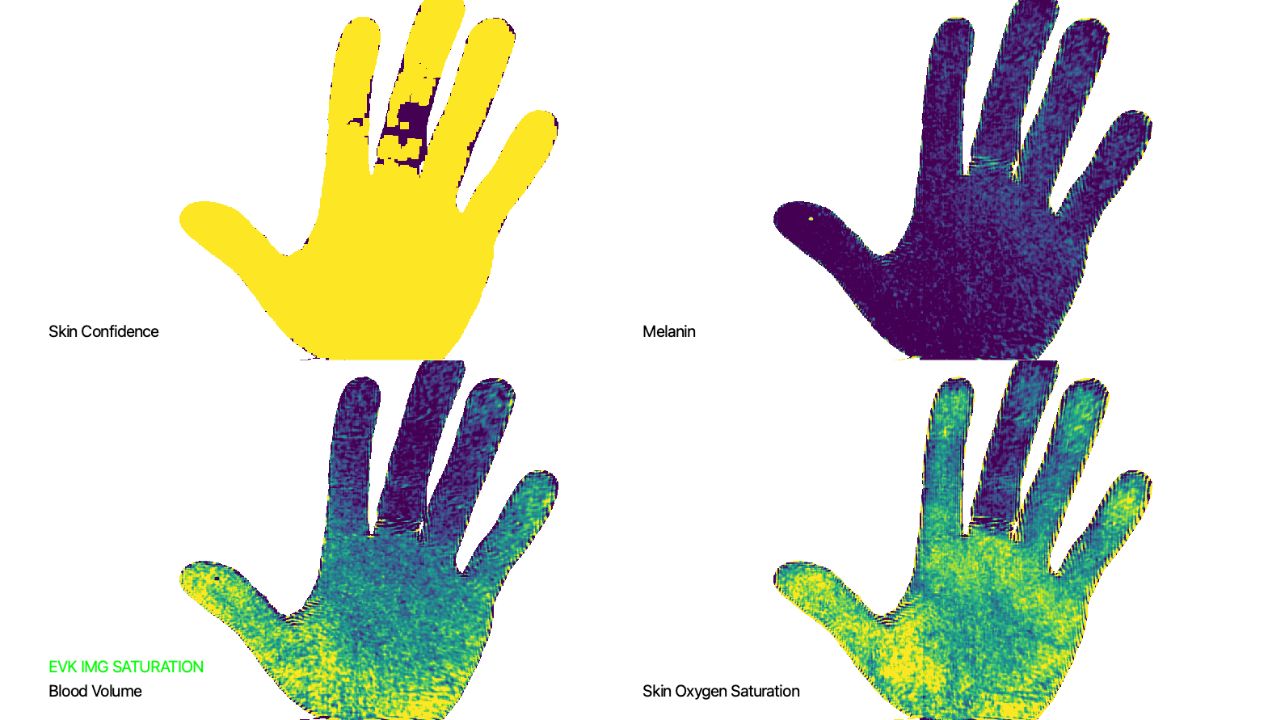
A key component of these plans is the S1s improved rendering of skin tones.
Smartphone cameras arenotoriously badat capturing darker skin, which limits the inclusivity of photos.
It also inhibits anyappsthat use skin analysis, from melanoma detection to virtual makeup.
The S1s recognition of darker skin could broaden access to the benefits.
The S1 is currently under evaluation by major smartphone makers.
Amida global declinein mobile sales, Spectricity is betting that the sensor offers them an irresistible edge.
Story byThomas Macaulay
Thomas is the managing editor of TNW.
He leads our coverage of European tech and oversees our talented team of writers.
Away from work, he e(show all)Thomas is the managing editor of TNW.
He leads our coverage of European tech and oversees our talented team of writers.
Away from work, he enjoys playing chess (badly) and the guitar (even worse).
