GPT-3 is arguably the worlds most advanced text-generator.
It was trained using supercomputing clusters, a nearly internet-sized dataset, and 175 billion parameters.
Its among the most impressive generative AI systems ever created.

But it absolutely did not create a video game.
You may have read otherwise.
But its what you didnt read that matters.
At the risk of oversimplifying, you give GPT-3 a short input and ask it to generate text.
So, for example, you might say Whats the best thing about Paris?
GPT-3 is pretty good at generating text that makes sense.

So, if you were to keep generating new phrases based on the Whats the best thing about Paris?
input, its likely youll get a bunch of different outputs that mostly made grammatical sense.
However, GPT-3 isnt actually checking its facts or Googling things.
It doesnt have a database of verified information that it accesses before generating and injecting its opinion into things.
It just tries toimitatethe text its been trained on.
And, most importantly, its just as likely to say something factually incorrect.
GPT-3 does not think.
It does not understandanything.
Its just algorithms and computer tricks.
If you could imagine 175 billion monkeys banging on 175 billion typewriters you could imagine GPT-3 at work.
Except, in GPT-3s case, instead of letters, the keys all have sentences and phrases on them.
And for every monkey theres a human standing there changing out text templates to fit specific themes.
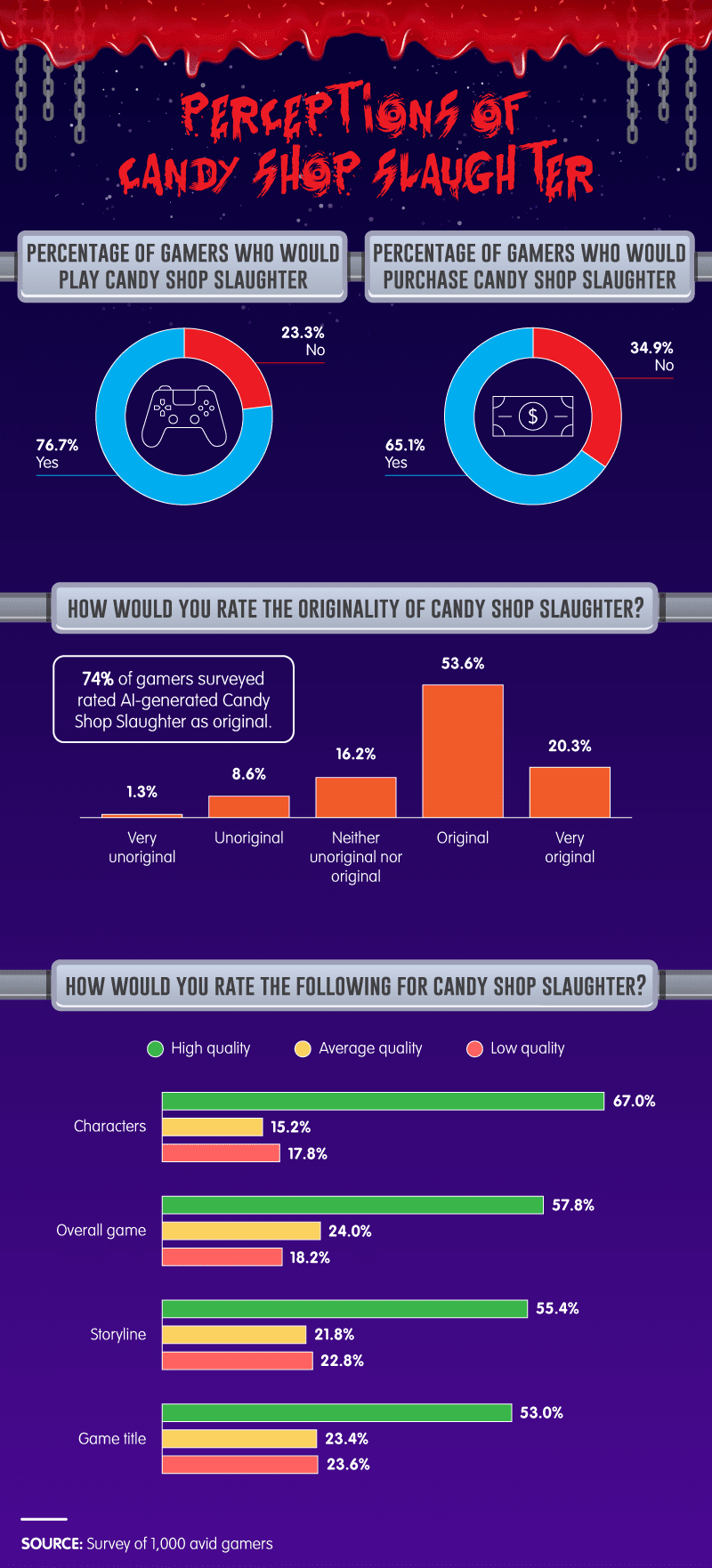
Whats this about a video game?
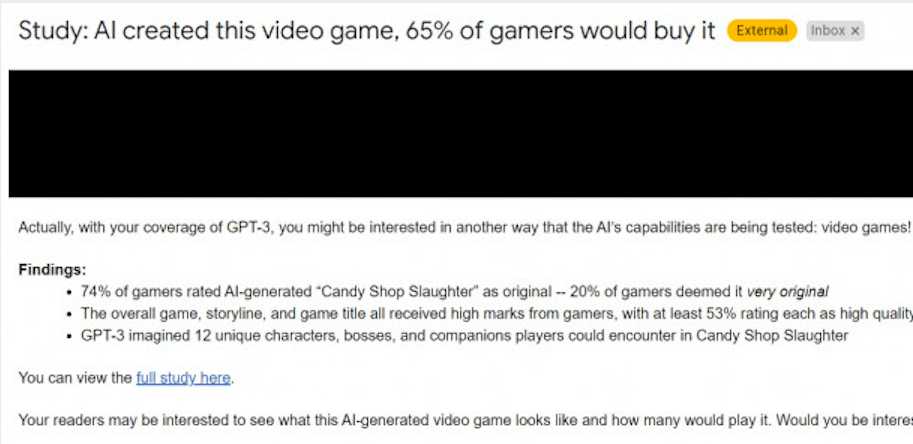
Heres the thing: This wasnt a pitch for a game or even an AI-related pitch.
As anyone whos played it can attest, its often cogent in a surreal way.
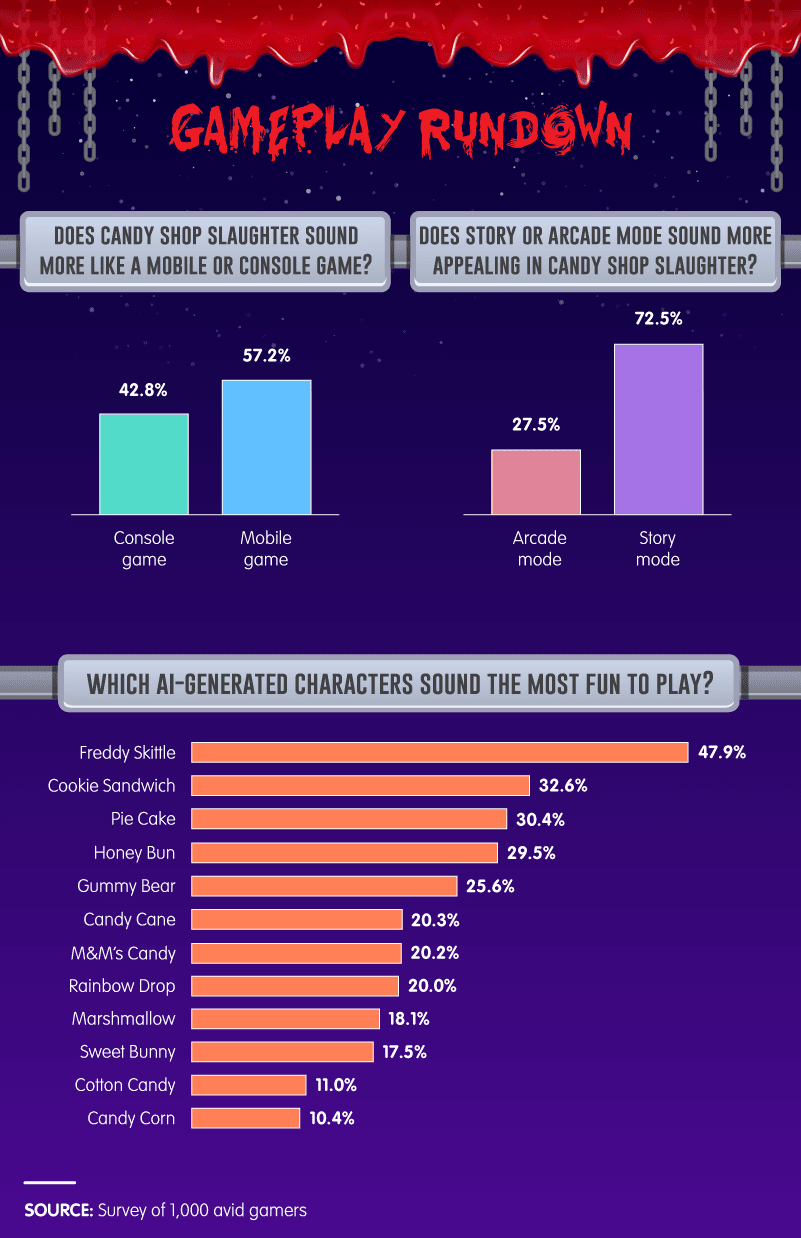
But its just as often weird and nonsensical.
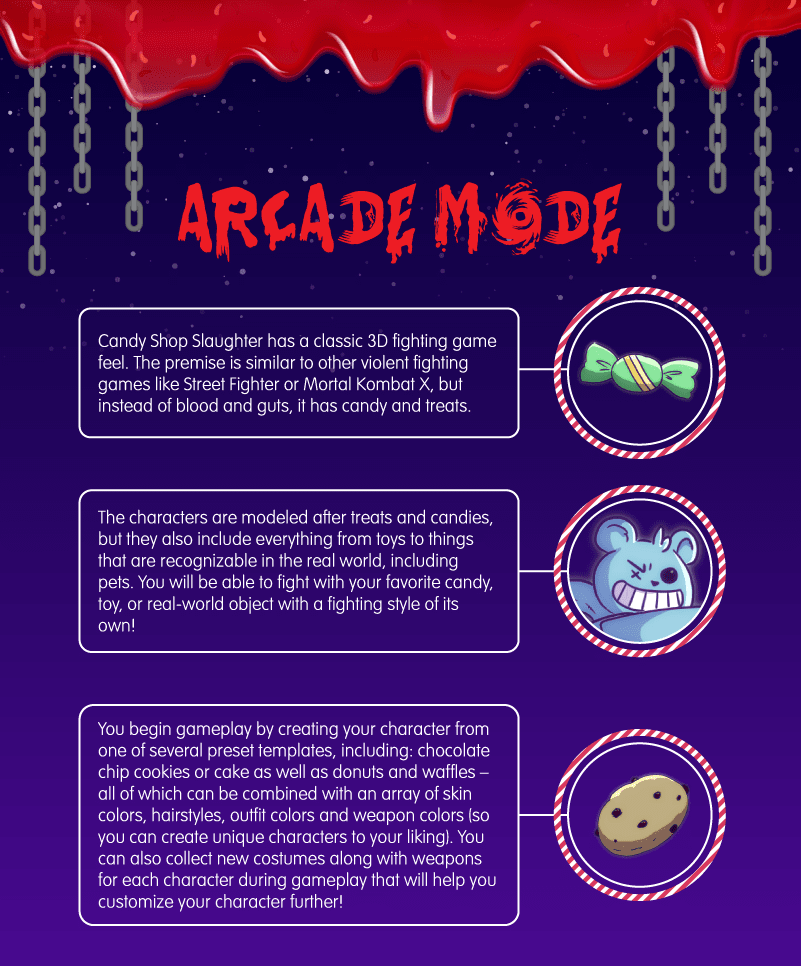
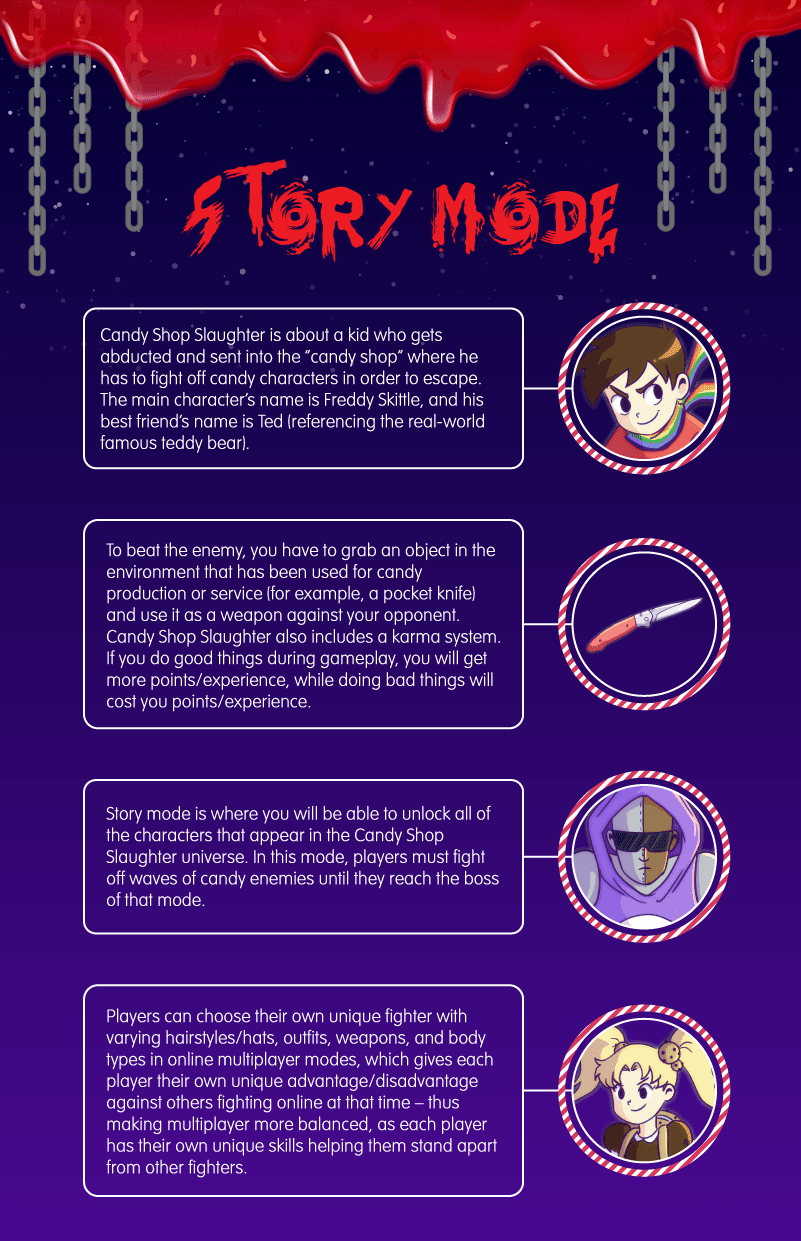
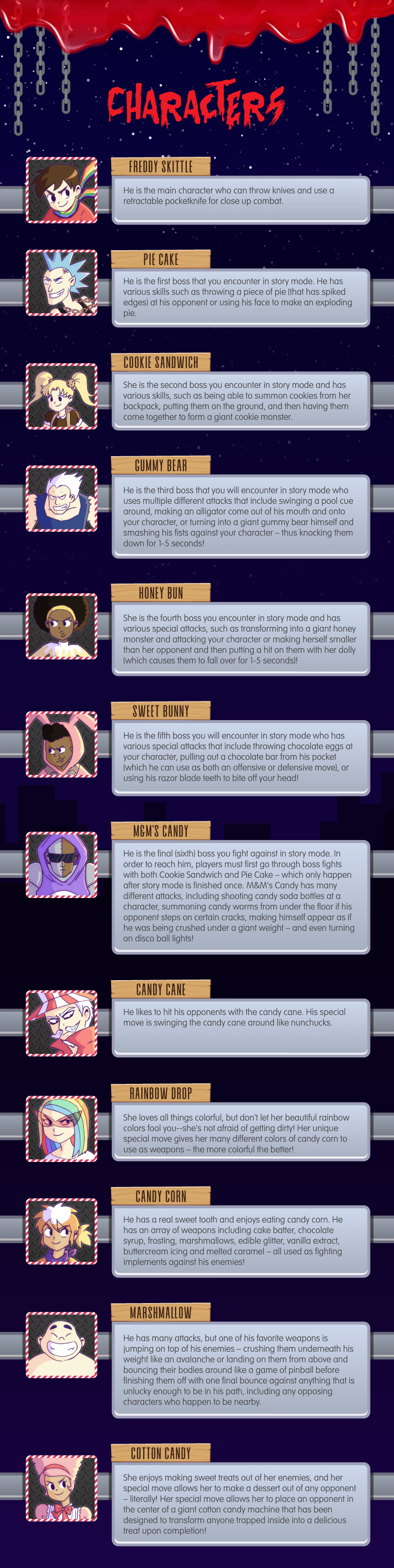
However, this marketing pitch from Online Roulette has nothing to do with the creation of an actual game.
Lets start with the survey and work our way back.
Heres the methodology sectionon the websitethe original pitch refers to:
We collected results from 1,000 avid gamers.
The survey was designed with the intent of having them rate the storylines and characters presented to them.
Respondents were not informed that the video game, storylines, and characters were AI-generated.
Video game storylines and characters were generated using GPT-3, a text-generating program from OpenAI.
Who were these avid gamers?
Were they Mechanical Turk workers?
Were they Online Roulette customers?
Were they Twitter respondents?
What exact images and text were the respondents exposed to?
Exactly what did GPT-3 generate?
Why werent the survey respondents told they were evaluating a game allegedly generated by an AI?
But lets just say they were.
It would be useless information.
Game developers spend lifetimes learning the industry and its fans.
It takes years to gain a perspective on the $90 billion video game market.
And even if you have anamazingidea, that doesnt mean itll translate into a compelling game.
Nobody is sitting around waiting for a random video game pitch-generator to spark their development careers.
But thats a ludicrous claim.
GPT-3 fundamentally does not understand the world that it talks about.
We also dont know what parts of the games marketing pitch GPT-3 actually generated.
The only thing impressive about Candy Shop Slaughter is that were talking about it.
