Last year I visited theHermitagein St Petersburg, Russia one of the best art museums in the world.
But how does that affect our actual memories of the past and how we view ourselves?
As an expert on memory, I was curious.
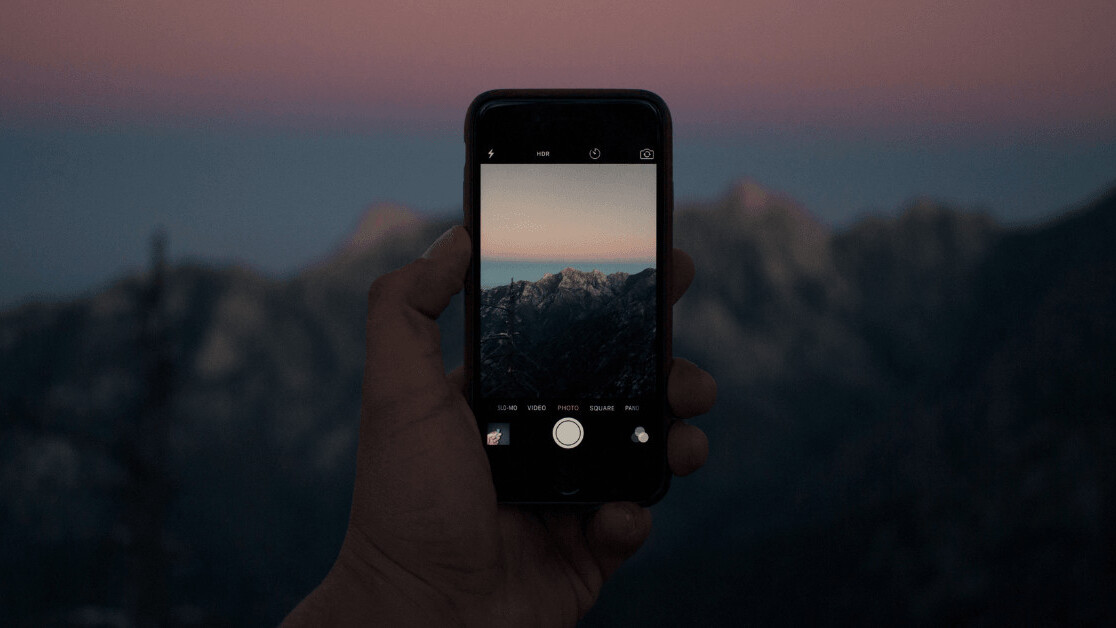
Unfortunately, psychological research on the topic is so far scant.
But we do know a few things.
We use smart phones and new technologiesas memory repositories.

This is nothing new humans have always used external devices as an aid when acquiring knowledge and remembering.
Writing certainly serves this function.
Historical records are collective external memories.

Testimonies of migrations, settlement or battles help entire nations trace a lineage, a past and an identity.
In the life of an individual, written diaries serve a similar function.
Memory effects
40% off TNW Conference!
This has serious consequences.
Relying on photos to remember has a similar effect.
Memory needs to be exercised on a regular basis so that function well.
There are many studies documenting the importance of memory retrieval practice for example in university students.
Memory is and will remain essential for learning.
Credit: Just dance/Shutterstock
However, there is a silver lining.
There is also substantial and reliable evidence that external memories, selfies included,can helpindividuals with memory impairments.
Identity distortions?
There are some rather profound risks when it comes to personal memory.
So, does constant photographic documentation of life experiences alter how we see ourselves?
There is no substantial empirical evidence on this yet, but I would speculate that it does.
Too many images are likely to make us remember the past in a fixed way blocking other memories.
They are planned, the poses are not natural and at times the image of the person is distorted.
Importantly, selfies and many other photos are alsopublic displaysof specific attitudes, intentions and stances.
That said, our natural memory isnt actually perfectly accurate.
Research shows that we oftencreate false memories about the past.
But this can create problems if our present identity becomes different from our fixed, past one.
We want to think of ourselves as having a certain unchanging core.
So our obsession with taking photos may be causing both memory loss and uncomfortable identity discrepancies.
It is interesting to think about how technology changes the way we behave and function.
As long as we are aware of the risks, we can probably mitigate harmful effects.
Just in case those photos go missing.
This article is republished fromThe ConversationbyGiuliana Mazzoni, Professor of Psychology,University of Hullunder a Creative Commons license.
