The disposal of plastics is a global problem.
They are nearly indestructible in natural conditions but are discarded worldwide on a large scale.
The world produces around359 million metric tonsof plastics each year.
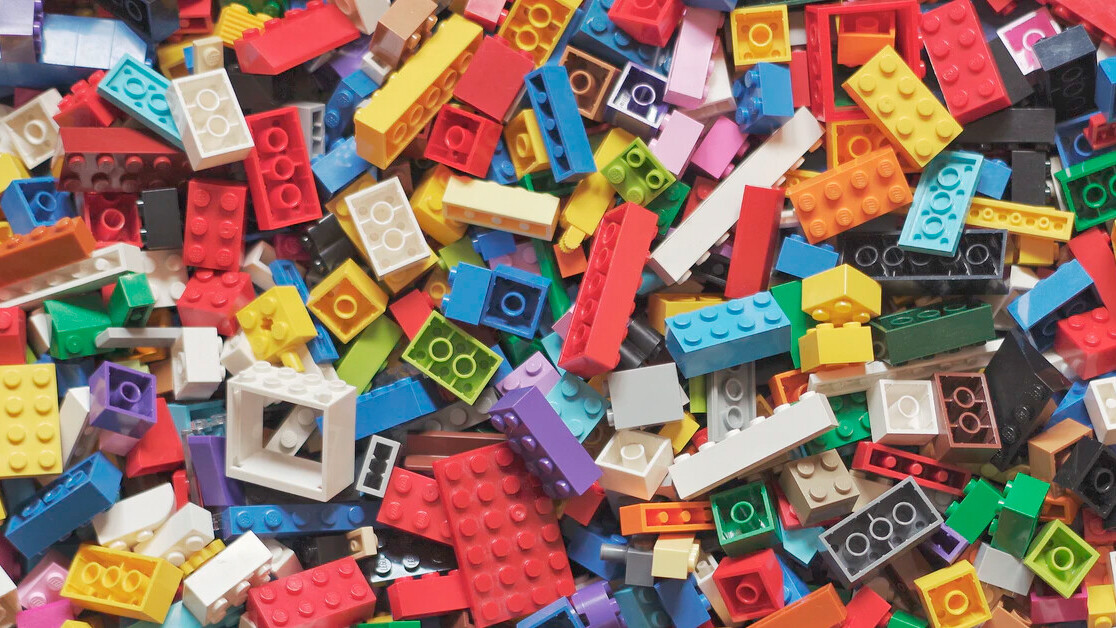
There is a consensus that plastics are an unsustainable material.
And yes, plastics are certainly an enormous problem, but they dont necessarily have to be.
The main issue is with our linear economic model: goods are produced, consumed, then disposed of.

This model assumes endless economic growth and doesnt consider the planets exhaustible resources.
Most people believe that plastics recycling is severely restricted: only a few types can be recycled at all.
The proportion of plastics that are recycled is minimal.
It’s free, every week, in your inbox.
But all polymers are, technologically, 100% recyclable.
But these properties can be recovered by mixing it to additives or virgin plastic.
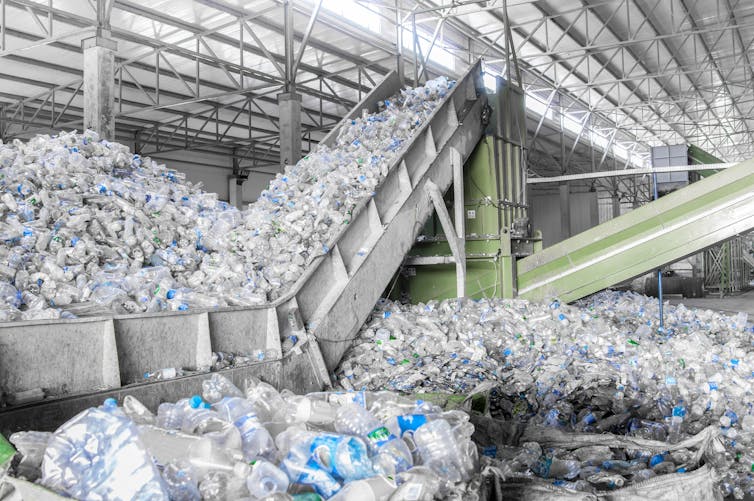
A PET plastic recycling plant.Alba_alioth/Shutterstock.com
All of the rest can technically be reprocessed into new materials for different applications.
The problem is that recycling much of this plastic waste is currently unfeasible and unprofitable.
But the amount of these materials all over the world isfrighteningly largeand keeps on growing.
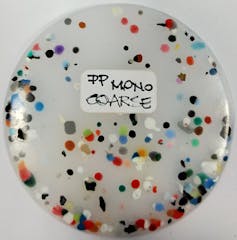
What if this plastic waste could be used to produce something useful to society?
Many universities and entrepreneurs are attempting to do this.
Most solutions target mixed plastic waste and suggest applications different from the original ones.
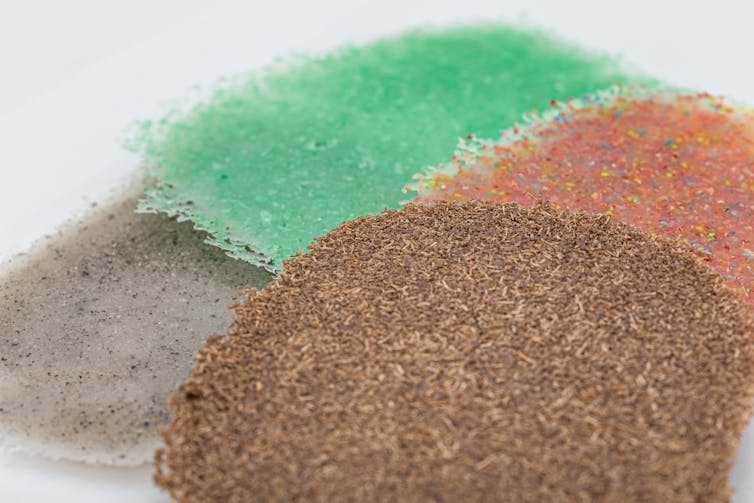
For example,severalgroupshave developedbuilding materialsmade ofplastic waste.
So what if all of this plastic waste could be converted into building materials for low-income populations?
Existing initiatives are promising, but not yet reproducible on an industrial scale.
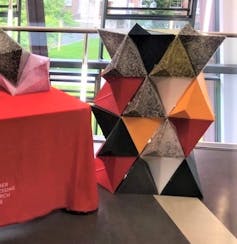
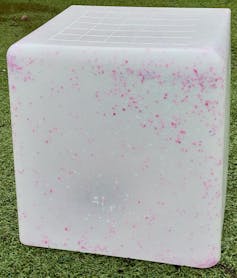
Our team is currently trying to develop aviable building blockmade of recycled plastics.
We want to use the maximum amount of recycled plastics in this block.
Blocks made of 25% recycled plastics have performed extremely well in mechanical tests.

Next, well try 50%, 75%, and 100%.
We are also thinking about the aesthetics of the blocks.
Blends of recycled mixed-color plastics usually end up with a grey or black color.
Building from waste
So perhaps plastics are not necessarily the problem.
They can be part of a pathway towards a more sustainable way of living.
Usingnatural or renewable resourcesis not necessarily environmentally friendly.
It will take political will and widespread environmental awareness to encourage more investment into the potential in plastics recycling.
