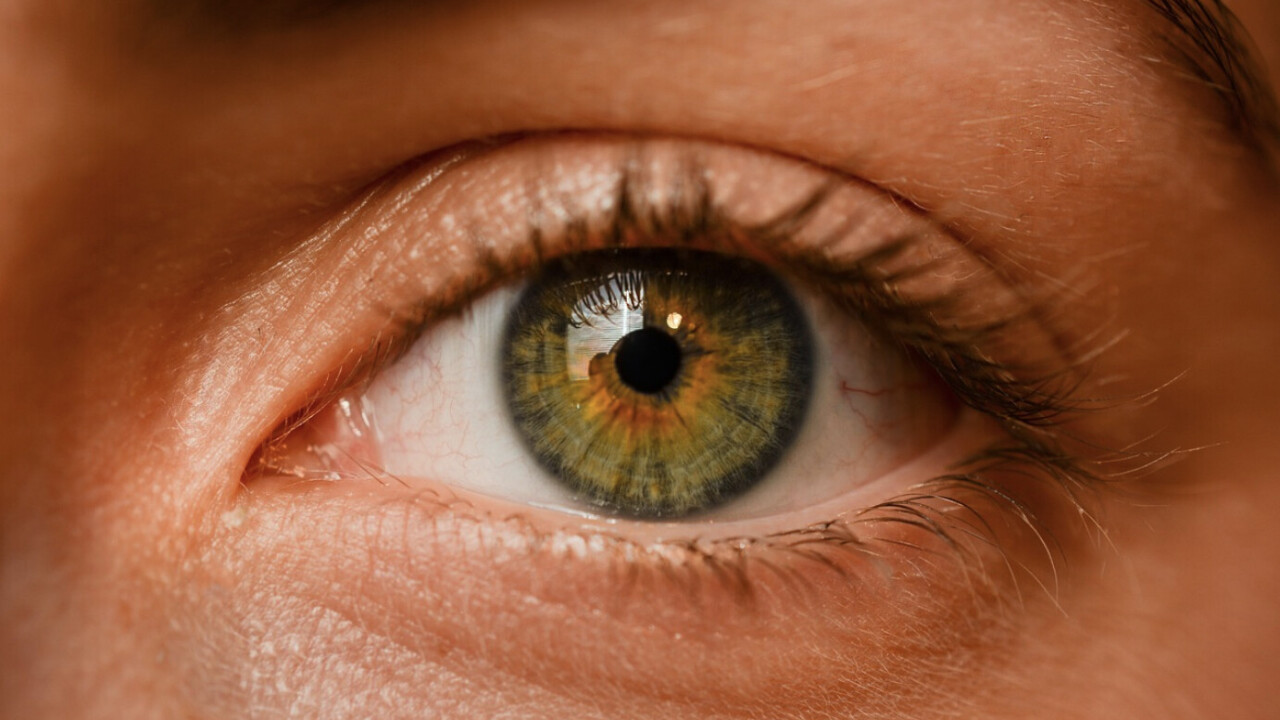
Its a common saying that the eyes are the windows to the soul.
The Gini Index measures the concentration of light within a picture of a galaxy based on pixels.
It’s free, every week, in your inbox.
Similarly, the CAS system enables astronomers to measure the light distribution in galaxies so that identify their morphology.
The team used both tools to compare the left and right eyeballs in the real and deepfake images.
If the light reflections in both eyes match, then its likely a real photo.

If not, the results indicate a deepfake.
Its important to note that this is not a silver bullet for detecting fake images, professor Pimbblet said.
There are false positives and false negatives; its not going to get everything.

The rapid rise of deepfakes comes with a series of serious risks: fromfraud attemptstosexual harassmentandpolitical manipulation.
Among efforts to combat related threats, it seems astronomy could also offer a potential solution.
Story byIoanna Lykiardopoulou
Ioanna is a writer at TNW.

With a background in the humanities, she has a soft spot for social impact-enabling technologies.
