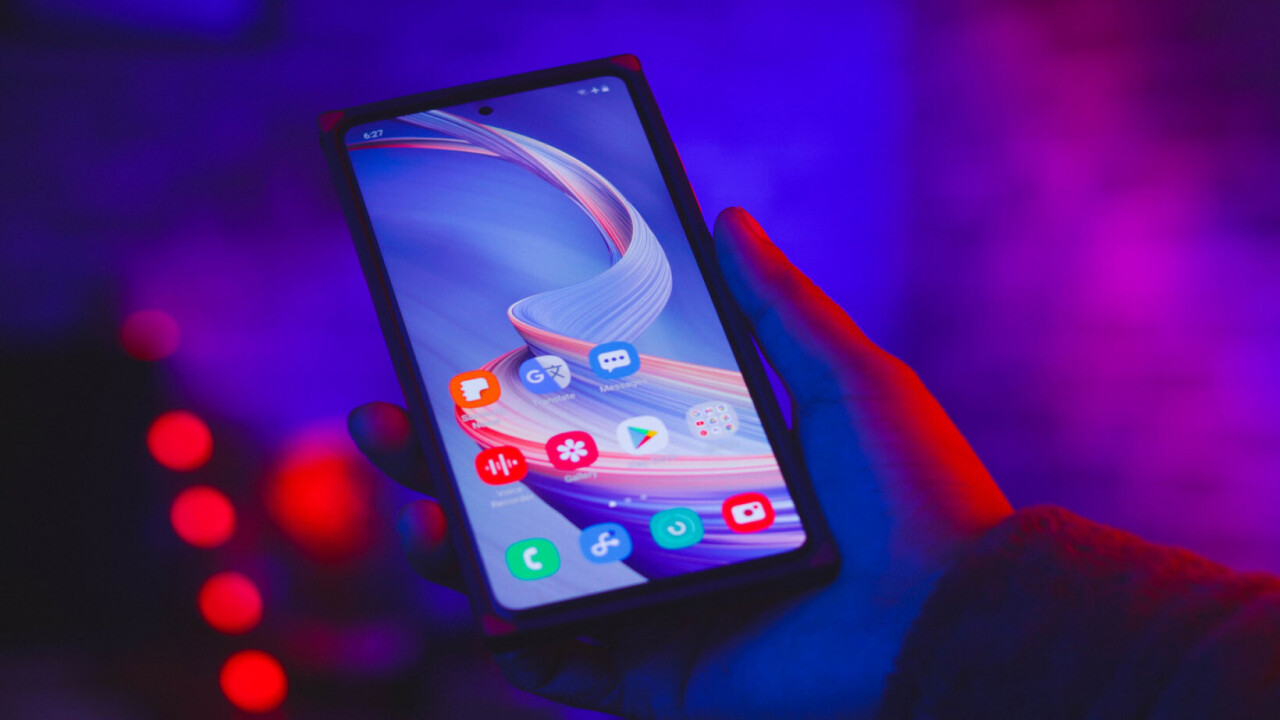
Have you ever imagined your smartphone or tablet without a touchscreen?
This compound is optically transparent and electrically conductive the two crucial features required for touch screens to work.
But theres a problem: we have no guaranteed long-term supply of indium.
It is naturally found only in tiny traces and is therefore impractical to mine directly.
Almost all of the worlds indium comes as a byproduct of zinc mining.
A worsening problem
40% off TNW Conference!
One option is to try and recycle indium.
But recovering it from used devices is expensive because of the tiny amounts involved.
When a crucial material is in short supply, we should look for alternatives.
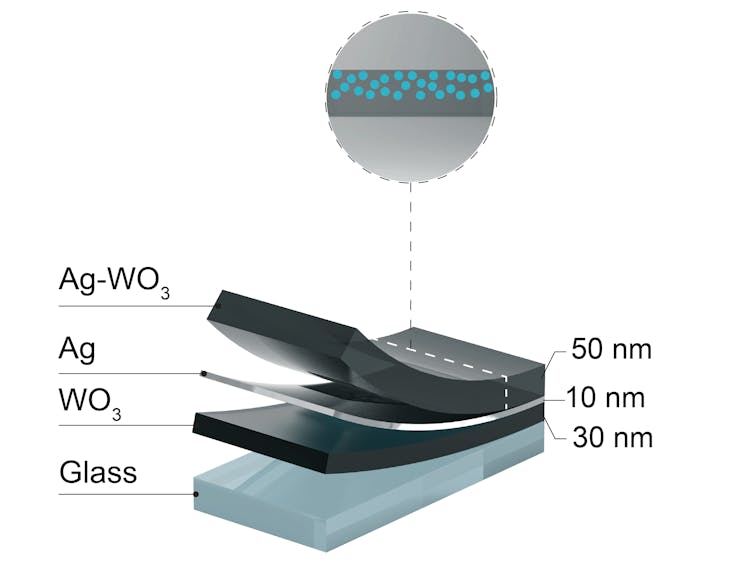
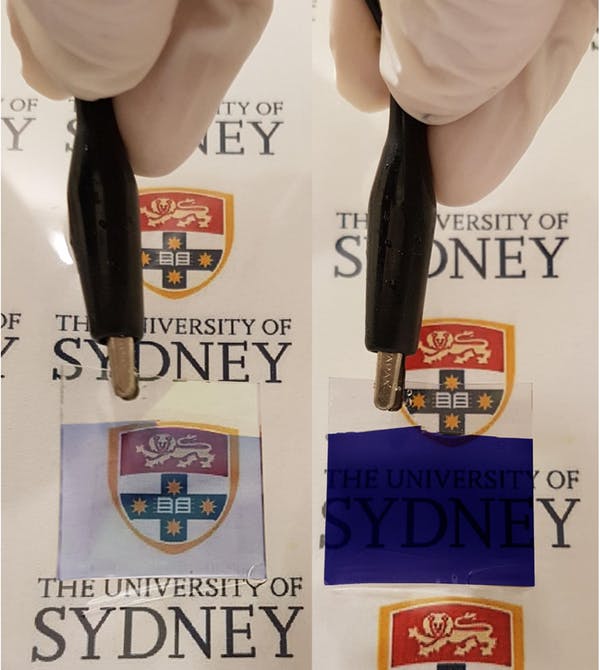
And thats exactly what my colleagues and I have found.
How does it work?
Our Sun, like most stars, is essentially a giant ball of glowing plasma.
Closer to home, fluorescent light bulbs and neon signs also contain plasma.
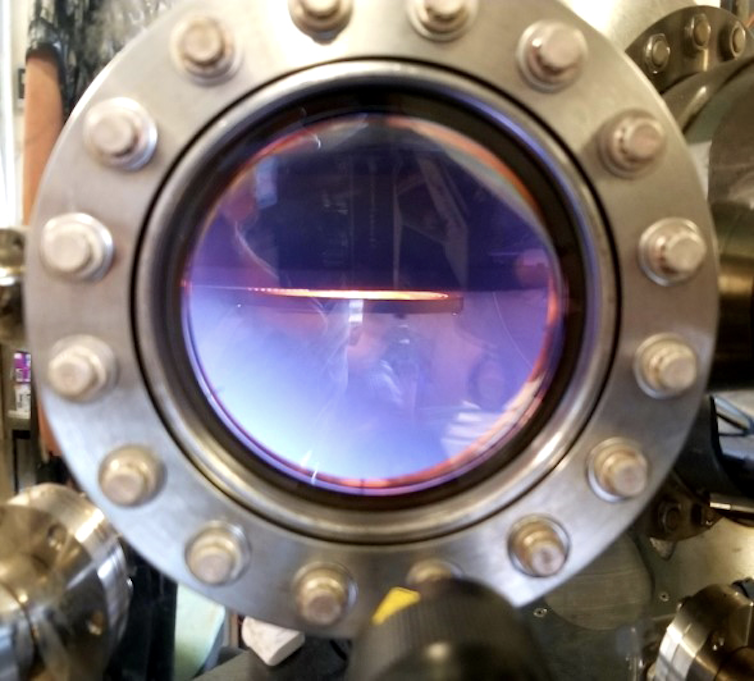
The new material is created using a process called plasma sputtering.
This structure is less than 100 nanometres thick roughly one-thousandth of the width of a human hair.
These ultra-thin sandwich layers are created and coated onto glass using a process called plasma sputtering.
