40% off TNW Conference!
Our findings werepublished on April 30in the journal Nature.
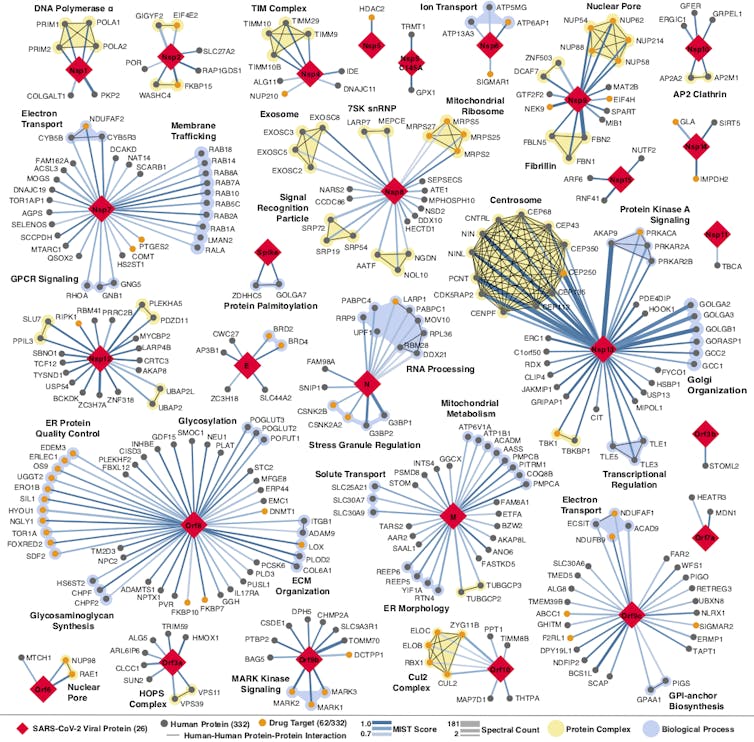
Every place that a coronavirus protein interacts with a human protein is a potential druggable site.
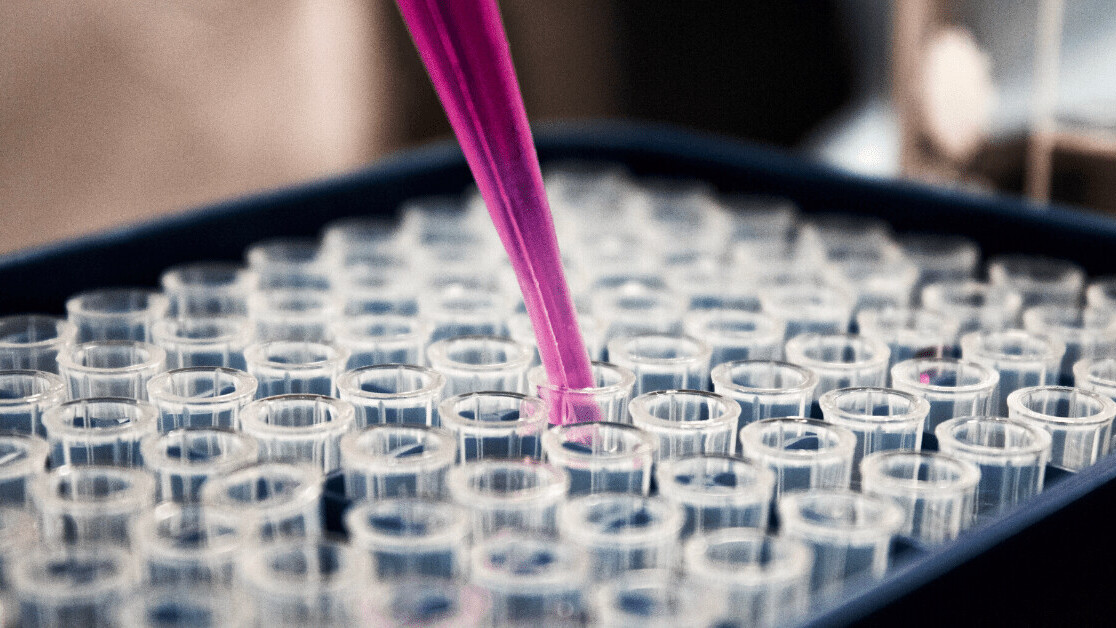
It would be optimal to test the drugs in infected human cells.
However, scientists dont yet know which human cells work best for studying the coronavirus in the laboratory.
Instead we used African green monkey cells, which arefrequently used in place of human cellsto test antiviral drugs.
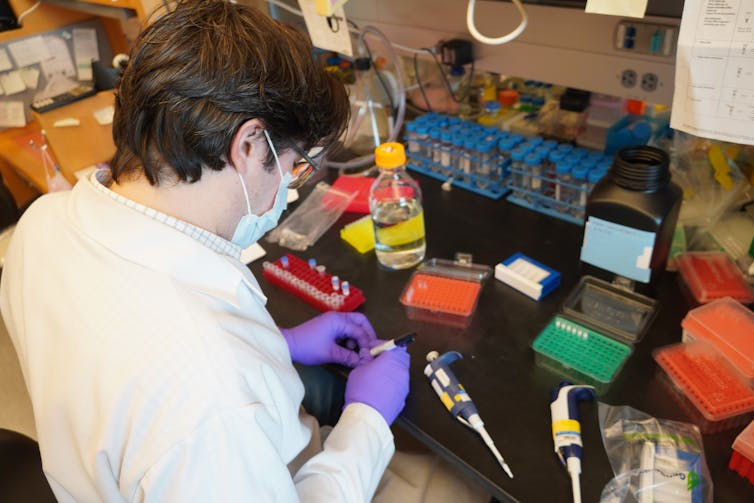
They then measured the amount of virus in the samples and the number of cells that were alive.
The teams were also looking to see how toxic the drugs were to the cells.
It is incredibly important to remember that these are preliminary findings and have not been tested in people.
No one should go out and buy these drugs.
But the results are interesting for two reasons.
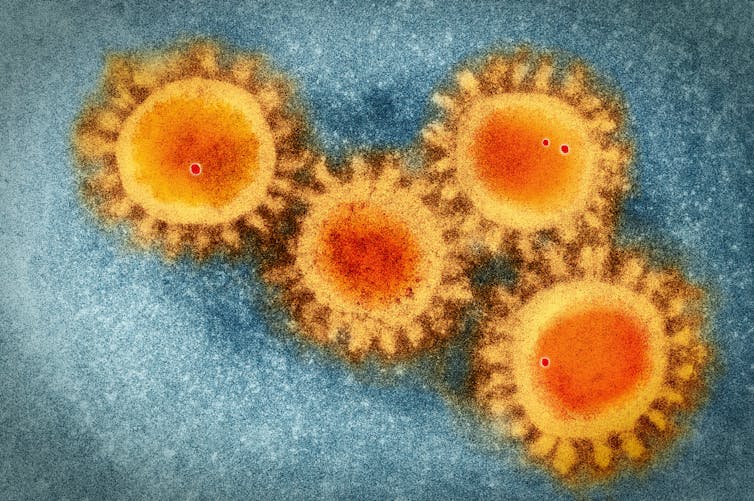
These new viruses then go on to infect other cells.
One step of this process involves the cell making new viral proteins out of viral RNA.
This is called translation.
After testing them, we found two compounds that disrupt the translation of the virus.
The two compounds are calledternatin-4andzotatifin.
Plitidepsinis a similar molecule to ternatin-4 and is currently undergoing aclinical trial to treat COVID-19.
The second drug,zotatifin, hits a different protein involved in translation.
The coronavirus attacks human cells using dozens of devious tricks.
Cell receptors are found both inside of and on the surface of all cells.
They actlike specialized switches.
When a specific molecule binds to a specific receptor, this tells a cell to do a specific task.
Viruses often use receptors toinfect cells.
Our original map identified two promisingMV cell receptorsfor drug treatments, SigmaR1 and SigmaR2.
Testing confirmed our suspicions.
We identified seven drugs or molecules that interact with these receptors.
Two antipsychotics,haloperidolandmelperone, which are used to treat schizophrenia, showed antivira>l activity against SARS-CoV-2.
Remember, all these interactions have so far only been observed in monkey cells in petri dishes.
At this time we do not know exactly how the viral proteins manipulate the SigmaR1 and SigmaR2 receptors.
Neither people nor policymakers nor media outlets shouldpanic and jump to conclusions.
But based on our experiments in both labs, we do not think hydroxychloroquine binds to them efficiently.
Researchers have long known that hydroxychloroquine easily binds to receptors in the heart andcan cause damage.
We not only found multiple drugs that might fight SARS-CoV-2, we learned how and why.
But that is not the only thing to be excited about.
Are these promising leads going to have any effect?
The next step is to test these drugs in human trials.
