This is just common sense.
These common-sense laws of the physical world are universally understood by humans.
But scientists are still puzzled by some aspects of how we achieve this fundamental understanding.
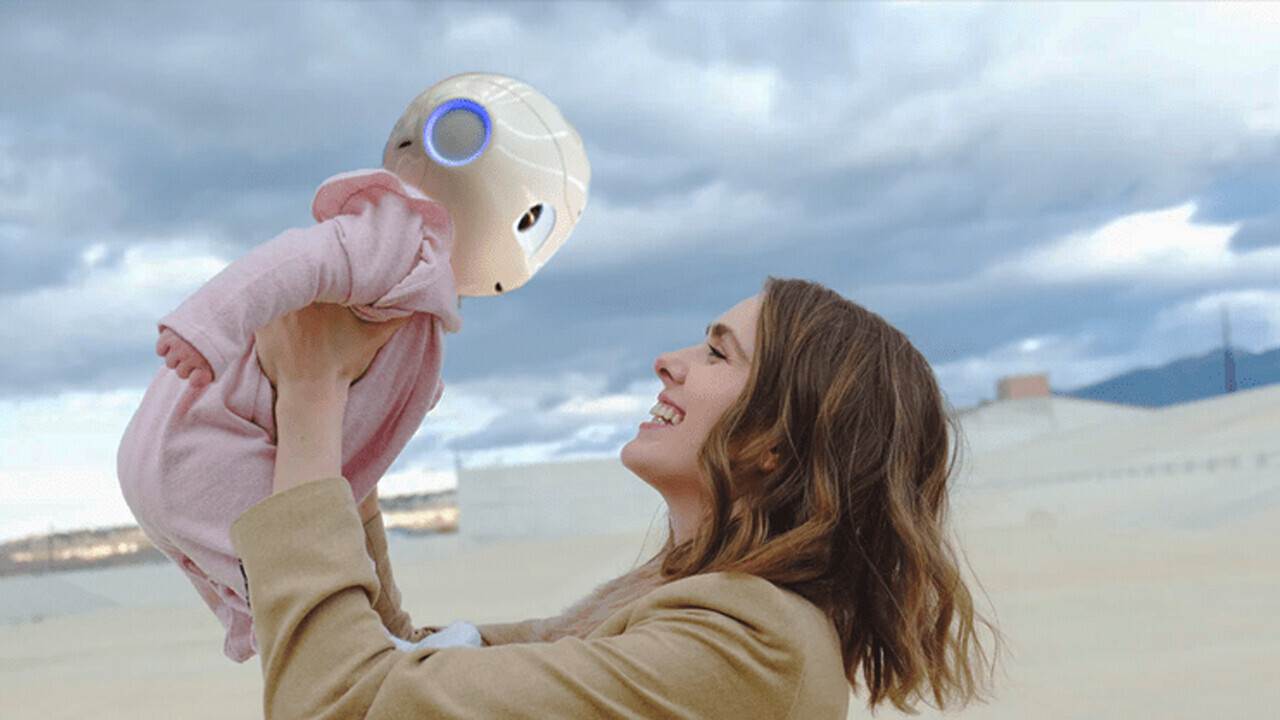
And weve yet to build a computer that can rival the common-sense abilities of a typically developing infant.
It’s free, every week, in your inbox.
But research on infants suggests this is not what babies do.

Instead of building knowledge from scratch, infants start with some principledexpectationsabout objects.
This is a core assumption that starts them off in the right direction.
Their knowledge then becomes more refined with time and experience.

Cube slides and balls into walls
The researchers compared both approaches.
In the blank-slate version, the AI model was given several visual animations of objects.
In some examples, a cube would slide down a ramp.
In others, a ball bounced into a wall.
This performance was compared to a model that had principled expectations built in before it experienced any visual animations.
These principles were based on the expectations infants have about how objects behave and interact.
For example, infants expect two objects should not pass through one another.
If you show an infant a magic trick where you violate this expectation, they can detect the magic.
Infants also expect an object should not be able to just blink in and out of existence.
Theycan detectwhen this expectation is violated as well.
An innate understanding?
Its clear learning through time and experience is important, but it isnt the whole story.
