I first listened to the minuscule Devialet Phantom Reactors in the companys New York showroom in late 2018.
The software is their only real blemish.
If you follow high-end audio, youve probably heard of Devialet before.
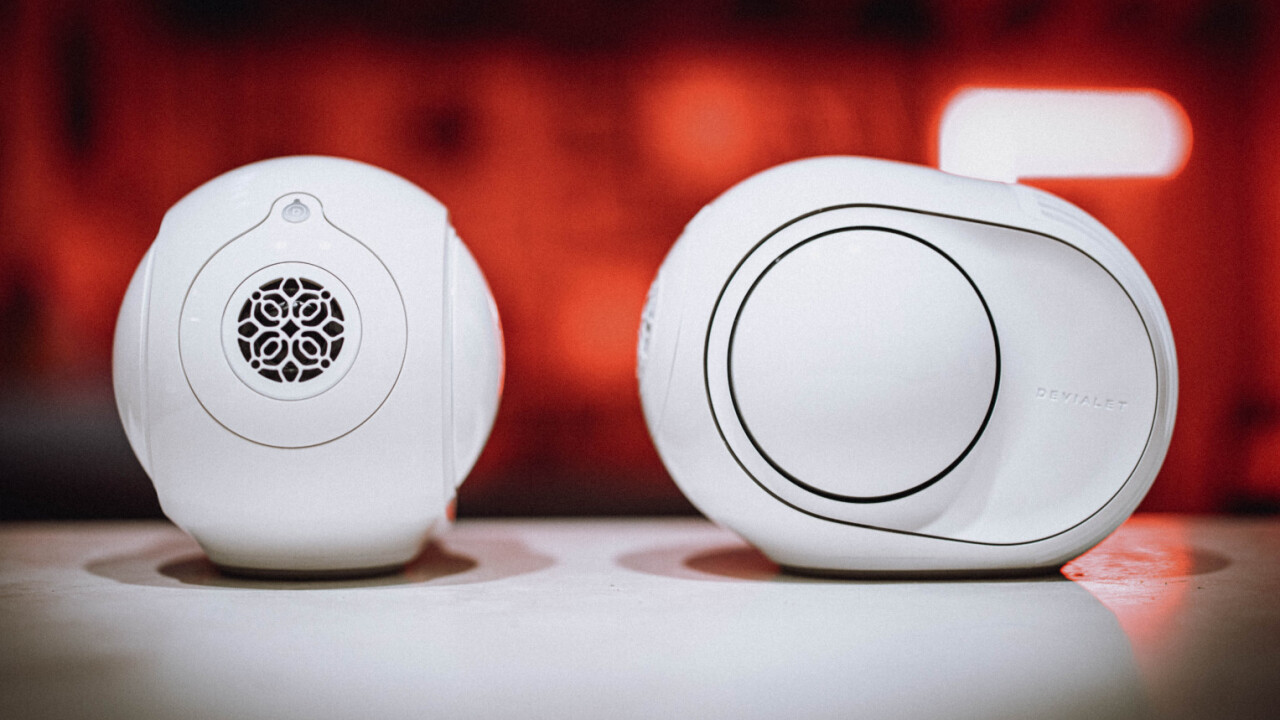
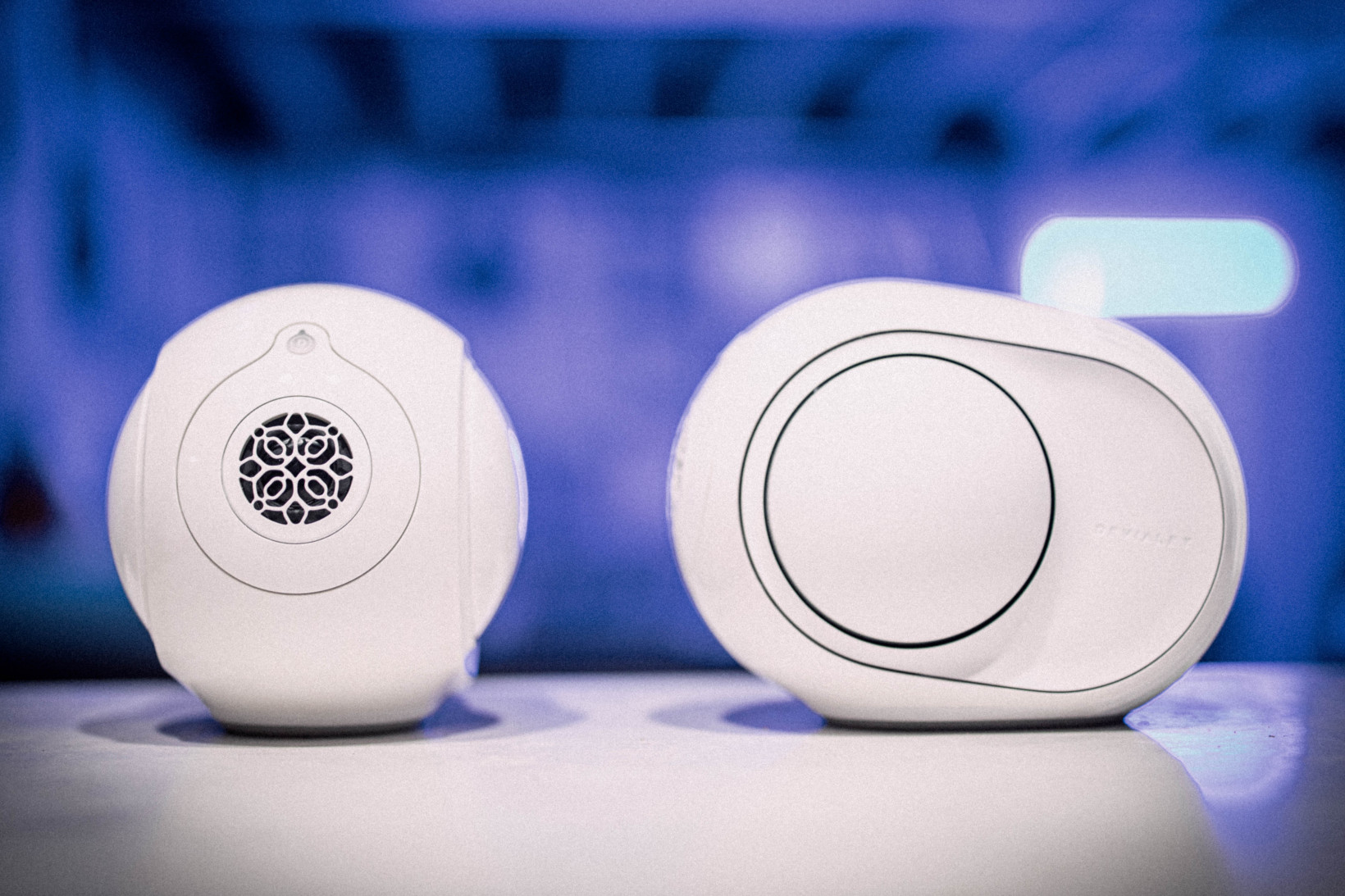
Did I mention its small?
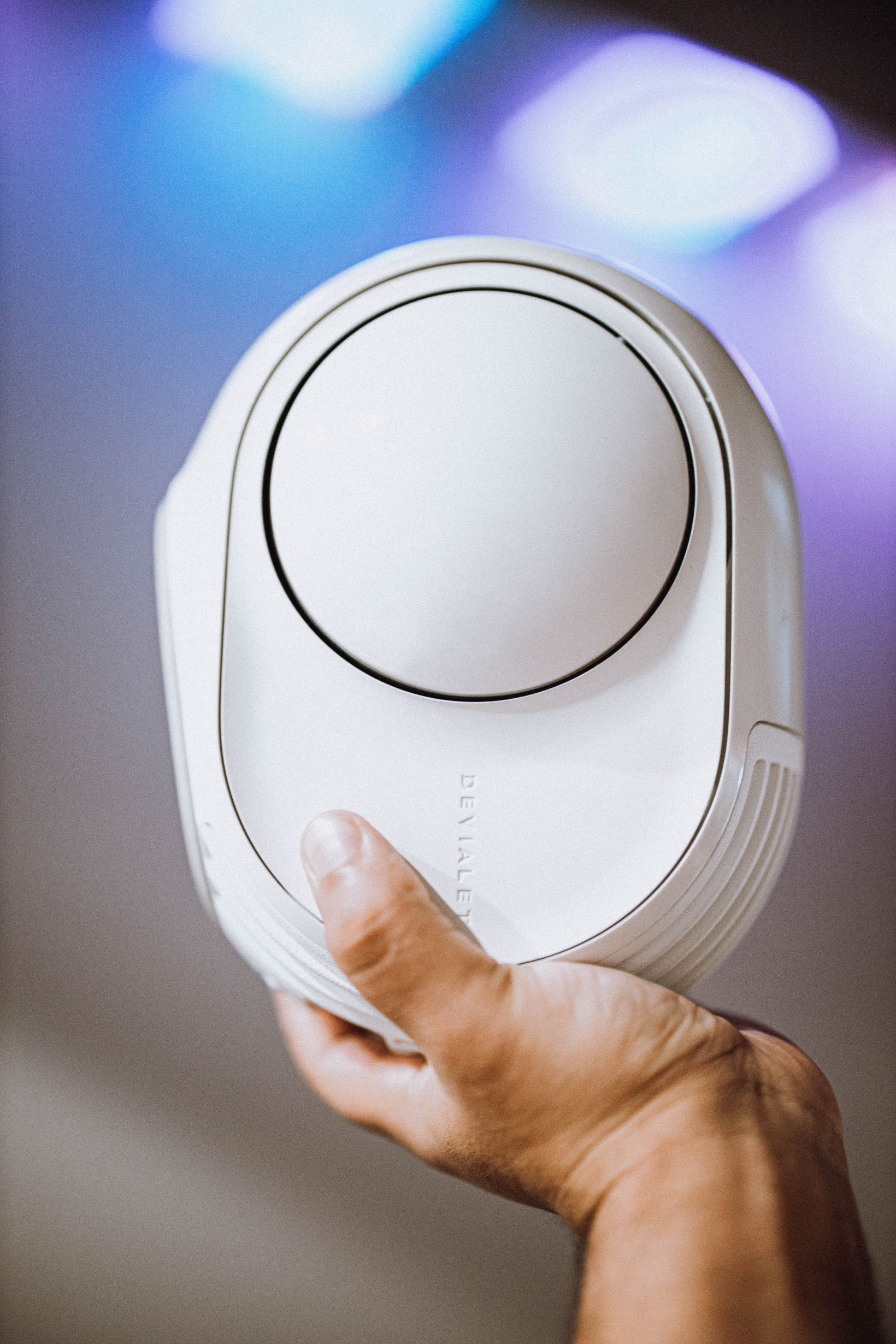
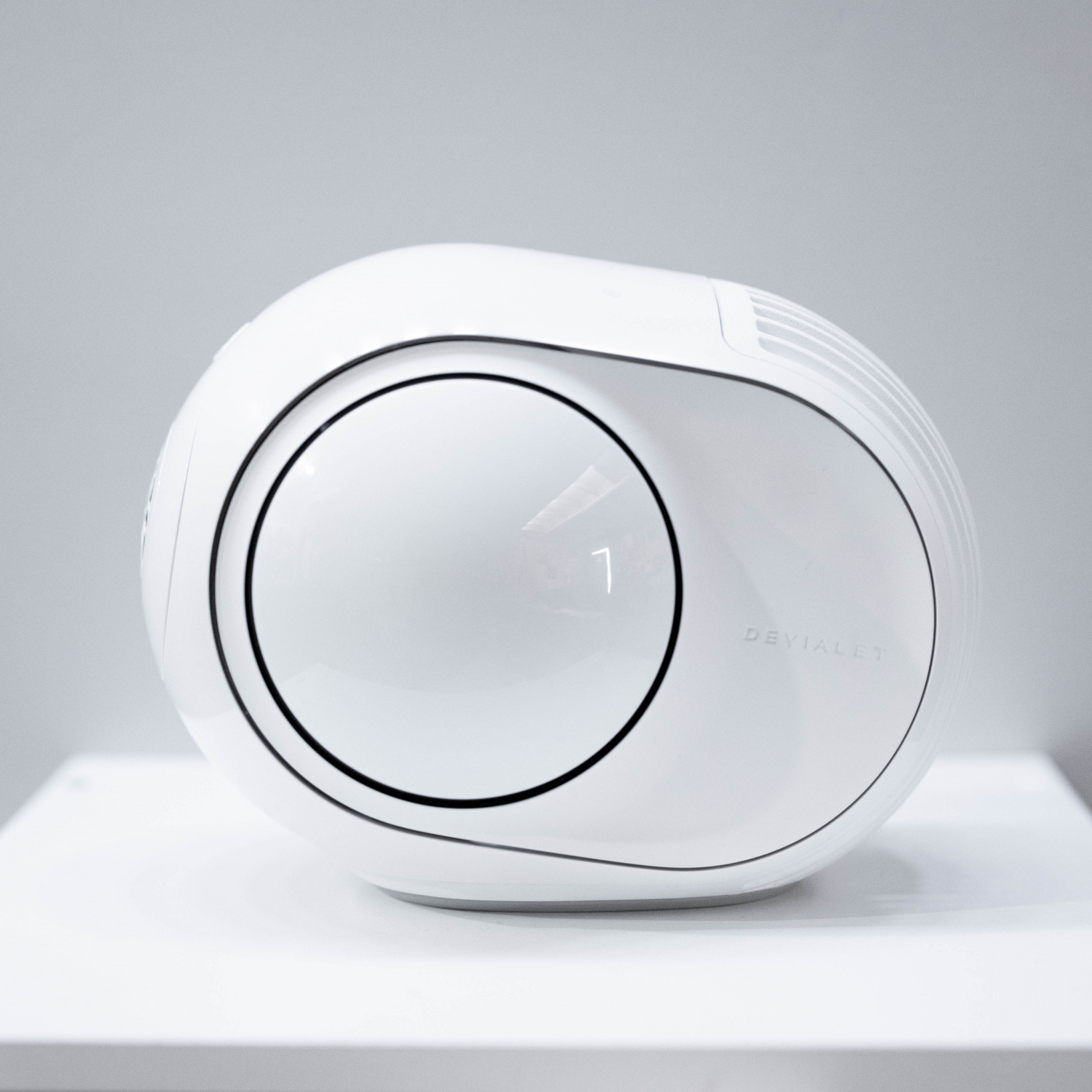
The Reactor 900 measures approximately 17x22x16cm (6.68.561 inches).
Thats just a bit bigger than the Sonos Move, and smaller than the vast majority of bookshelf speakers.
40% off TNW Conference!
As well see in the measurement section, Devialet more than delivers.
Its a welcome change, as previously you were forced to doeverythingfrom Devialets mobile app.
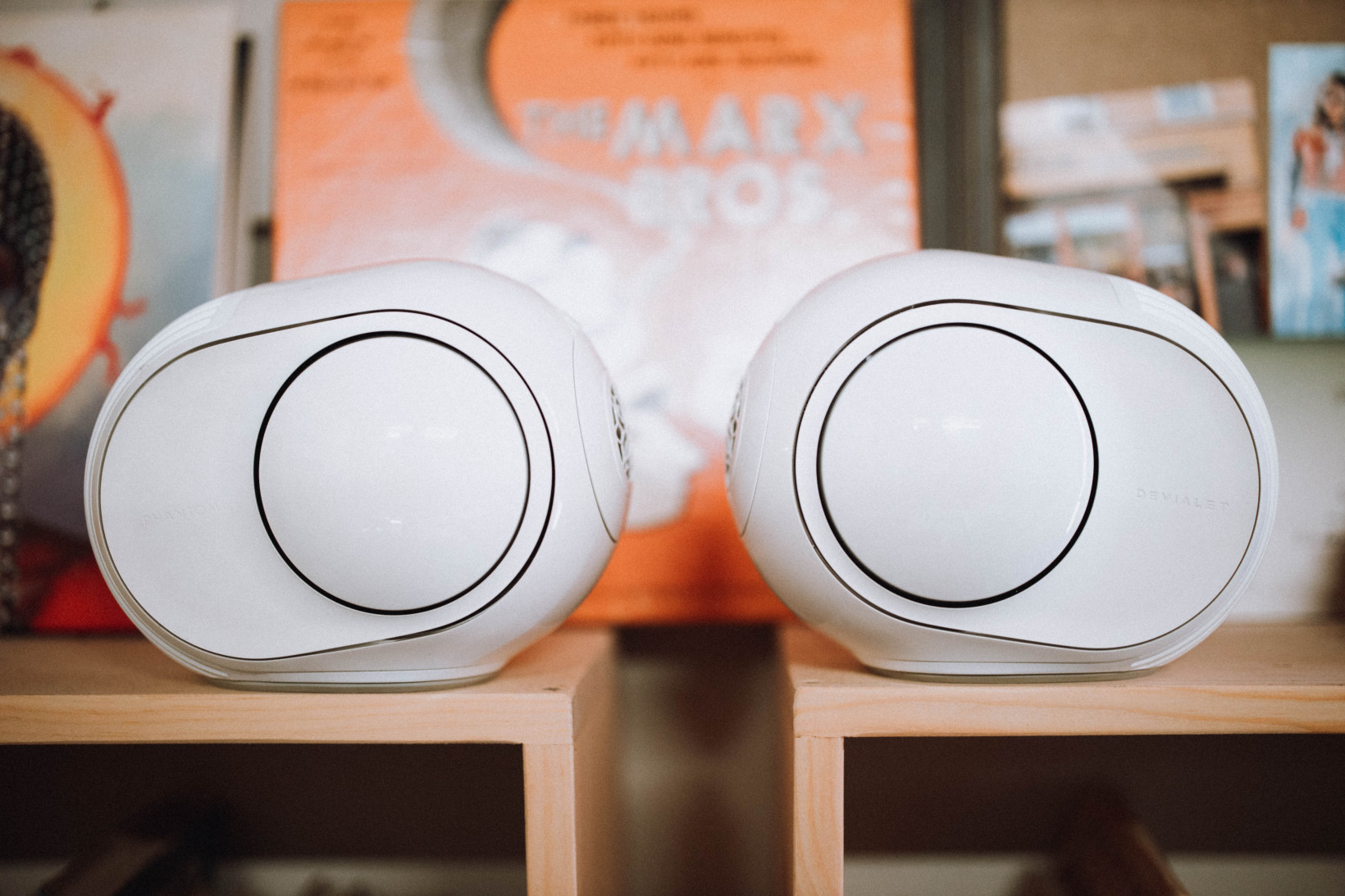
Another major usability improvement: you dont need a special accessory to use the speakers in stereo.
Thats a thing of the past with the Phantoms.
Unfortunately, the stereo experience still isnt as reliable as it should be.
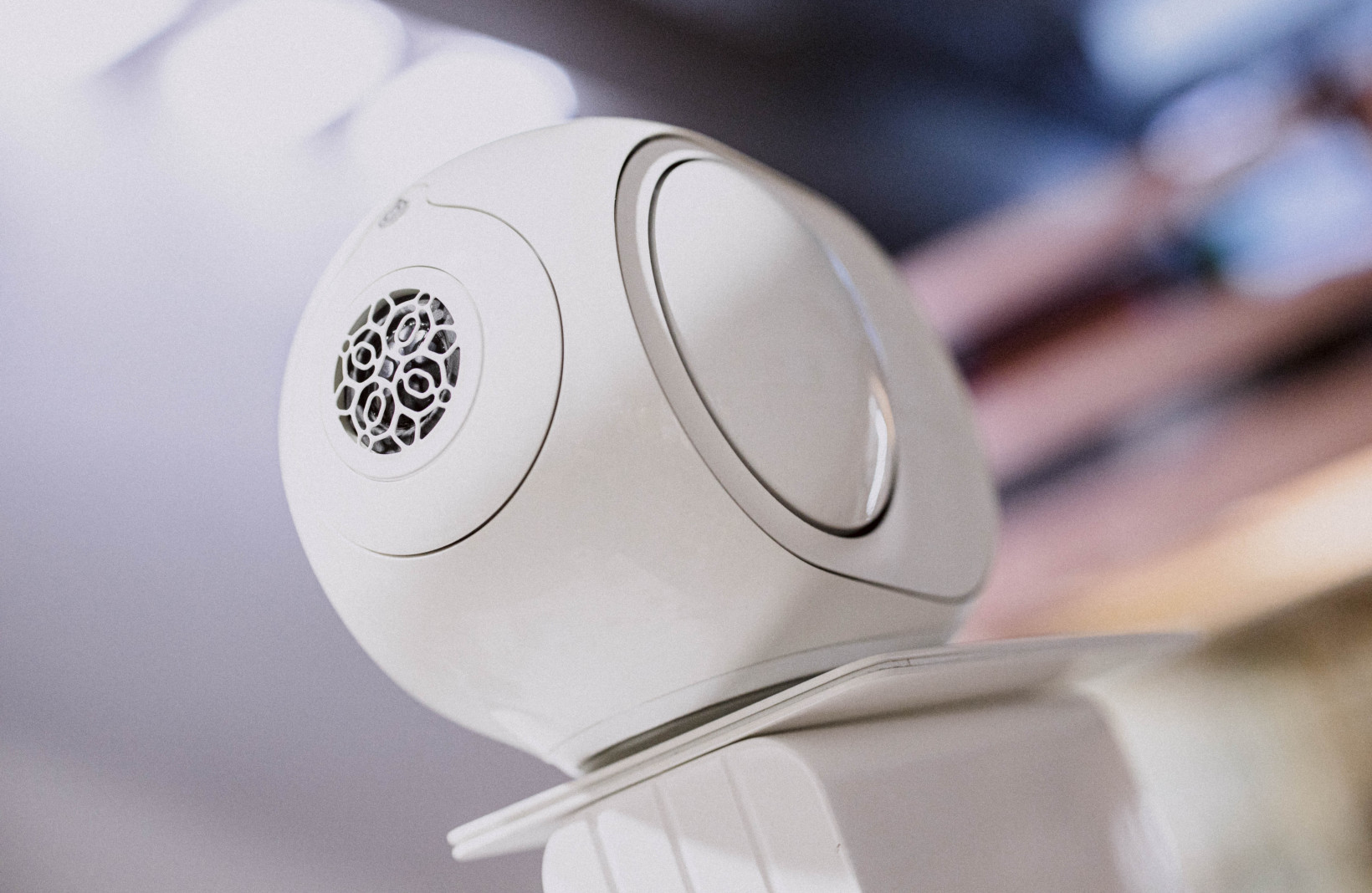
Ive not had similar issues with other wireless speakers in my home.
The only reason I put up with it is that the Reactors sound so darn good.
But the bass is the star of the show.
I tried pairing them with my subwoofer, but it was to the Reactors detriment.
They simply dont need the help.
These qualities are readily apparent in the Reactors measurements.
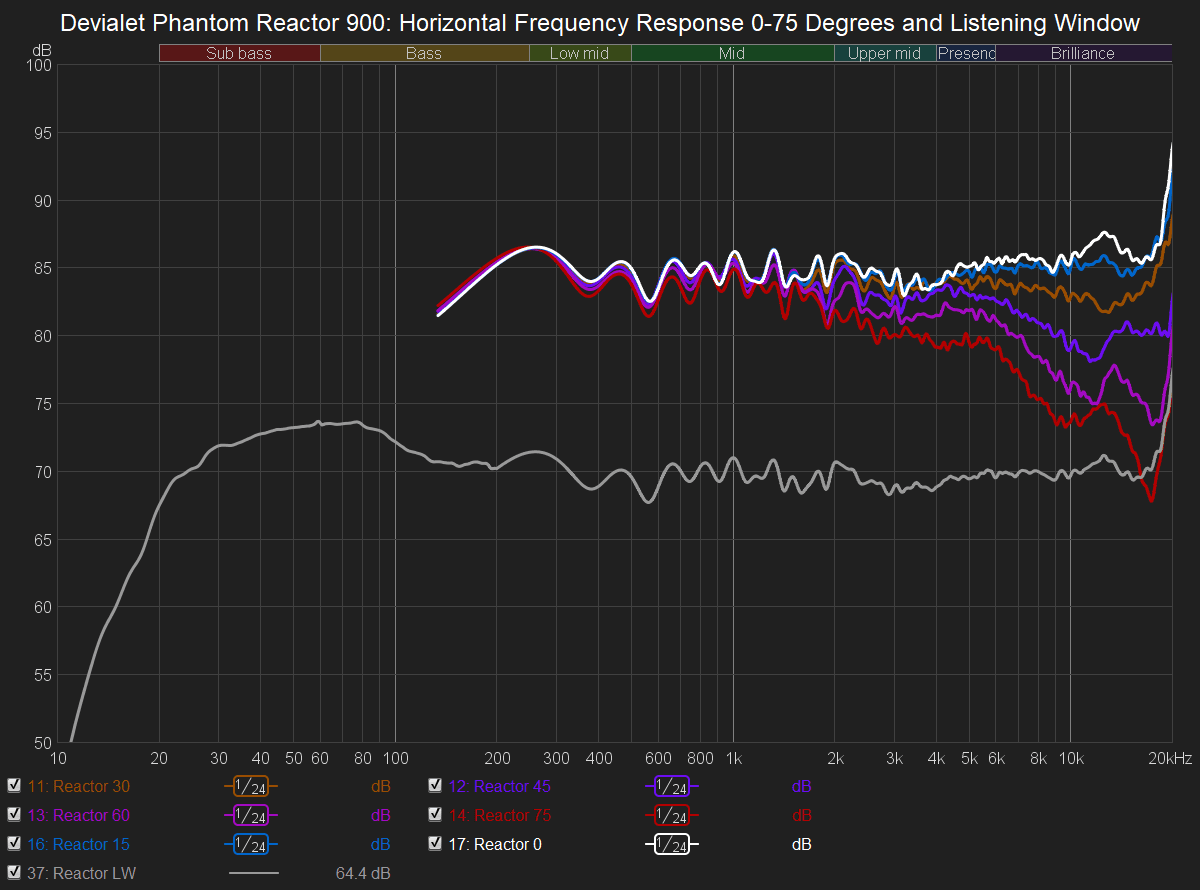
Its probably the most important individual curve.
The Reactor performs remarkably.
It maintains ample energy up to about 6KHz.
This all suggests an expansive, stable soundstage.
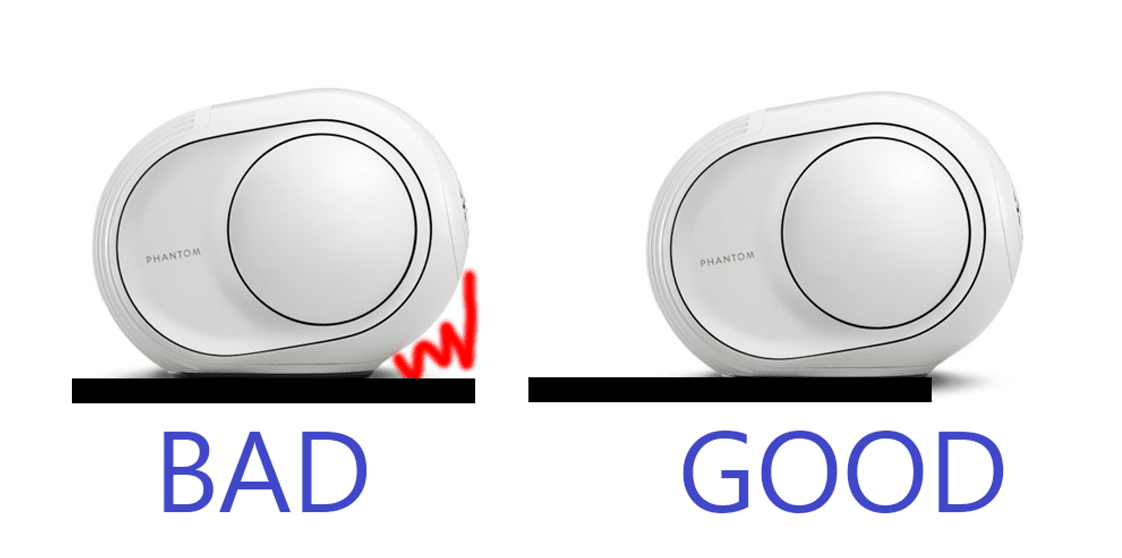
The front should protrude a few inches.
I suspect this has something to do with the quasi-spherical enclosure allowing the wavefront to wrap around the speaker.
Repositioning the speakers as shown on the right promptly fixed the issue.
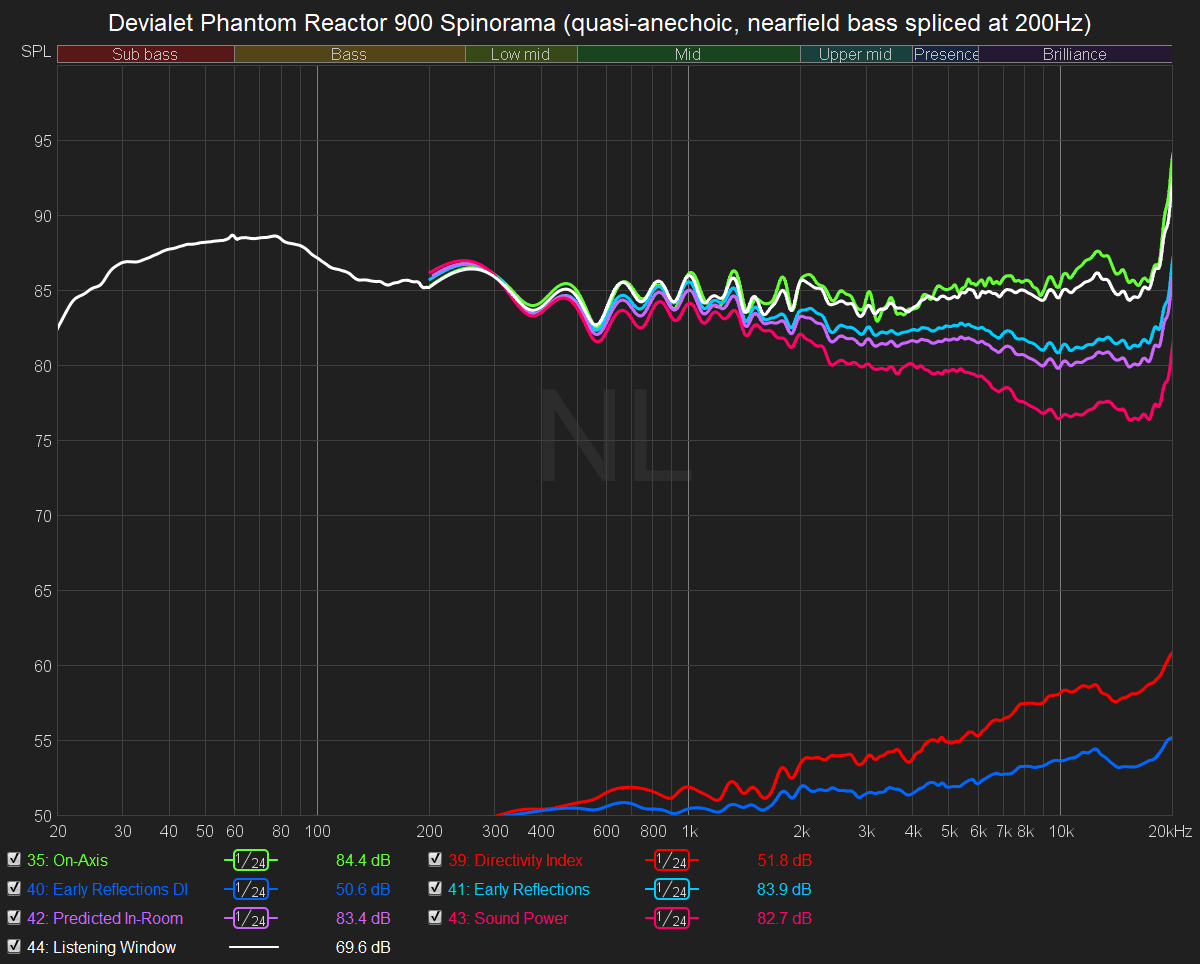
Putting it all together is a measurement standard called the CTA-2034-A.
Its an average of several horizontal and vertical angles mostly in the front hemisphere deemed to be perceptually important.
The Predicted In-Room curve in purple is just what it sounds like.
Its the predicted response if we were to measure from the listening position in a room.
It usually closely tracks the early reflections curve, as seen here.
At the bottom are the two Directivity Index curves.
These are taken by subtracting the Early Reflections Curve and Sound Power curve from the Listening Window.
As such, they represent the speakers directivity how much it radiates sound forward at various angles.
Most speakers will tend to become more directive as the frequency increases, as shown here.
The only issue is above 10KHz, but most people arent terribly sensitive in this region.
I have almost nothing to complain about the Reactors performance.
If anything, its only real problem is that it hastoo muchbass.
That bump in the bass suggests the Reactors will have too much energy from roughly 20 to 100Hz.
Otherwise, make a run at keep them a few feet from the walls.
The Reactor 900 is no different.
The speakers were 1-2 feet from the rear wall, giving them significant bass reinforcement they didnt need.
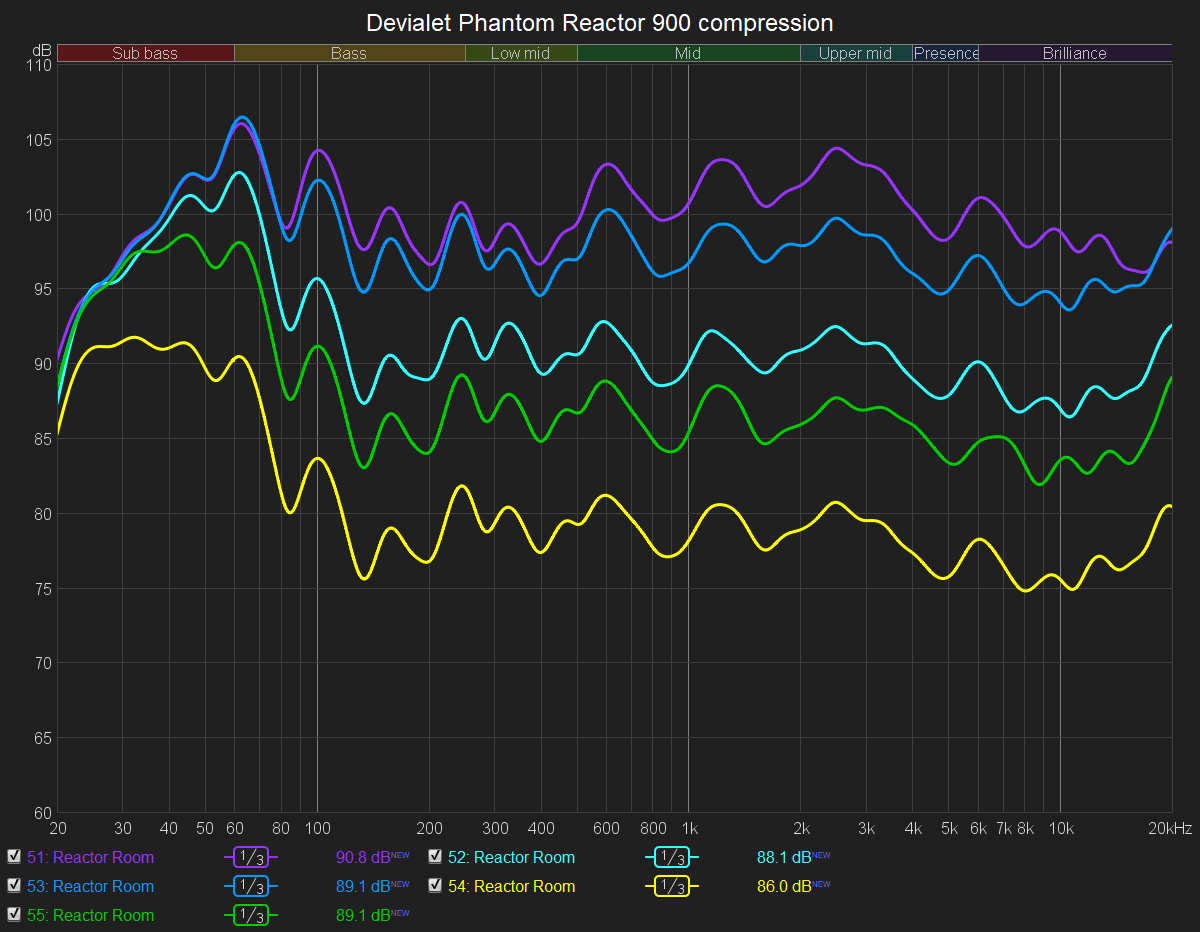
The purple curve is at maximum volume.
you’re able to see that the sub-bass starts to become limited below 60Hz above 95dB or so.
This is a good result.
95dB in a home isveryloud.
My typical listening levels are below 75dB.
The Devialet Phantom Rector is a speaker unlike anything else on the market.
It looks cool, it sounds fantastic, and its absolutely tiny.
As a full range, compact, all-in-one sound system, its hard to beat what Devialet is offering.
This post contains affiliate links to products it’s possible for you to buy online.
If you purchase a product using one, TNW gets a small cut of the revenue.
