What happens when an autonomous vehicle gets stuck in the mud?
Researchers from Carnegie Mellon University wanted to find out.
They took an all-terrain vehicle off-road.
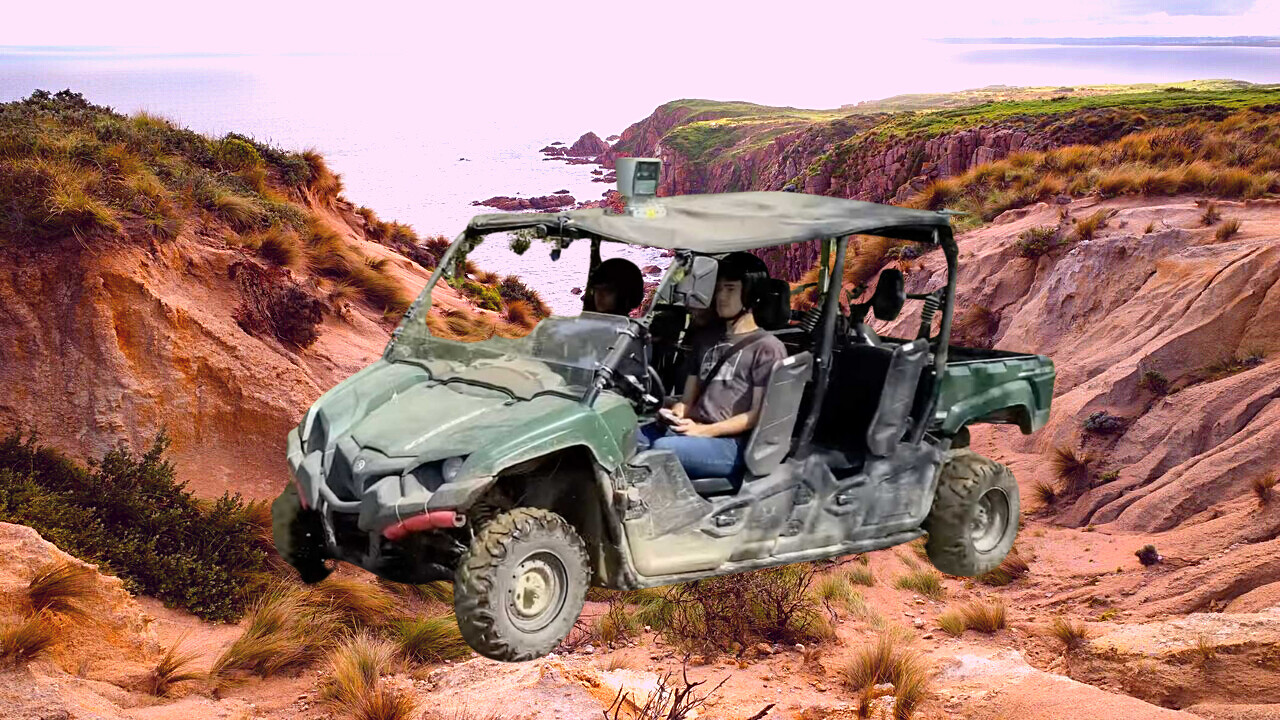
With researchers on board, it traveled through challenging situations such as driving through dense vegetation and puddles.
The researchers generated a dataset calledTartanDrive.
It consistsof roughly 200,000 off-road driving interactions on a modified Yamaha Viking ATV.
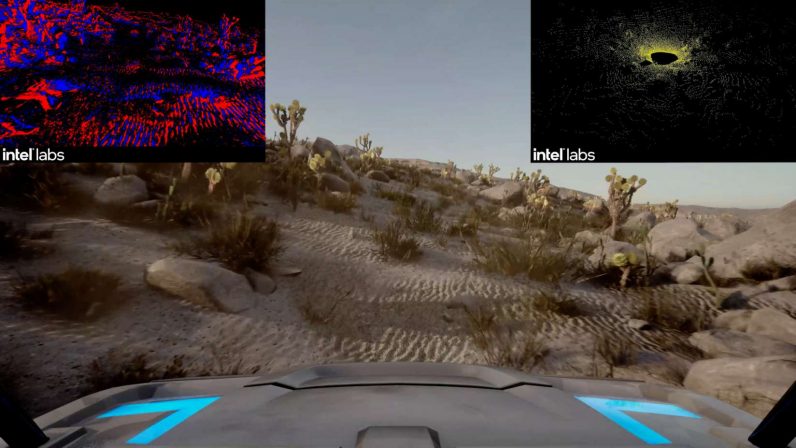
This included seven unique sensing modalities in diverse terrains.
In the future, automakers could use the data to train autonomous off-road vehicles.
Most research focuses on urban environments.
40% off TNW Conference!
What are the practical use cases for an autonomous all-terrain vehicles?
Carnegie Mellon researchers arent the only people focused on accelerating vehicle automation in all-terrain vehicles.
Currently, DARPA is focusing on off-road simulation to accelerate vehicle testing further.
DARPAhas invested in autonomous vehicle development in military applications for a long time.
But its also easy to see a role for an autonomous ATV inagriculturalor industrial labor roles.
Will R&D lead to a commercial rollout?
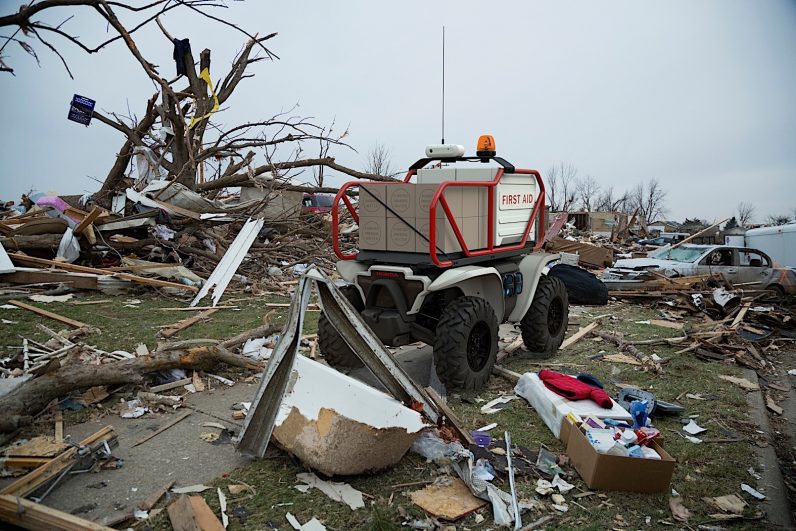
At CES 2019, Honda unveiledthe 3E-D18, anautonomousoff-road workhorse.
It comes with a customizable rail system instead of a seat or handlebars.
Largeairless tires help the vehicle traverse obstacles.
In some respects, its surprising that off-road autonomous ATVs havent yet evolved further.
After all, theres no need to follow road rules or speed limits.
But developing training data is hard.
It involves not only collecting data, but developing the learning models required.
Theres a long way to go from research to commercial viability.
But as the technology evolves, so do the potential use cases, especially in industrial and agricultural prefs.
Story byCate Lawrence
Cate Lawrence is an Australian tech journo living in Berlin.
