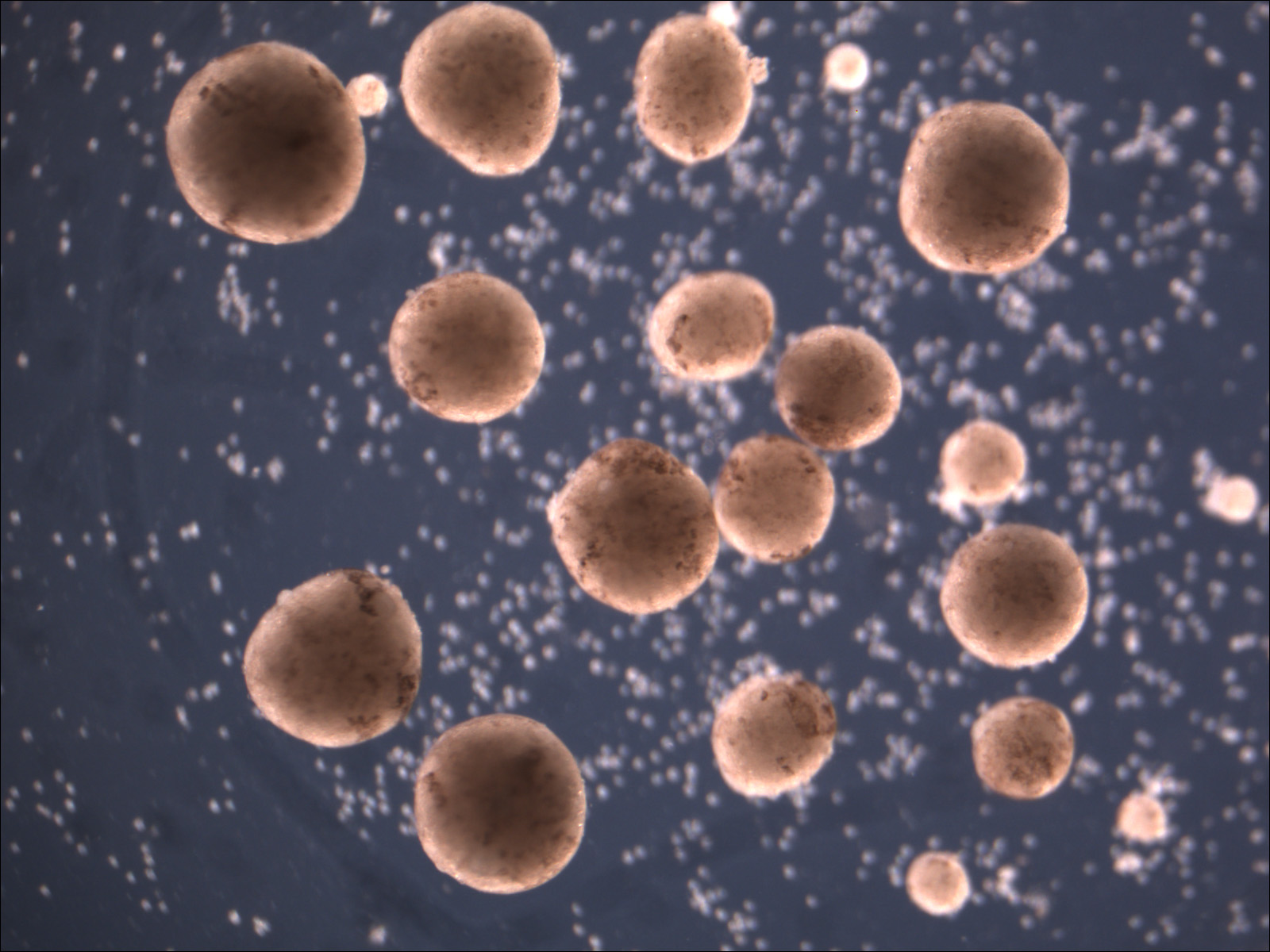
The study authors discovered thatthe machines can gather hundreds of single cells and assemble them into baby Xenobots.
After a few days, the offspring evolve to look and move just like their parents.
The progeny can then repeat the process over and over again.
It’s free, every week, in your inbox.
But this is something thats never been observed before.
The millimeter-wide Xenobots are assembled from living cells scraped from frog embryos.

Confined to Petri dishes, their lives are very different from those of their amphibious ancestors.
But were putting them into a novel context.
Were giving them a chance to reimagine their multicellularity.
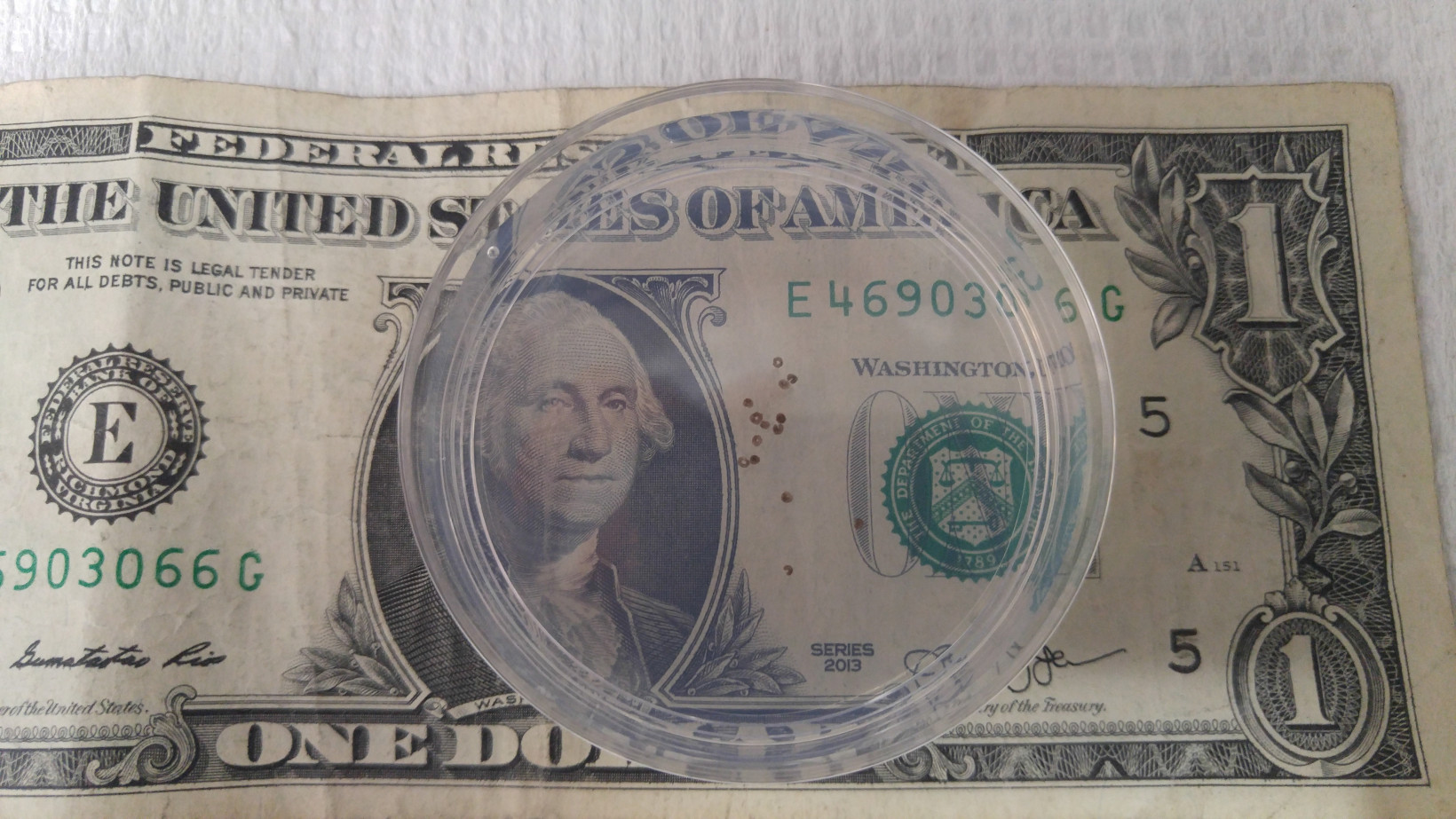
Independently, a Xenobot can produce children, but the system normally dies soon after.
To give the parents a chance to see their kids grow up, the researchers turned toAI.
The team used an evolutionaryalgorithmto test billions of potential body shapes in simulation.
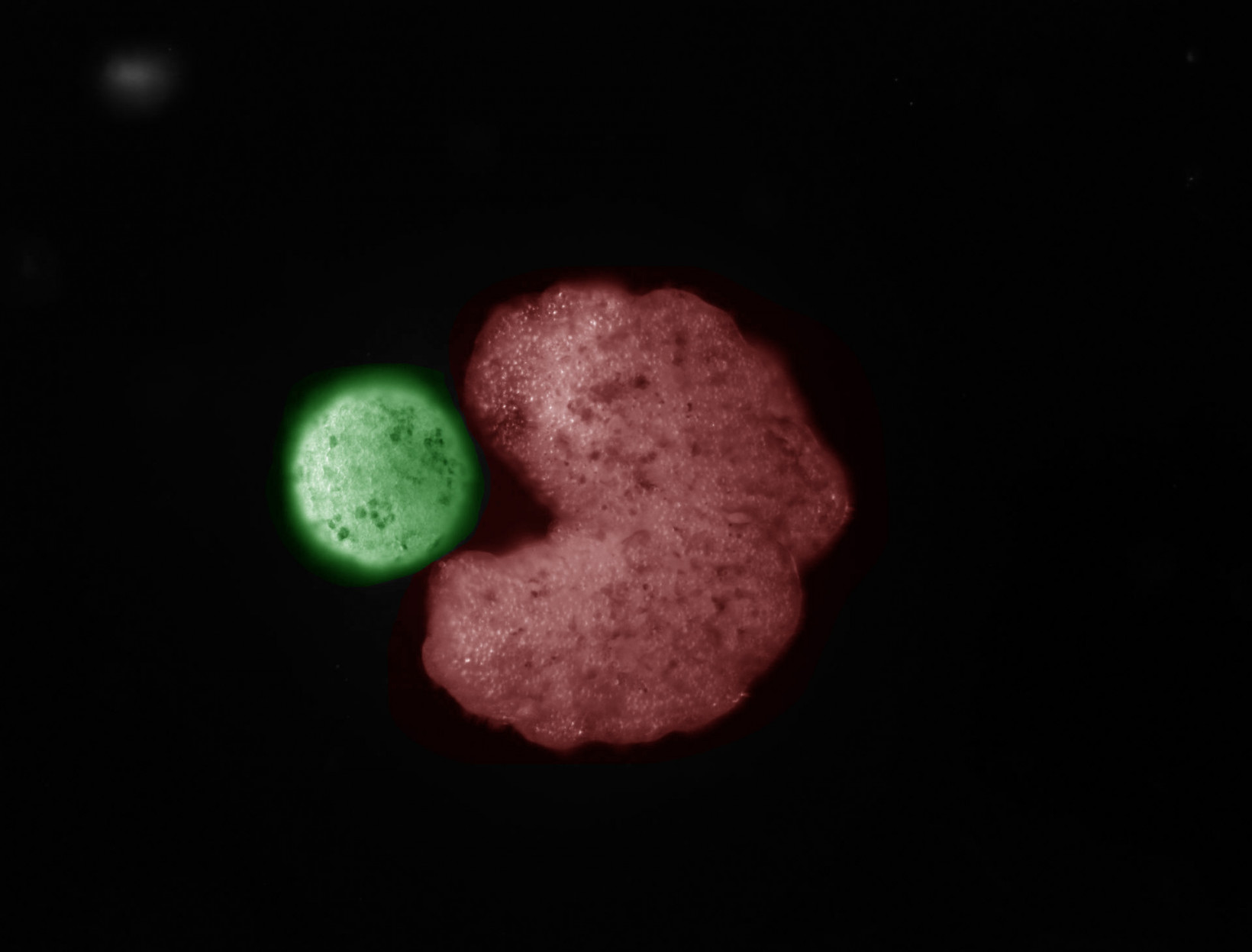
The system was designed to find forms that would be effective for the self-replication method.
One of its eye-catching creations resembled Pac-Man.
Its very non-intuitive, said Sam Kriegman, the lead author of the new study.
It looks very simple, but its not something a human engineer would come up with.
Why one tiny mouth?
The researchers then built a Xenobot in this shape and tested its child-rearing skills.
They discovered that the AI-designed parent could use itsPac-Man-shaped mouth to compressstem cells into a circular offspring.
Their children then built grandchildren, who built great-grandchildren, who built great-great-grandchildren.
A Xenobot dynasty was taking shape.
That may evoke terrifying visions of self-replicatingrobotswarms, but the researchers envision more optimistic outcomes.
They believe their system could advance numerous technologies, from livingmachines that clean up microplastics to new medications.
Xenobots are a new platform for teaching us.
Ultimately, these lessons will determine the legacy of the Xenobots.
Story byThomas Macaulay
Thomas is the managing editor of TNW.
He leads our coverage of European tech and oversees our talented team of writers.
Away from work, he e(show all)Thomas is the managing editor of TNW.
He leads our coverage of European tech and oversees our talented team of writers.
Away from work, he enjoys playing chess (badly) and the guitar (even worse).
