Whats necrobotics?
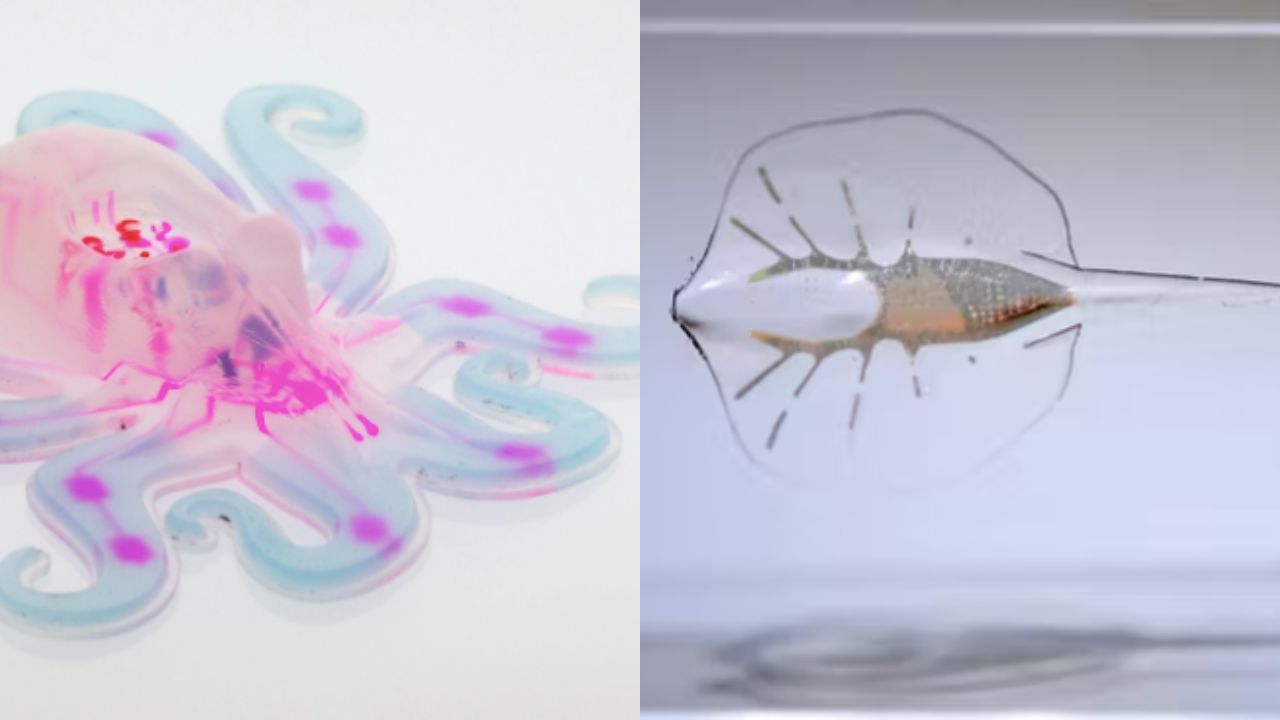
The use of animal characteristics or components to create robotic systems isnt a novelty in research.
40% off TNW Conference!
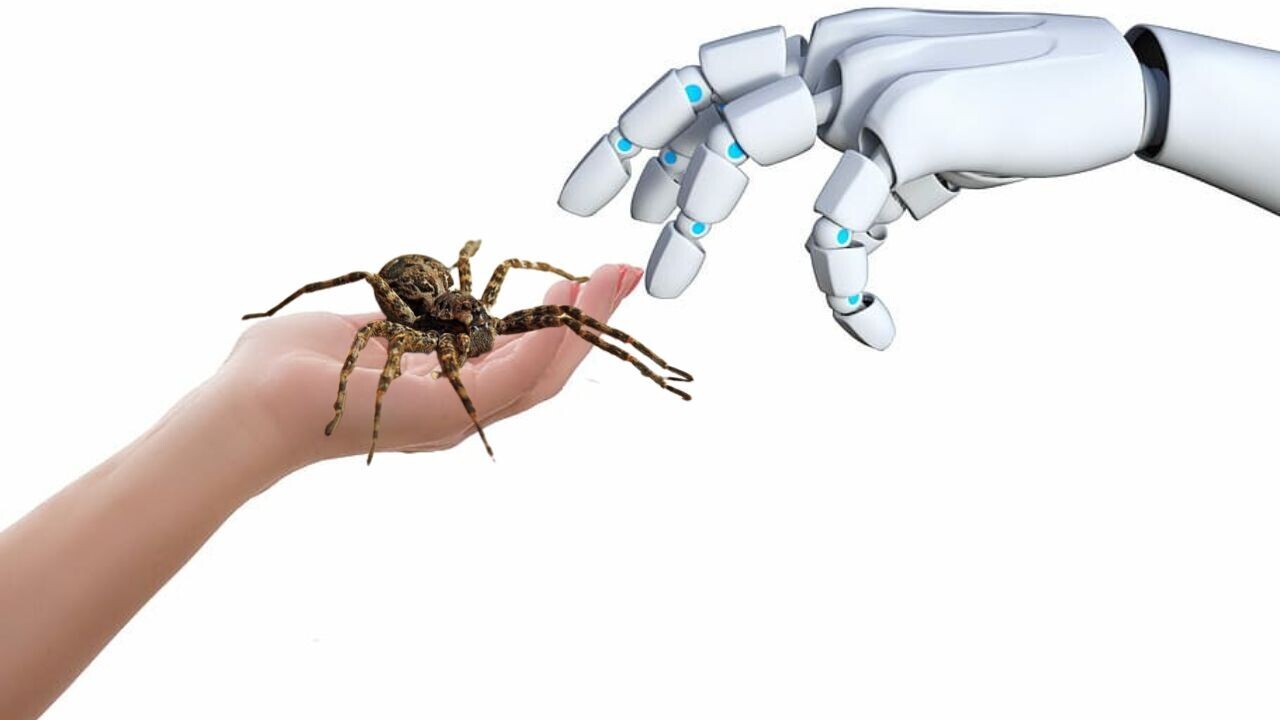
Its now using biotic materials as robotic components, initiating the area of necrobotics.
Why spiders?
The spider falls into this line of inquiry, he says.
Its something that hasnt been used before but has a lot of potential.
As he noted, a deceased spiders body is the perfect architecture for small scale, naturally derived grippers.
Unlike people and other mammals that move their limbs by synchronizing opposing muscles, spiders use hydraulics.
Internal valves in the spiders hydraulic chamber also allow them to control each leg individually.
When they die, they lose the ability to actively pressurize their bodies.
Thats why they curl up.

The researchers found a way to leverage this mechanism.
How did the engineers turn the spiders into robots?
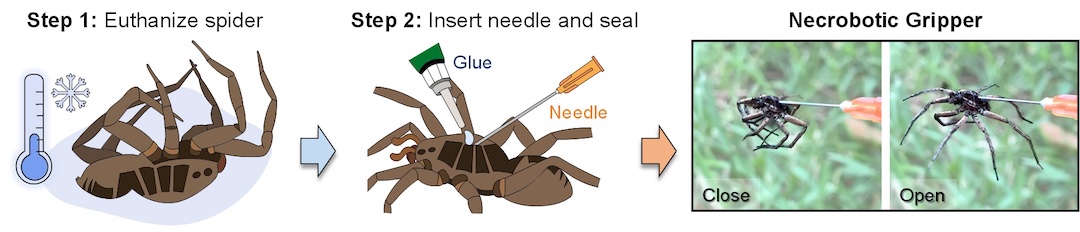
Setting up the spider gripper required a single and fairly simple fabrication step.
The scientists tapped into the spiders hydraulic chamber with a needle, attaching the gripper with superglue.
They connected the other end of the needle to one of the labs test rigs or a handheld syringe.
This delivered a small amount of air which activated the legs almost instantly.
This allowed them to control all the spiders legs at the same time.
In the video below, Preston demonstrates how the necrobot spiders work.
Mind you, itll probably creep you out if youre afraid of spiders.
They had the grippers manipulate a circuit board, move objects, and even lift another spider.
But whats to gain in real-life applications?
Another program could be using the necrobots to capture smaller insects in nature, as theyre inherently camouflaged.
The spiders themselves are biodegradable, Preston notes.
So were not introducing a big waste stream, which can be a problem with more traditional components.
Nevertheless, its awe-inspiring how the fusion of biology androboticsare transforming modern technology.
you’re able to find the full researchhere.
Story byIoanna Lykiardopoulou
Ioanna is a writer at TNW.
With a background in the humanities, she has a soft spot for social impact-enabling technologies.
