Or perhaps you saw an edgy comment suggesting headphones tuned to the Harman curve suck.
But why exactly are more manufacturers, audiophiles, and reviewers paying attention to the Harman curve?
What the heck is the Harman curve?
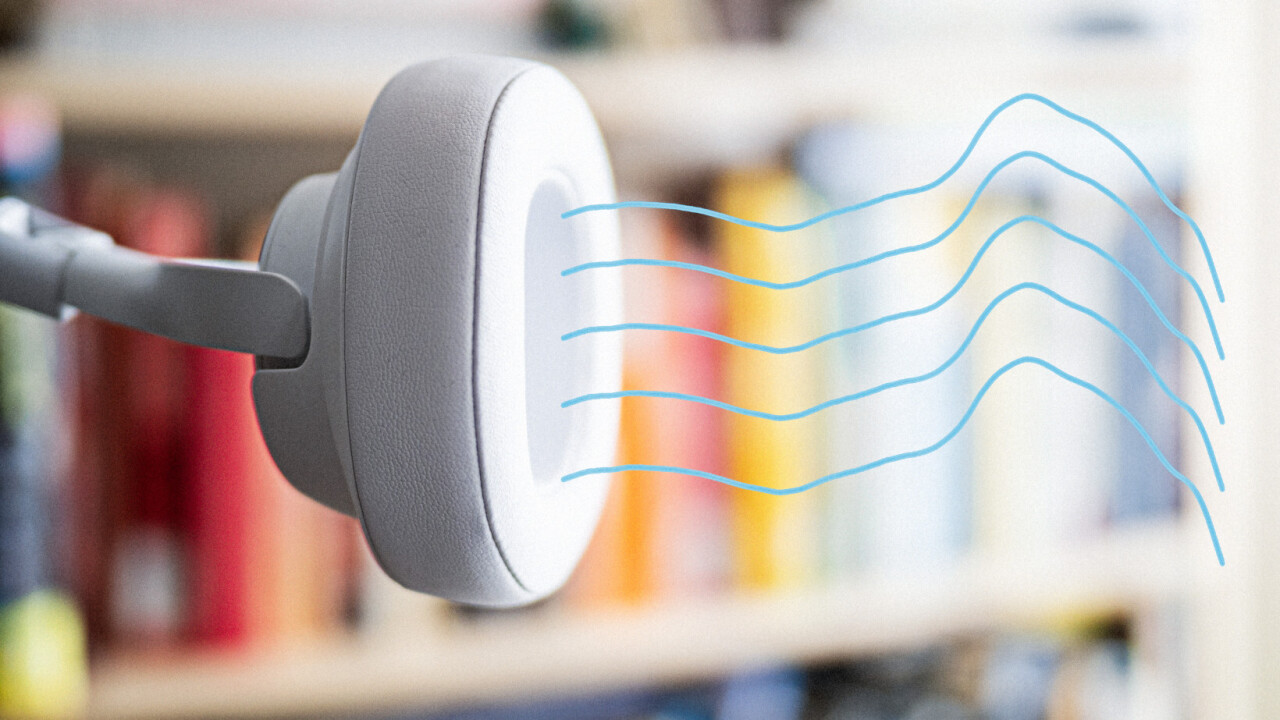
The Harman curve is a science-backed frequency response target for headphones.
It was created byDr.
40% off TNW Conference!
People simply tend to like what sounds most natural to them.
And again, the target has been tweaked slightly over the years with ongoing research.
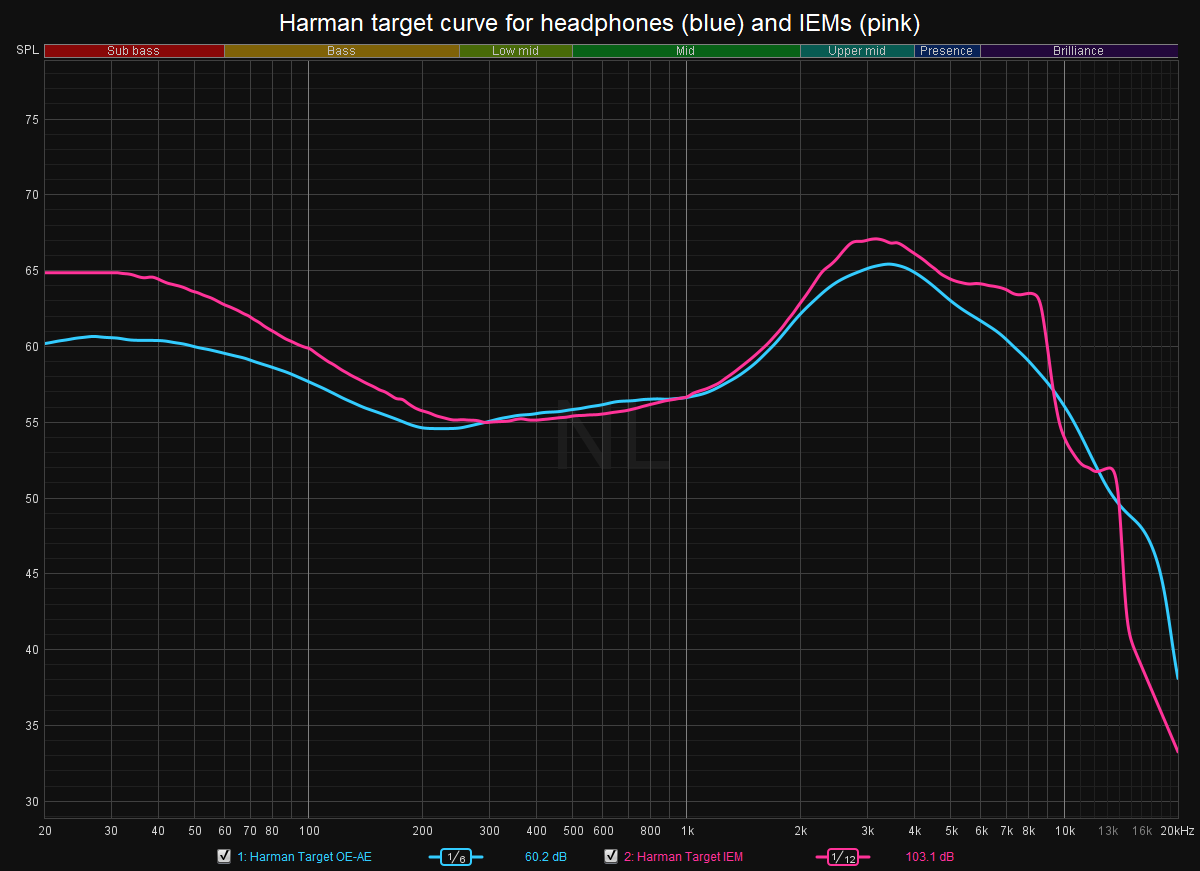
What does the Harman Curve look like?

That doesnt look flat at all!
How could that possibly sound neutral?
So why is the Harman target for headphones so far from a flat line?
The first part of the answer lies with our own bodies.
We call this modification of sound thehead-related transfer function(HRTF).
Sounds leaving your headphones have a direct line of sight to your ear canals.

Headphones with a truly flat frequency response will sound awfully dull.
But we also dont just want headphones to replicate the sound of speakers in an anechoic room.
Nobody listens to speakers in an anechoic chamber, after all (well, except for scientists).
So the second part of the Harman curve is replicating some of the characteristics of an in-room speaker response.
But we all have different tastes in music!
How can one frequency response fit all?
Heres the thing: youre probably a lot less special than you think.
For in-ear monitors, the model was even more accurate, at 91 percent.
All that being said, person-to-person variations do exist.
Some users preferred more or less bass.
Different specific recordings might benefit from slightly different headphones, due to something called thecircle of confusion.
But these variations in preference tended to be much subtler than audiophiles often claim.
So is frequency response the only thing that matters?
There are certainly other things that will affect your listening experience.
Two headphones can have similar tonal balance, for instance, while demonstrating different spatial qualities.
Pure sound quality aside, there are certainly other important qualities to consider.
Some people wont buy headphones without noise-canceling, for instance, and many listeners consider comfort to be paramount.
These quality-of-life characteristics are often just as important as sound quality.
Still, when it comes to tonal balance, frequency response is king.
So should I only buy Harman headphones?
Likewise, not all of Harmans headphones match the curve, especially some of the companies older models.
Ive heard Haman curve-tuned headphones and I didnt like them!
But if that doesnt help, thats fine too.
The Harman curve was never supposed to be the end-all-be-all for sound quality.
