Somewhere in Silicon Valley, a man wakes early with the sunrise.
Hes in themiddle of a fast, after all.
Hes taken another small step towards his goal.
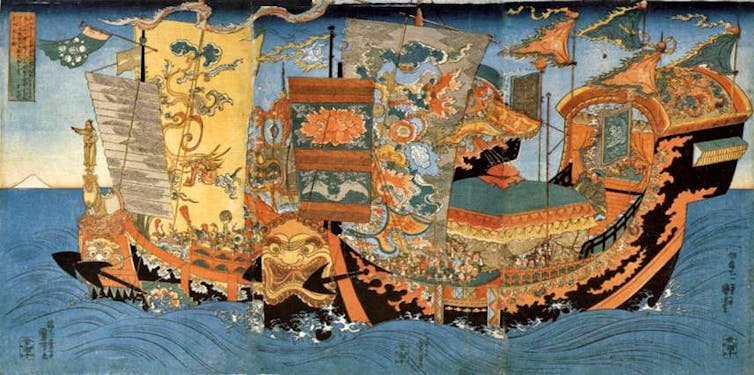
Humans have long harbored an obsession with living forever.
But all those who shared the quest for immortality have something in common they failed.
And yet the dream of eternity hasnt wavered.

40% off TNW Conference!
Nature seems set to deny our human forms from having it all.
So what will it be: humanity, or something else entirely?
A utopian fantasy
Francis Bacons symbolic narrativeNew Atlantiswas published in 1627.
The unfinished novel portrays a society where humankind has used science to wrestle control of its world from nature.
To some, this world represents a foreshadowing of the scientific utopia that we are barreling towards today.
Failed quests for immortality have a long record.
His success doesnt last.
Gilgamesh inevitably loses the flower; and eventually, like all mortals before and after him, he dies.
It encompasses a theme that still holds significant relevance in the field of anti-aging research.
There is evidence that he began ingesting potions containing the highly toxic compoundmercury sulphide.
Despite this success, research into the processes of aging remained small scale at best.

But a revolution was on the horizon.
Most notably were those based around the hormone insulin, which wasfound to regulatemany aspects of aging.
Then, in 1990, Daniel Rudman transformed the field withhis studyof the human growth hormone.
At this, entrepreneurs sat up and took notice.
Many leapt on the idea for monetary gain, determined to sell the hormone as ananti-aging therapy.
The metamorphosis of the anti-aging industry had begun.
Yet the answer to avoiding the deterioration that comes with age hasremained elusive.
Such confidence raises an inevitable question for the rest of us: can it really be done?
Biohacking the body
There are many, many coffee shops in California.
These are the entrepreneur Dave AspreysBulletproof coffeehouses, located at the very heart of the so-called biohacking movement.
AspreysBulletproof blogis littered with articles and podcasts detailing the health benefits one can supposedly achieve by employing such hacks.
It preaches that we can achieve longevity simply by changing our habits and lifestyle.
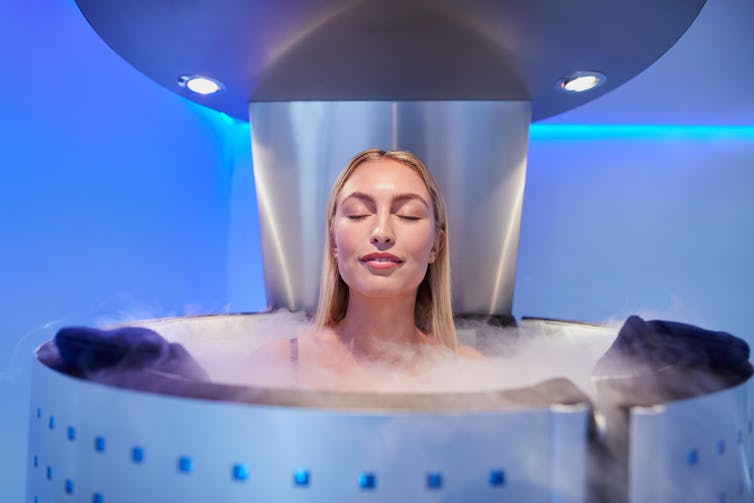
There are many, but an excellent example is the common biohack of taking cold showers.
Allegedly, soaking your body in ice cold water provides aboon to the immune system.
But you only need to scratch beneath the surface to uncover the murky water beneath.
Low temperatures can also constrict your blood vessels increasing blood pressure and increase your susceptibility to infection.
This acts as a counter to thesupposed (and unconfirmed)health boon.
Research has shown that we can extend life, but at a cost in ability to fight infection.
We can also increase longevity by knocking down immune genes or by exposing flies to a dead infection.
But, likewise, both of these treatments lead to asubstantially reducedability to fight live infections.
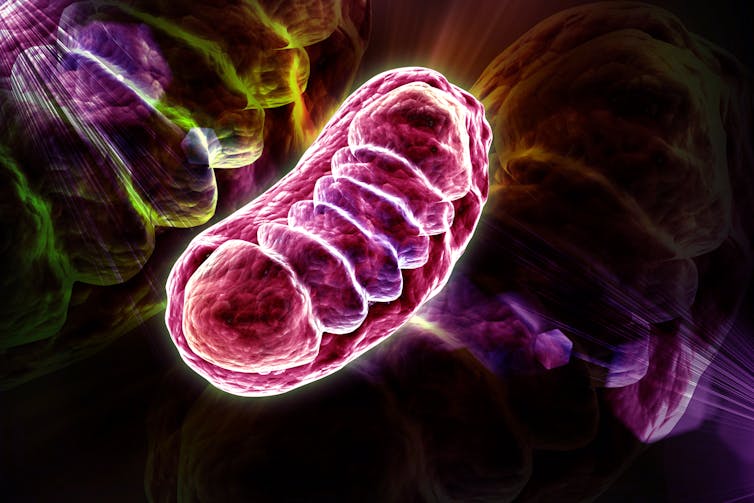
Zooming in on cellular components reveals the molecular details underlying many such trade offs.
And there are now a raft of anti-aging drugs that modulate the activity of mTOR.
Butevidence showsthat inhibiting this important molecules function not only slows aging but also suppresses the immune system.
Of course, this approach comes with considerable risk.
These experimental studies have all taken place in controlled environments with minimal exposure to germs.
The trade off between immunity and longevity is a fine example of natures way of balancing the scales.
Perhaps we shouldnt be so ready to tamper with such an integral element to the fitness of our cells.
Immortality or humanity?
There will always be a myriad of ways our mortal forms can go wrong.
Billionaire Elon Musks companyNeuralinkis already on the march to set us down this transhumanist path.
It envisages a future where humans are far more intimately connected with their electronic devices than we are today.
Essentially, wed all have encyclopedic information on hand and be able to communicate with one another telepathically.
But this may be just the start.
Neuralink and the technology it inspires could become a gateway to a post-human future.
The organic brain has forever been the vessel of our soul.
Concerns that humans have been warring over for millennia resources, wealth, mates could cease to be important.
Or at least for some.
If you were to ask the wealthy patrons of Silicon Valley, the answer would be the former.
Theyd also emphasizethe growing evidencethat defies the idea of an upper limit on how long an individual can survive.
Ongoing research, theyd argue, is already yielding fruit, and itll only be exponential progress from here.
Mans reach, it appears, continues to exceed his grasp.
