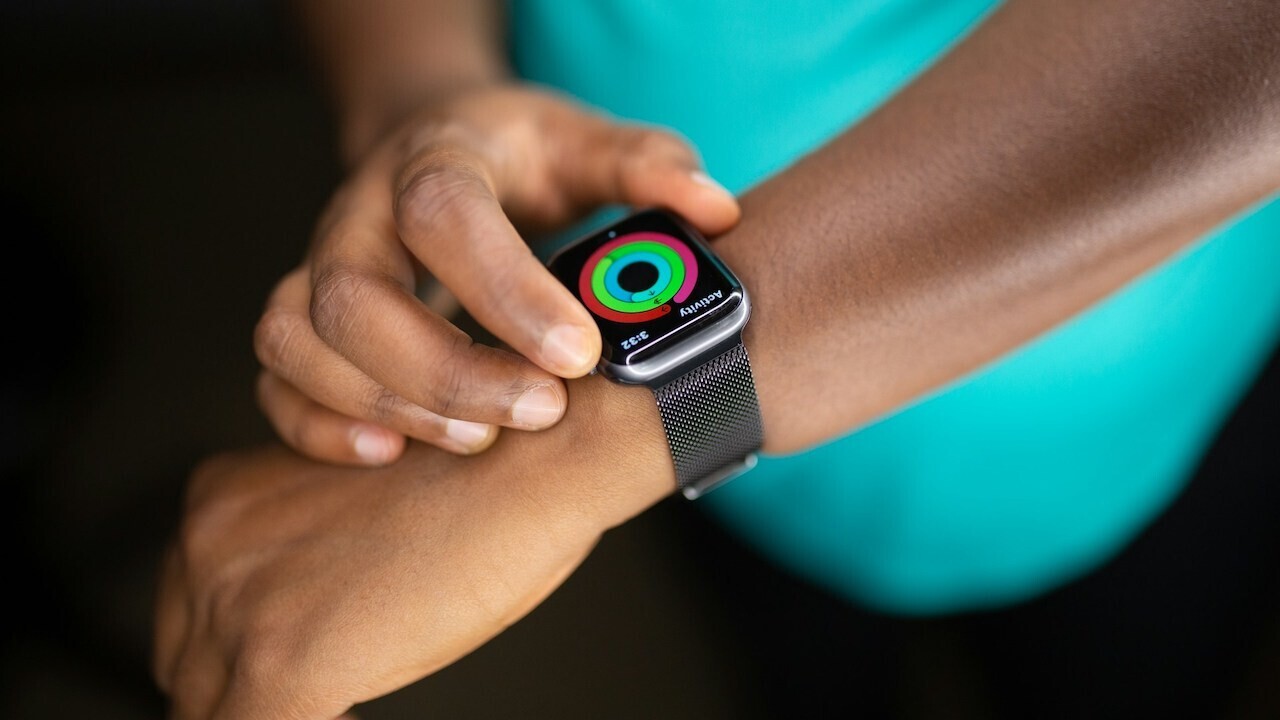
These devicesrely on electrodes, sensors that touch the skin to pick up electrical signals from the body.
Creating these electrodes isnt as easy as it might seem.
These changes can make it hard to test how well a wearable gadget works.
Additionally, testing electrodes often involveshuman volunteers, which can be tricky and unpredictable.
Everyones skin is different, meaning results arent always consistent.
Testing also takes time and money.
What is a skin phantom?
Ourbiomimetic skin phantomis made of two layers that capture the nuances of both the skins surface and deeper tissues.
Biomimetic means it imitates something from nature in this case, human skin.
The bottom layer mimics the deeper tissues under the skin.
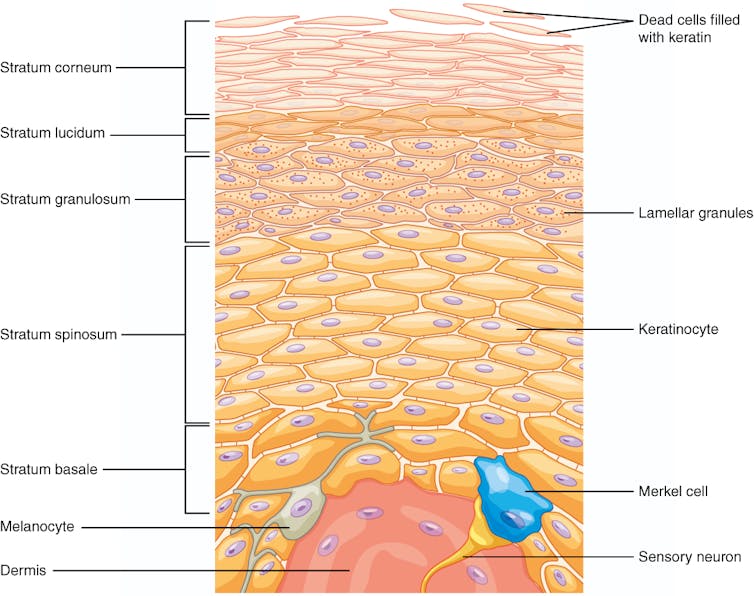
The top layer mimics the outermost part of the skin, known as the stratum corneum.
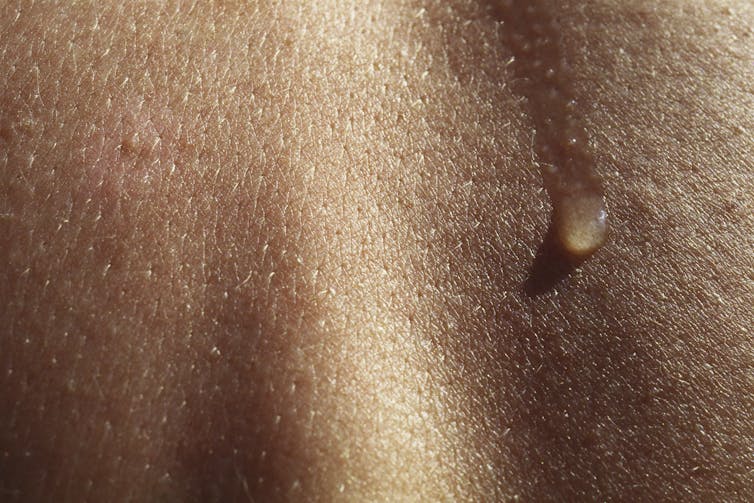
One unique feature of our skin phantom is its ability to mimic different levels ofskin hydration.

Hydration affects how well skin conducts electricity.
Dry skin has higher resistance, meaning it opposes the flow of electricity.
This makes it harder for wearable devices to pick up signals.
Hydrated skin conducts electricity more easily because water improves the movement of charged particles, leading to bettersignal quality.
Improving how dry skin is modeled and tested can lead to better electrode designs.
To replicate the effects of skin hydration, weintroduced adjustable poresinto the top PDMS layer of the skin phantom.
First, we used a method calledimpedance spectroscopyto study the phantoms electrical properties.
To do this, we recordedeletrocardiogram signalson phantoms designed to mimic dry and hydrated skin.
These findings are consistent withprevious studiesfrom other researchers.
This accuracy makes it an optimal stand-in for real skin in the lab.
By removing the unpredictability of human testing, scientists can design and improve wearable devices more quickly and effectively.
Our skin phantom is also simple and inexpensive.
Each phantomcosts less than US$3and can be made with standard lab materials and tools.
This affordability and reusability make the phantom more accessible for labs with limited budgets or resources.
