Space has become a crowded place.
Astronomersestimatethat over 10,000 active satellites were in orbit last month four times as many as just five years ago.
The surge in launches has ignited excitement about a new space race.
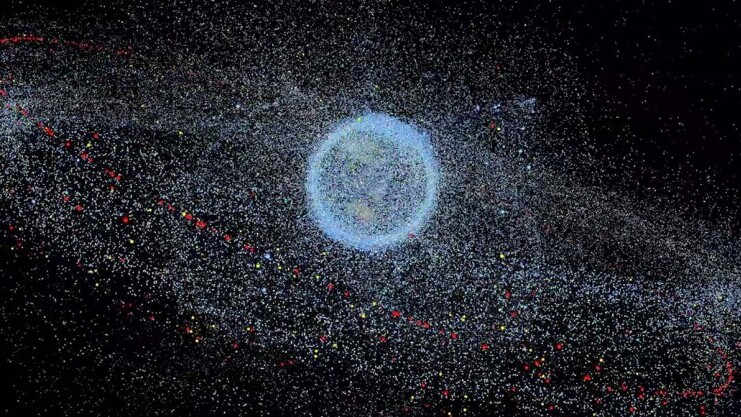
But the cosmic traffic may be heading for a catastrophic crash.
Back on Earth, the UKs Space Operations Centre is tracking the threats with growing alarm.
In July alone, the centre warned British satellite operators of 1,795 collision risks.
Across the previous six months, almost 12,000 alerts were sent.
Yet not every accident can be averted.
In 2021, a Chinese military satellite was damaged by a chunk of Russian rocket.
In March, a piece of space junk smashed througha Florida roof.
40% off TNW Conference!
Thats given spacetechstartupsa new focus: collision avoidance.
Europe has become fertile ground for their plans.
The tech targeting space collisions
Several startups have turned their attentions to space junk.
Over130million lumps of trash are currently hurtling around Earth at speeds of up to 15km per second.
If one of them hits a satellite, the impact can be devastating.
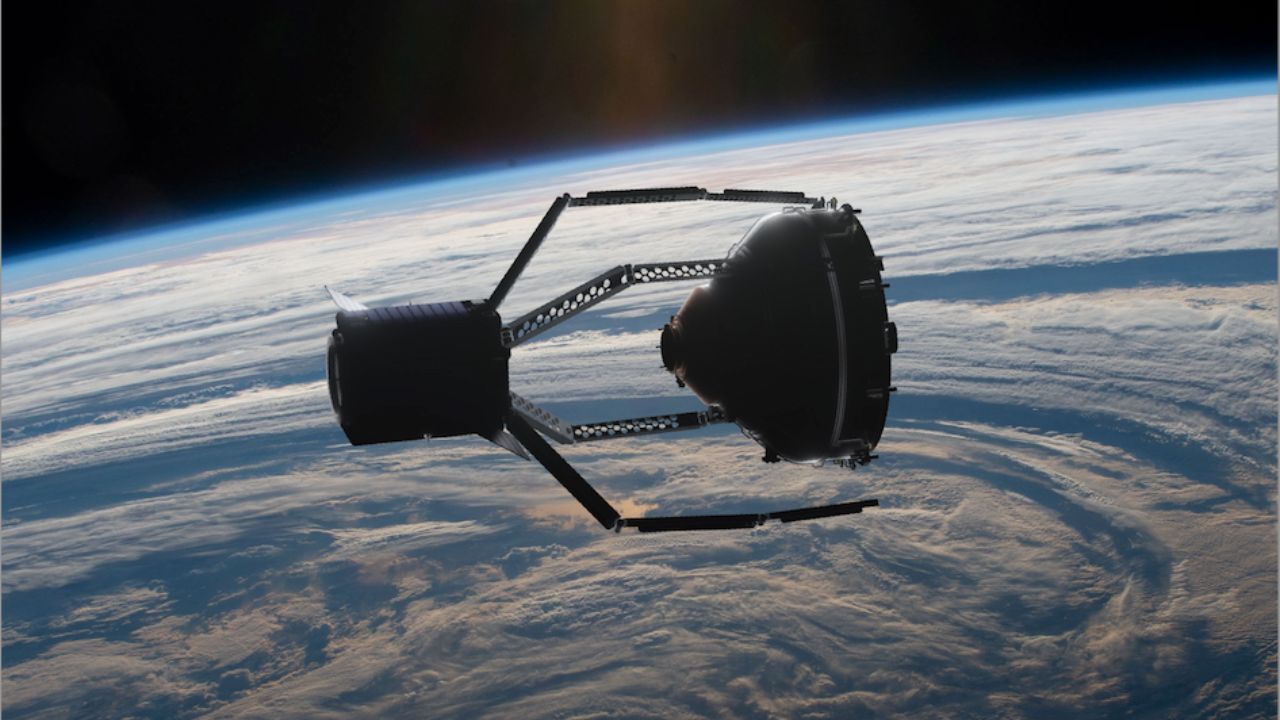
Spacetech offers an array of ways to tidy up the mess.
Swiss startup ClearSpace wants to use a litter-picking robot.
The company hassigned a contractwith French rocket giant Arianespace for the debutmission.
NorwaysSolstormhas an entirely different idea: harnessing solar wind energy to deorbit the junk.
The startup also offers collision detection.
Spanish startup IENAI has another propulsion plan.
The company harnesseselectrospray thrustersto avoid collisions and de-orbit defunct satellites.
France has also produced eye-catching solutions.
One isLook Up Space, which builds radars on Earth to track junk in the skies.
Another is Dark, which is constructinga rocket-powered boxing gloveto punch debris away.
Across the German border, MunichsVyomaconcentrates on space traffic management.
By combining a sensor web connection with real-time mapping of space, the company could reduce collision risks.
Preparing for launch
All these startups still need to prove their concepts work in practice.
Space experts hope that happens quickly.
With satellite launches showing no signs of slowing down, Lecointe expects the threat to grow.
Were likely to see that risk climb even more to perhaps 1 in 100 over the next decade.
Story byThomas Macaulay
Thomas is the managing editor of TNW.
He leads our coverage of European tech and oversees our talented team of writers.
Away from work, he e(show all)Thomas is the managing editor of TNW.
He leads our coverage of European tech and oversees our talented team of writers.
Away from work, he enjoys playing chess (badly) and the guitar (even worse).
