Finnish startup Kuva Space has unveiled plans to provide the US government with hyperspectral data.
A powerful technology with diverse applications, hyperspectral imagery analyses a wider light spectrum than traditional sensors.
As a result, it can unravel new insights about scanned objects.
Here on Earth, the techniques have discoveredartworks hiddenunder Picasso paintings and enhanced colours insmartphone photos.
Up inspace, the possibilities are almost endless.
With views across our planet, the sensors can read the spectral signatures of almost any material on Earth.
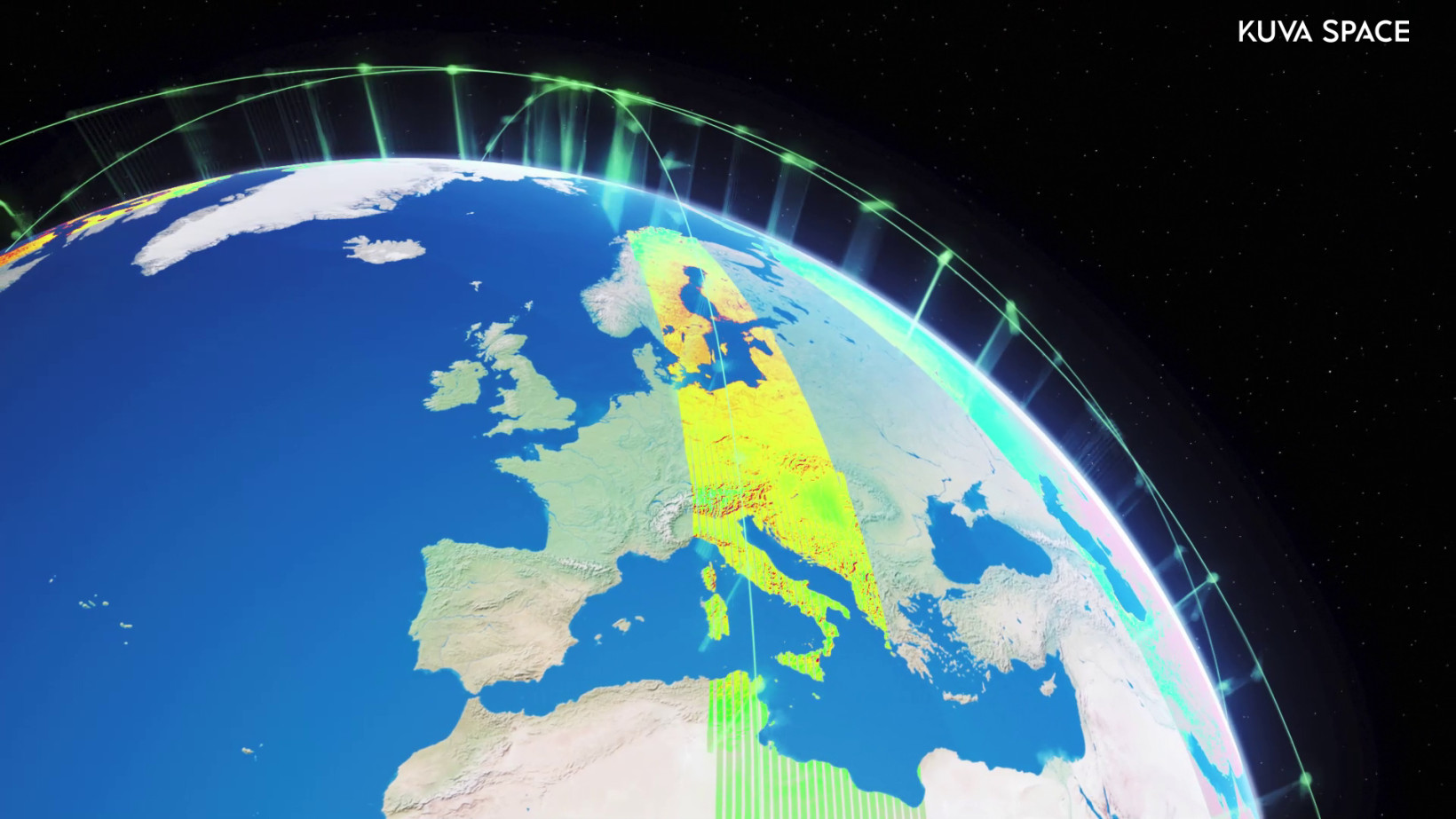
At Kuva Space, the analysis begins by launching satellites equipped with hyperspectral cameras into orbit.
From their perch in the cosmos, the sensors then analyse the chemical compositions of natural and manmade materials.
Once the objects are identified, the system assesses their conditions and any changes to them.
It can also be tuned in orbit for specific use cases.
The agricultural sector, for instance, can optimise the sensors to monitor crops.
Defence ministries can tap the data for surveillance.
Industrial sites can deploy the imagery to detect chemical leaks.
In marine ecosystems, the tech can track aquatic species, water quality, and illegal fishing vessels.
Kuva Space aims to bring these applications into the mainstream.
Opening access to space
Hyperspectral cameras and their supporting hardware are typically heavy payloads.
To send them into space, theyre normally implemented on large satellites.
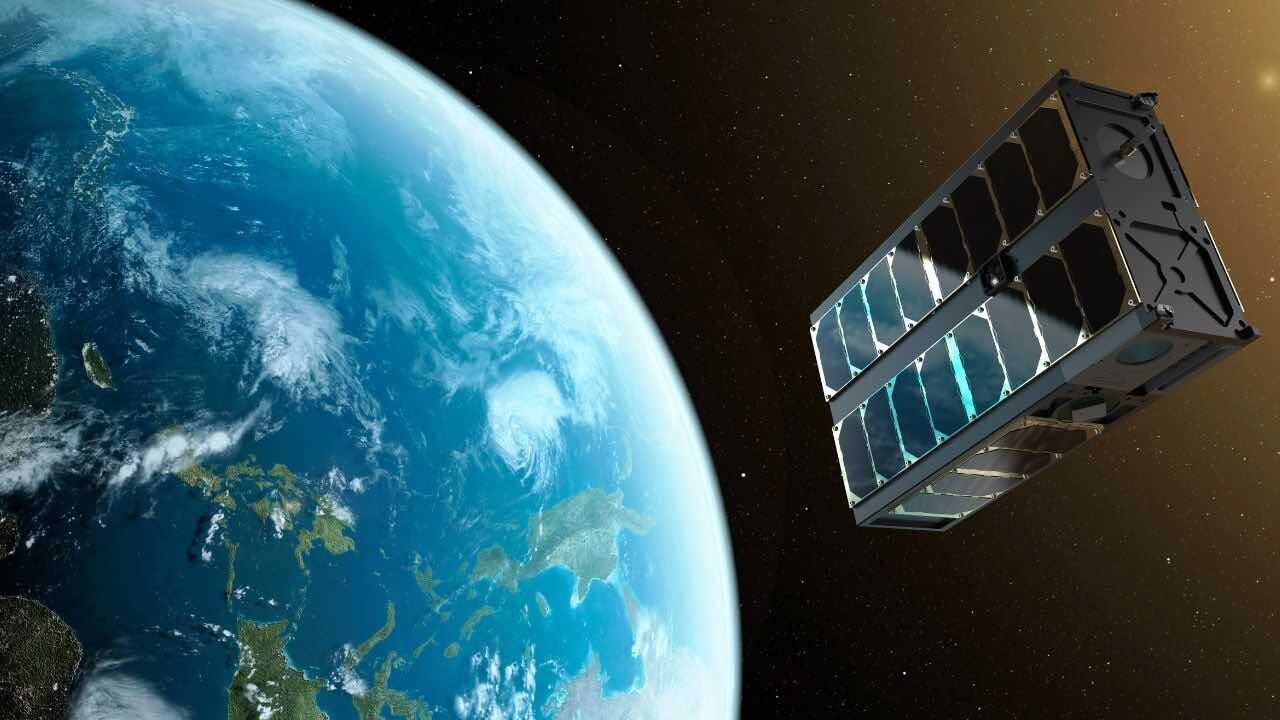
At Kuva Space, the hyperspectral satellites are slimmed down to under 30kg.
The company also boasts the first-ever hyperspectral payload on a nanosatellite.
Named HelloWorld, the system was launched in 2018.
Despite its diminutive size, Kuva Space said the payloadshyperspectral data is as accurate as large scientific instruments.
Once active, the constellation will provide insights to customers via a subscription-based model.
According to Antila, this approach is new to the Earth observation industry.
To reach it, the startuphas launched a new American subsidiary, imaginatively namedKuva Space US.
Antila believes theyre entering the country at the perfect time.
In the long term, Antila plans to integrate other types of sensors into the satellites.
Ultimately, wed like to be the Bloomberg of planetary insights.
Story byThomas Macaulay
Thomas is the managing editor of TNW.
He leads our coverage of European tech and oversees our talented team of writers.
Away from work, he e(show all)Thomas is the managing editor of TNW.
He leads our coverage of European tech and oversees our talented team of writers.
Away from work, he enjoys playing chess (badly) and the guitar (even worse).
