Predictably, the initiative sparked debate.
Some felt the technology dubbed Adaptive Speed Governance (ASG) would be impossible to roll out in practice.
Regardless, we deemed the issue worthy of deeper investigation.
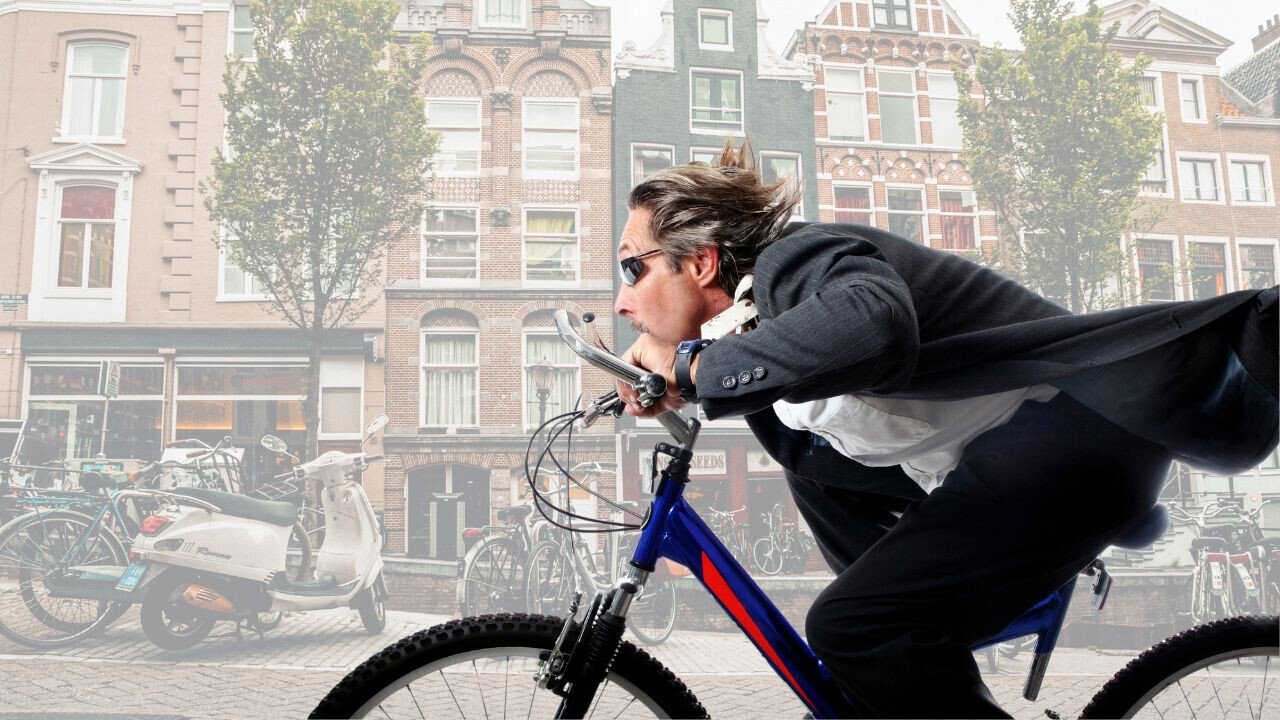
Thats why we sat down with Paul Timmer who designed the system.
But of course, thats the bit that got all the press attention.
How does ebike speed limiting work?

It’s free, every week, in your inbox.
The Institute has built a platform that integrates various layers of spatial information.
The platform is also fed real-time data on traffic and the like, collected by sensors.

A module installed on the handlebar of an ebike connects to this platform via 5G.
Unlike GPS, this cellular data pipe more accurately measures the location and speed of the bicycle.
When the module detects that you are approaching a busy zone, alerts will pop up onscreen.
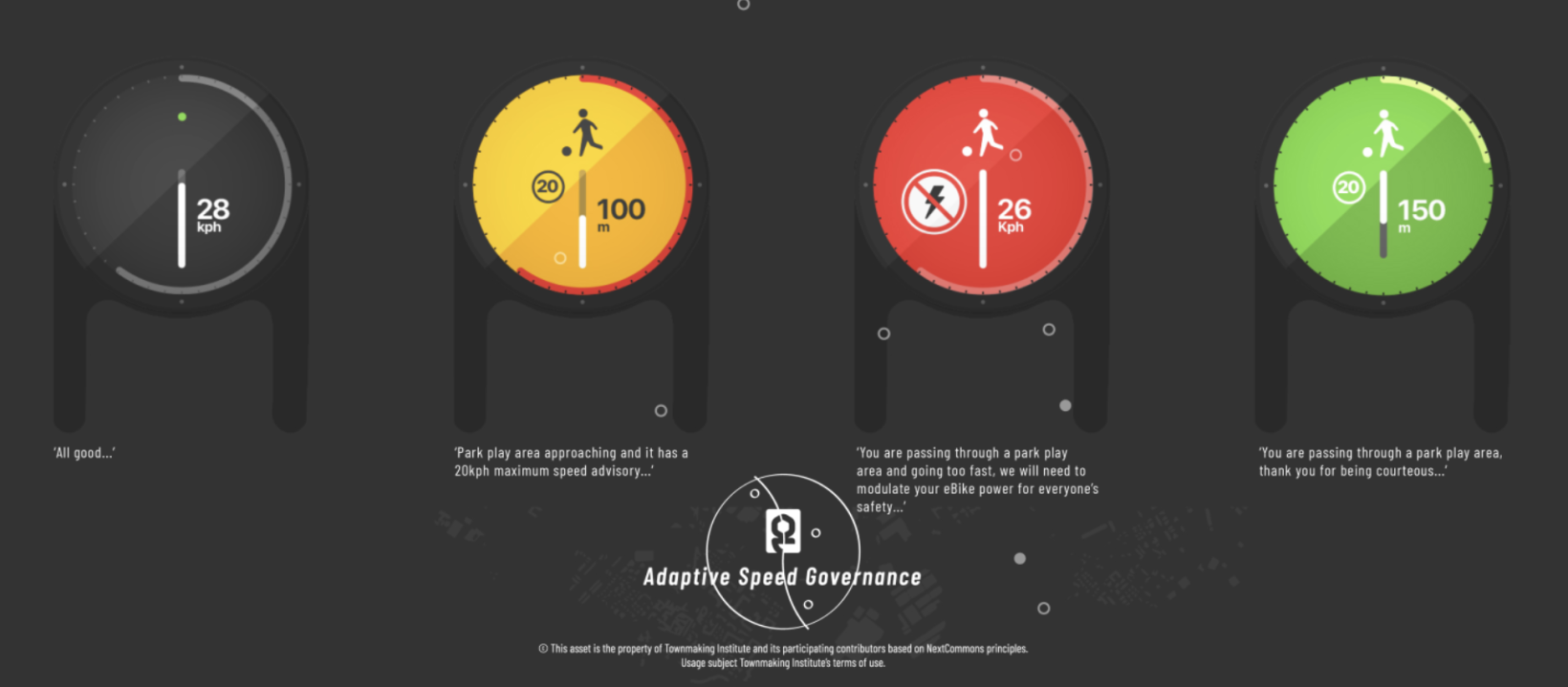
The alerts come in two forms: nudges and nannies.
Nudges are notifications that warn you of potential dangers ahead.
Nanny mode only comes into play ifthe rider doesnt slow down.

Then the module sends a signal to limit the motor, or cut it entirely.
This makes it more difficult for the rider to maintain the same speed.
Timmer says that the idea isnt to police cyclists, but to make them more aware of possible hazards.
Most people want to avoid dangerous situations where they could injure others or themselves or both.
A new menace
In the Netherlands, ebikes are limited to 25km/h.
However, many riders tamper with their bikes hardware to remove this restriction.
Others buy aftermarket throttle systems for an extra boost.
This is, of course, illegal.
They are sometimes heavy beasts that cause serious injuries in the event of an accident.
As the name suggests, fat bikes are big, heavy ebikes with thick tyres.
Popular with teenagers and young adults, many of them are driven illegally.
The Dutch police haveconfiscatedfat bikes thatcan go upwards of 80 km/h.
Fat bikes are becoming a real problem in Amsterdam, says Timmer.
Politicians are under mounting pressure to find a solution.
If this doesnt work then license plates would probably be the next step, says Timmer.
Carrot or the stick?
Technology that restricts speeds in certain locations already exists in city ebike and e-scooter rental schemes.
Its called geo-fencing and it enables a connected vehicle to adjust its movements to the ever-changing city environment.
Moving into the world of privately owned vehicles, however, may prove trickier.
Unless the government makes the technology mandatory, it will be up to individuals to make the effort.
And I cant imagine the worst culprits unruly fat biking teenagers taking the initiative.
In all likelihood, curbing ebike speeding will take a bit of carrot and a lot of stick.
Story bySion Geschwindt
Sion is a freelance science and technology reporter, specialising in climate and energy.
