But are the alternatives to plastic much better?
Lets look at one example fizzy drinks.
You might assume that plastic bottles are the least green option, but is that always the case?
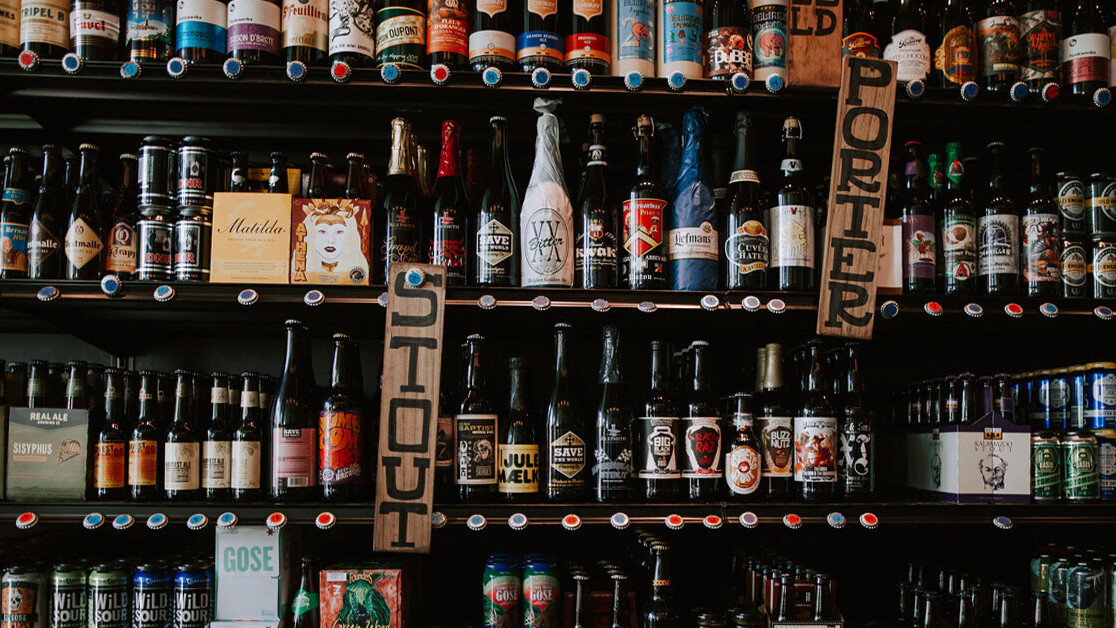
To find out, wecomparedfive different types of pressurized drinks containers.
Here they are, ranked from worst to best.
It’s free, every week, in your inbox.

High temperatures are also needed to melt these materials, a process overwhelminglypowered by fossil fuels.
During production, the glass itself releasescarbon dioxide.
A one-liter glass bottle can weigh up to 800g, while a similar plastic bottle weighs around 40g.
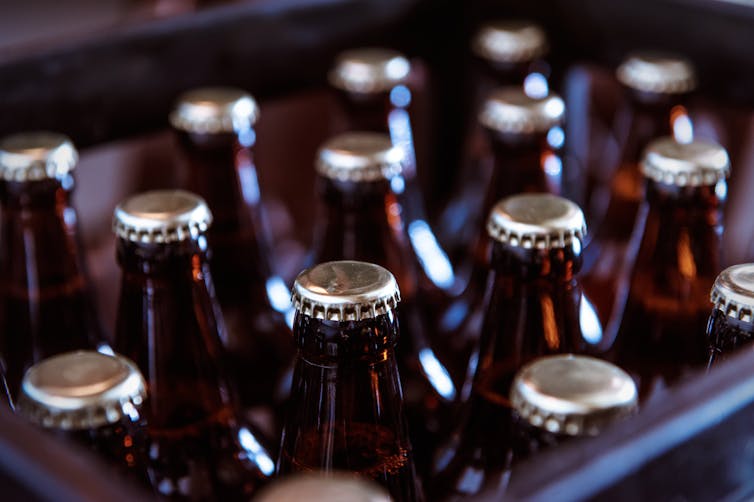
That extra weight means vehicles transporting glass bottles consume more fossil fuels to deliver the same amount of liquid.
Some energy is savedin recycling rather than extracting, processing, and transporting raw materials.
But recycling glass still uses alot of energybecause of the high temperatures needed to melt it.
In the UK, therecycling ratefor glass is 67.6%.
This would need to improve for glass bottle production to be self-sufficient by recycling alone.
Third place: plastic bottles
In third place is the plastic bottle.

Plastic has ideal qualities for containing drinks.
That gave plastic a significantly lower impact on global warming than glass in our analysis.
But the effects of plastic waste globally arewell documented.
Glass and aluminum dont break up into harmfulmicroparticlesas plastic does.
Plastic recycling requires less energy due to the lower temperatures involved in melting the raw material.
But plastic, unlike glass or aluminum, cannot be endlessly recycled.
Each time its recycled, the chains of molecules that make up plastics are shortened.
Second place: aluminum cans
In second place are aluminum cans.
Cans are lighter than glass and arent made from fossil fuels either, like plastic.
But aluminum has its own environmental impacts.
Aluminum can be constantly recycled with no change in properties.
But aluminum isnt always recycled.
The UKs recycling rate for aluminum packagingis just 52%.
This must be drastically improved to make recycling the main supply of new cans.
Even if some of these containers are better than others, all of them have an environmental impact.
The best option would be to phase out single-use packaging entirely and introduce a system of reusing containers.
Reducing waste and reusing materials, where possible, should come before recycling something.
