The initiative aims to prove that steel can be made on an industrial scale using hydrogen and clean electricity.
Using hydrogen to produce steel is still in its very early stages, an SSAB representative told TNW.
It represents only a tiny fraction of todays steel production.
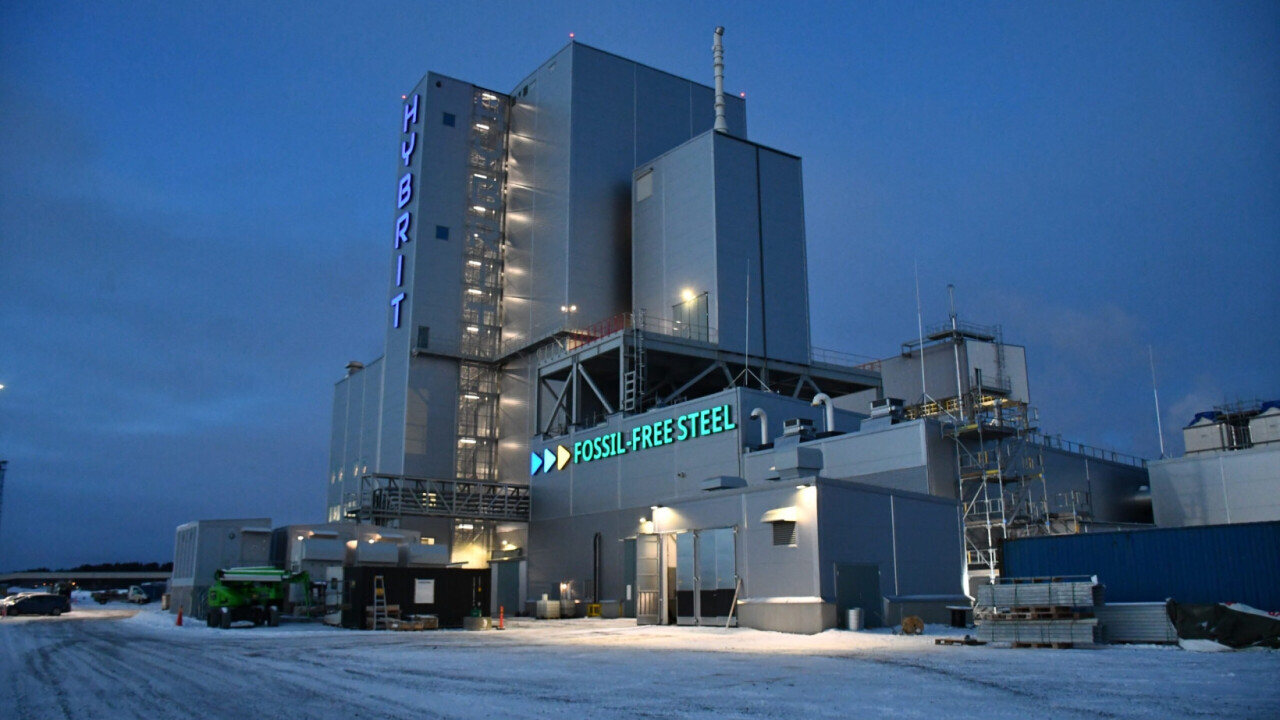
But that might be about to change.
How do you make steel using hydrogen?
Steel is one of the worldsmost usedmaterials.

And its production is responsible for 11% of global CO2 emissions.
40% off TNW Conference!
The only byproduct is water vapour.

The result is good ol fashioned steel but without the emissions.
The partners have applied for and received several patents based on the results.
HYBRITs pilot plant is the worlds first to prove the fossil-free value chain for steel on a semi-industrial scale.
The factory has already produced 5,000 tonnes of hydrogen-reduced iron.
However, significant hurdles lie ahead.
Generating sufficient quantities of green hydrogen will require constant supplies of clean energy.
Moreover, hydrogen is currently much more expensive than fossil fuels, and theprice isnt falling as fastas anticipated.
Can Europe hold on to its green steel tech?
Its simply too expensive.
Developing any completely new technology is costly, an LKAB spokesperson told TNW.
In March, the USpledgedup to $1bn for two green steel projects.
US steelmaker Cleveland-Cliffs will build one of the plants.
The other will be constructed by none other than SSAB, using the hydrogen reduction technology developed under HYBRIT.
Its not all bad news, however.
Story bySion Geschwindt
Sion is a freelance science and technology reporter, specialising in climate and energy.
