Theres a lot of talk about digital technology andsmartcities, but what about smart farms?
While thesocial and environmental consequencesof agri-food industrialization arefairly well understood, issues around digital technology are now just emerging.
Yet, technology isradically transformingfarms and farming.
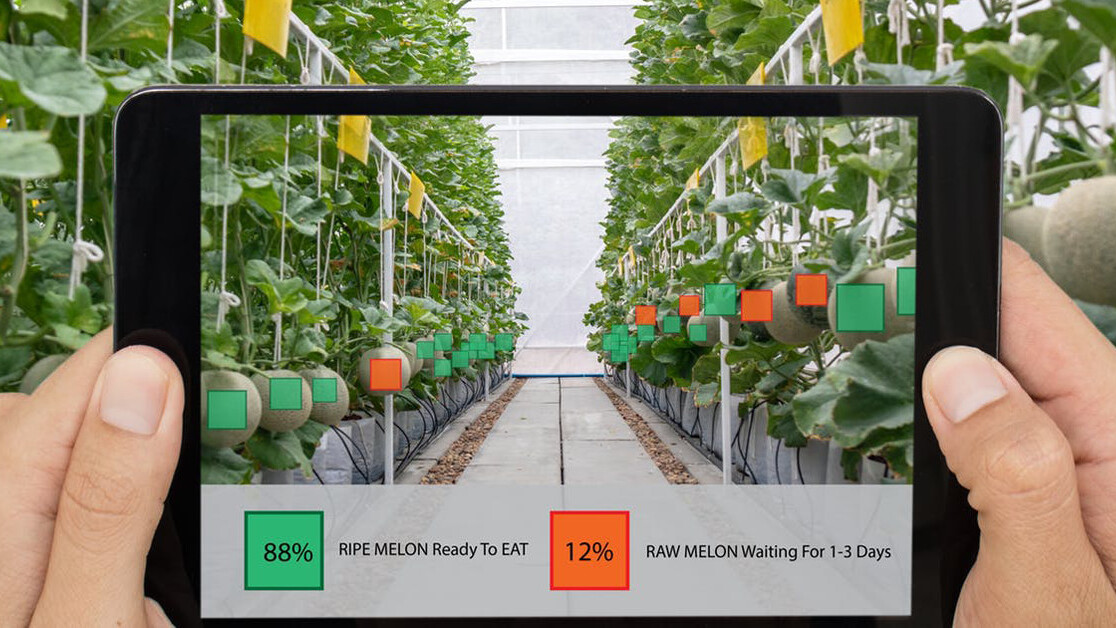
The milking apron is being replaced by the milking app.
TheCanadian governmentis investing heavily inclimate-smart and precision agricultural technologies (ag-tech).
Corporate controlof many agricultural inputs seeds, feed, fertilizers, machinery iswell documented.
Agricultural land is also increasing in cost and farms are gettingbigger and bigger.
It is likely that digital agriculture will exacerbate these trends.
Were especially interested in what farm work will look like as the digital revolution unfolds.

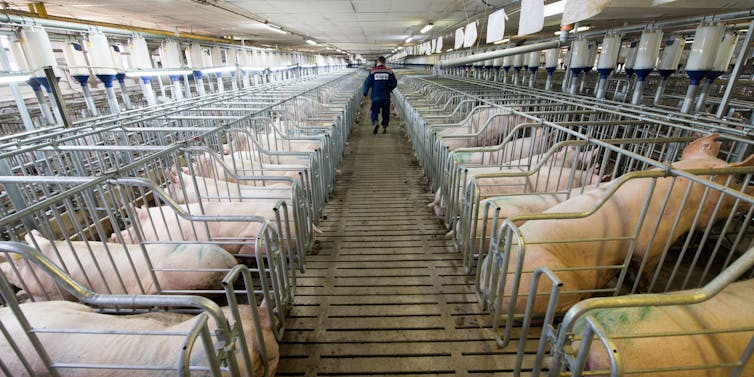
Factory farms are the norm in Canada.
First, who owns all of the data being produced in precision agriculture?
Farm owners and workers produce data that has massive potential for commercial exploitation.
However, just who gets to harvest the fruits of this digital data labor is unclear.
Should it flow to those who produce it?
Should it be something thatwe own collectively?
Unfortunately, if smart farms are anything like smart cities, then it looks likecorporate controlof data could tighten.
Second, its very likely that ag-tech will lead to an even more sharply divided labor force.
Remaining on-the-ground laborers will find themselves in working conditions that are increasingly automated, surveilled and constrained.
And, they do so underconditions of severe physical and social immobility.
There is a wealth ofresearchdocumentingthevulnerablepositionofmigrant agricultural workersfromcoasttocoastinCanada and elsewhere.
And now, increased productivity often relies on increased exploitation just ask anyoneworking in a FoxConn factory.
Meanwhile, there is evidence that automation tends tonegatively impact already marginalized workers.
The digital revolution in agriculture has a double edge.
Smart farms bring promise, but automation in agricultural production and distribution will eliminate many jobs.
There is no magic pill, but our governments do have options.
Policy and legislation can shift the path of ag-tech to better support vulnerable farm workers and populations.
Our folksy view of farming is due for an update.
TNW Conference 2019 is coming!
