My cravings for meat are well-known to regular readers (hi mum!).
But as a self-righteous vegetarian, I refuse to dine on murdered animals.
Those beliefs are now being challenged by a heretic: cultivated meat.
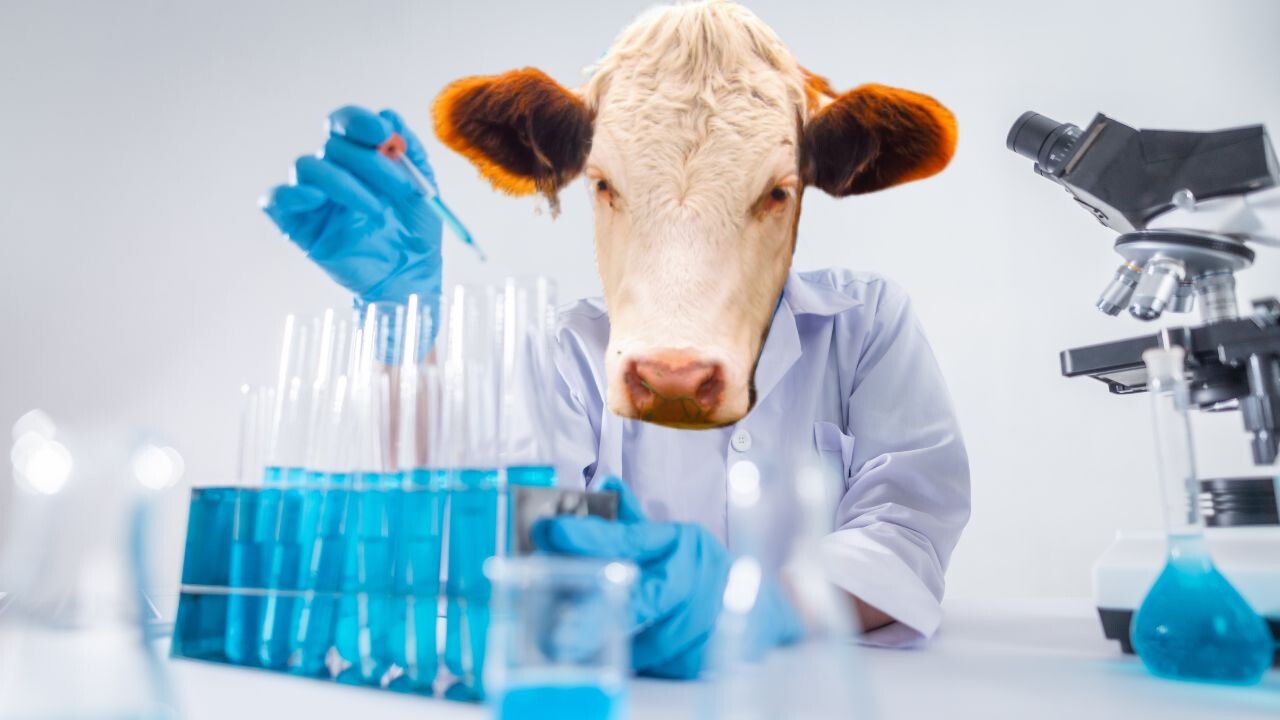
Cultivated meat, also known as cultured meat, brings the farm to the lab.
Industry advocates proffer myriad benefits and needs.
According to the UN, around 80 billion animals are slaughtered each year for meat.
Population growth will eventually make these numbers unsustainable.
40% off TNW Conference!
The nascent sector could also become big business.
Consulting firmMcKinsey predictsthe market for cultivated meat could reach $25 billion (26 billion) by 2030.
Its not like meat it is meat.
The sector has developed rapidly since the worlds first lab-grown burger wasunveiled in 2013.

The patty cost an eye-watering $330,000 to produce.
Chefs described it as edible, but not delectable.
One of the scientists behind the project was Daan Luining.
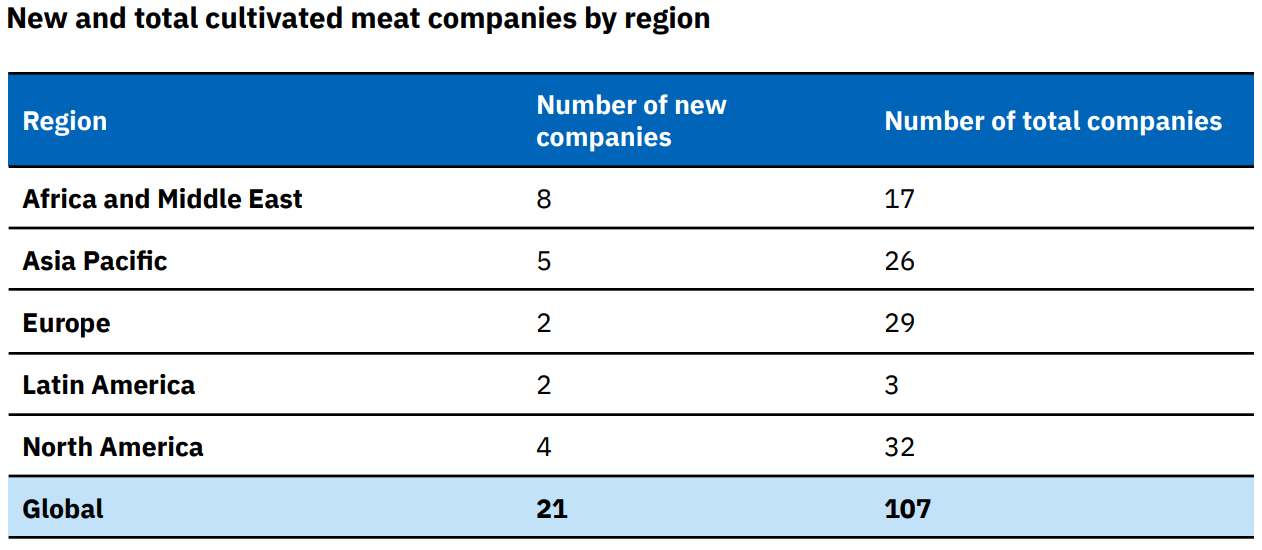
The affable Dutchman went on to found Meatable, a cultivated meatstartupbased in Delft.
The company claims its produce is identical to traditional meat.
Its not like meat itismeat, Luining tells TNW.
After the hamburger launch, Luining tried to turn his own research on cellular agriculture into a business.
His big idea emerged from a meeting with Mark Kotter, a neurosurgeon at Cambridge University.
Kotter was demonstrating a breakthrough approach to reprogramming human stem cells.
Luining suggested applying the technique to a new target: pork and bovine cells.
He quickly convinced Kotter that cultured meat could have enormous value.
The meat lab
My previous forays into fake meat were plant-based.
Ive sampled a smorgasbord of the produce, from the McDonalds McPlant burger toJuicy Marbles vegan filet mignon.
Cultivated meat takes the mimicry to another level.
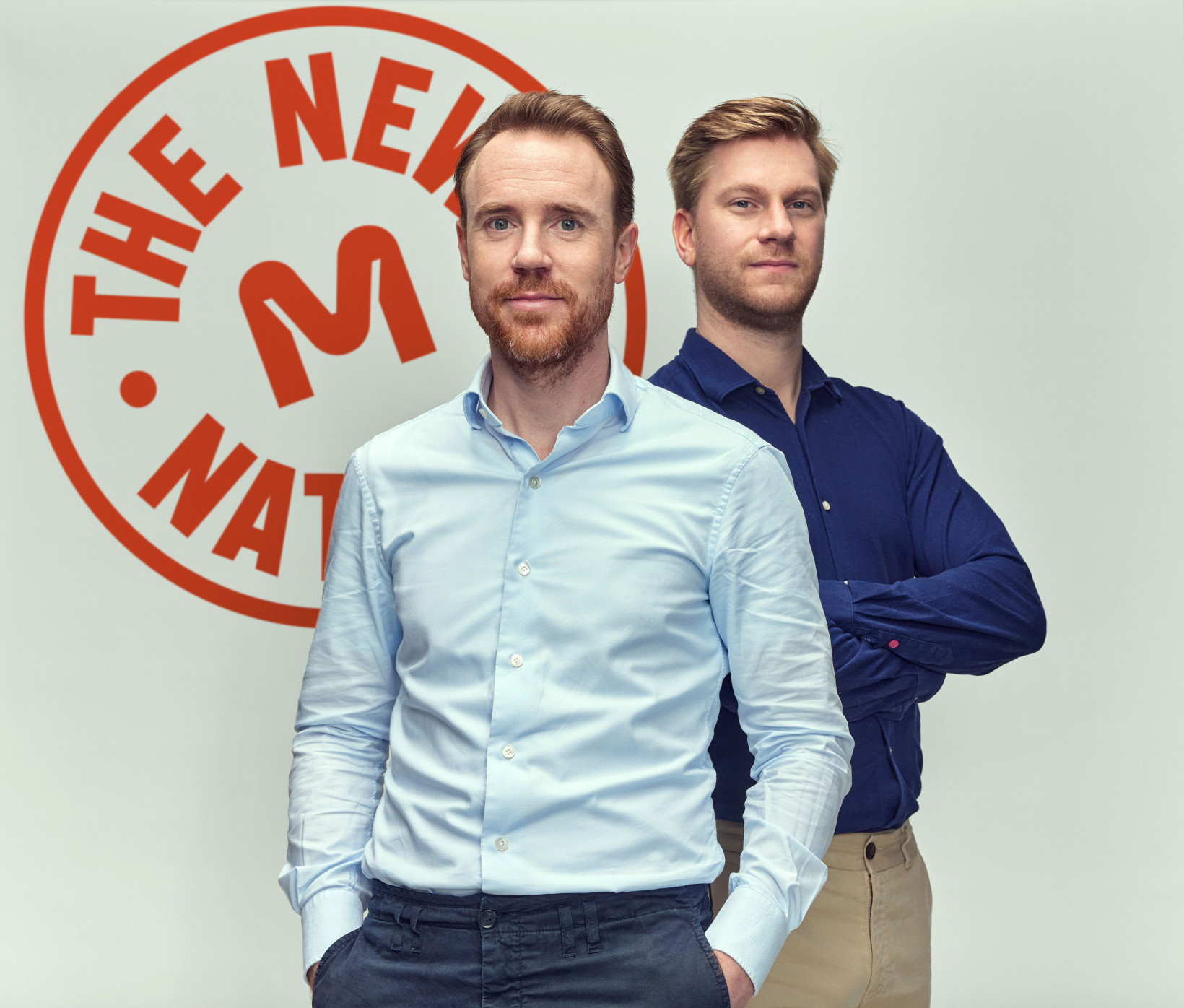
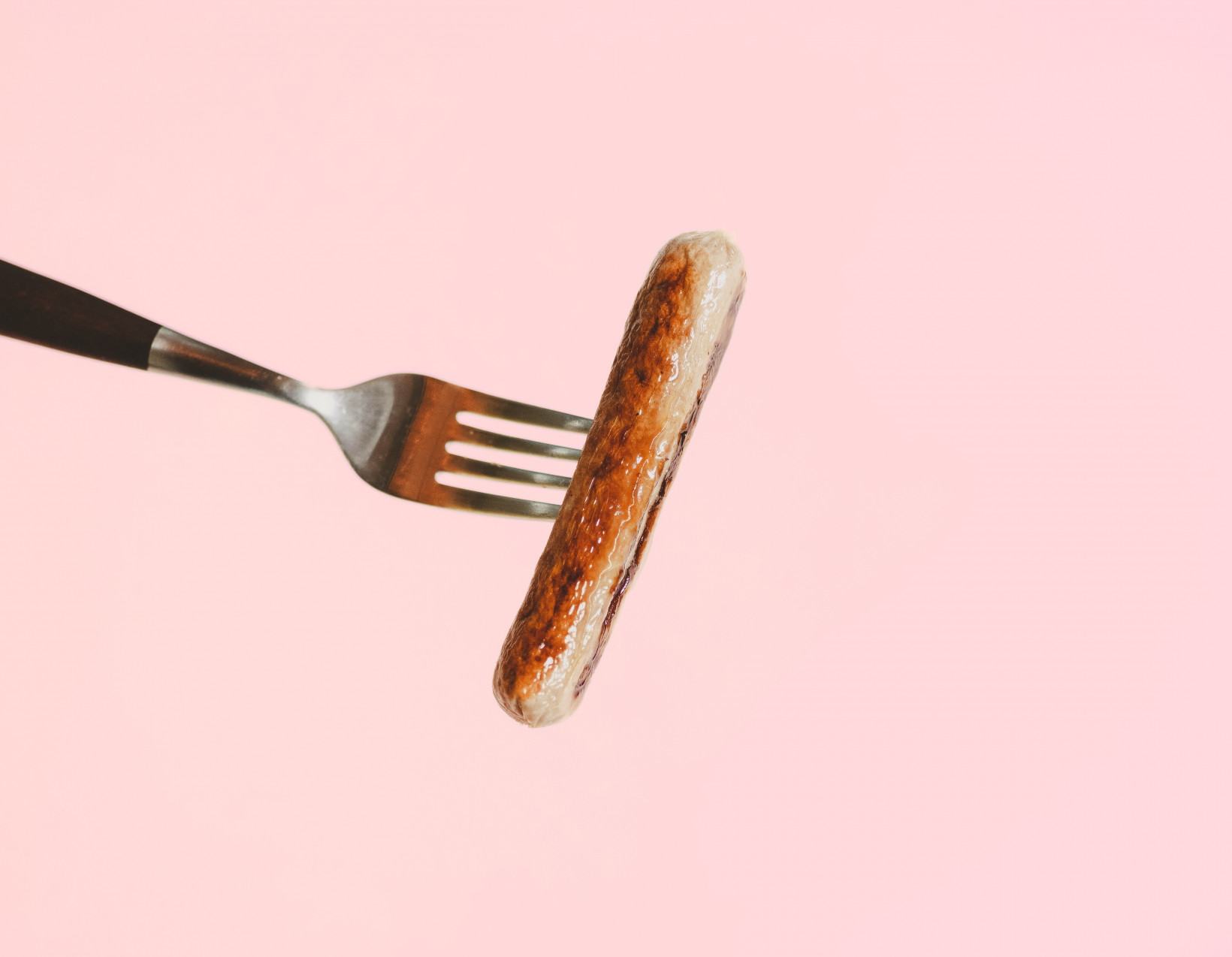
At Meatable, the process begins by extracting a single cell sample from a cow or pig.
The cell is then cultivated in a bioreactor, where its fed various nutrients.
These elements are mixed and shaped to produce the finished meat.
FBS is harvested from cattle fetuses after their mothers are slaughtered.
In addition to tainting the cruelty-free marketing of cultured meat, the substance is extremely expensive to use.
The companys proprietary OPTi-OX system then rapidly converts the pluripotent cells into the desired muscle and fat cells.
Luining compares the technique to brewing beer in a vat.
This is basically what meat consists of.
Its the cells of the animalit is actual meat.
This puts my head in a spin.
Its not vegetarian, but if its removed every drawback of conventional meat, why wouldnt I eat it?
And why cant I find it inEurope?
He wondered if similar techniques could cultivate meat.
He did, however, lay the foundations for another milestone in the Netherlands.
In 2005, Van Eelen helped convince the Dutch government to fund research into cellular agriculture.
The program prompted Mark Post, a professor at Maastricht University, to develop the first cultivated hamburger.
His achievement attracted mainstream media attention, and turned many of Van Eelens doubters into believers.
In 2013, Post formed his own biotech startup, the Netherlands-based Mosa Meat.
His work has also inspired numerous scientists, including Luining.
Meatable, however, plans to launch its products in Singapore and with good reason.
This is pioneering work.
Singapore already has cultivated meat on the market.
The city states embrace of cultured meat is rational.
Cultured meat offers the opportunity to maximize the islands scarce farming resources.
Meatable will enter the market in partnership with Esco Aster, the worlds only licensed cultivated meat manufacturer.
Meatable hopes it provides a launching pad for global expansion.
Lets see if we can get it into different jurisdictions, says Luining.
Its all about practice, because doing this is pioneering work.
In Europe, however, the path to regulatory approval is a long one.
The EU must provide approval before any cultivated meat is sold in the union.
The blocs regulatory requirements are typically clearly defined, but time-consuming to meet.
Still, there are encouraging signs from the union.
The European Commission also recently fundedlab-grown foie gras.
The Netherlands, meanwhile, is increasing domestic support.
In March, the Dutch government passed a motion to legalize public samplings of cultured meats.
Four months later, Meatablesfoundersfinally tasted their first product: pork sausages.
Funding has also increased.
In April, the Dutch government allocated 60 million for the development of cellular agriculture.
The grant was the largest ever sum of public funding for the sector.
These moves have attracted global recognition.
The country may have lost its head-start in the sector, but its starting to catch up again.
Global divides
Legislation isnt the only barrier to mainstream adoption.
Cultivated meat remains costly to produce, complicated to scale, and ethically contentious.
Scientists have also questioned the environmental benefits.
Researchpublished last yearproduced more positive conclusions.
Critics, however,called the predictions unrealistic.
The field also has powerful rivals.
The industrys farmers and lobbyists have a lot to lose from a transition to lab-grown meat.
Cultured meat must also overcome a range of consumer concerns, fromreligious objectionstoGen Z viewing the produce as disgusting.
These challenges may not prove insurmountable.
Luining is confident that Meatable will sell a cost-competitive product by 2025.
Ultimately, he envisions consumers mixing conventional, cultured, and plant-based meat.
He makes one more surreal appeal to my vegetarian diet.
Luining ends our chat with a question: would I eat his cultivated meat?
If the cow next to me has no beef with it why not?
Story byThomas Macaulay
Thomas is the managing editor of TNW.
He leads our coverage of European tech and oversees our talented team of writers.
Away from work, he e(show all)Thomas is the managing editor of TNW.
He leads our coverage of European tech and oversees our talented team of writers.
Away from work, he enjoys playing chess (badly) and the guitar (even worse).
